


Contents
show
3105 Aluminum Coil: Properties, Applications, and Buying Guide
3105 Aluminum Coil has become a go‑to choice for many manufacturers and builders who need a balance of strength, formability, and corrosion resistance—without paying the premium of high‑strength alloys.
As a non‑heat‑treatable, manganese‑modified aluminum alloy, 3105 offers a unique performance profile that suits roofing, facades, closures, HVAC, and general industrial uses.
This in‑depth guide explains what 3105 Aluminum Coil is, why it matters, how it compares with other alloys, and how to choose a reliable supplier.
It also introduces Langhe Aluminum, a specialized producer of 3105 Aluminum Coil with a strong focus on quality, processing accuracy, and long‑term customer support.
What Is 3105 Aluminum Coil?
3105 belongs to the 3xxx series aluminum alloys, which use manganese as the primary alloying element.
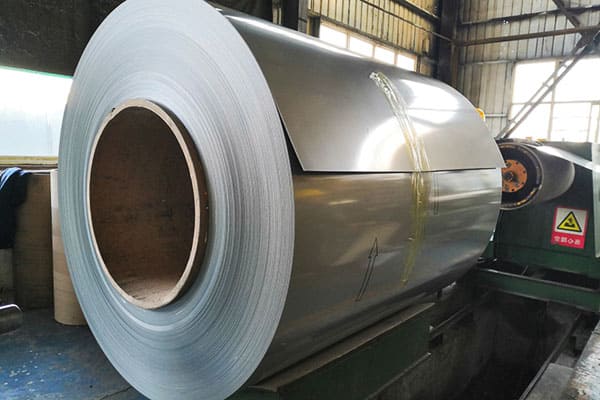
As a coil product, 3105 Aluminum Coil refers to continuous aluminum strip wound into rolls for downstream processing such as slitting, cutting, stamping, and forming.
Basic Alloy Overview
- Series: 3xxx (Al–Mn)
- Main alloying element: Manganese (~0.3–0.8%)
- Temper range: O, H12, H14, H16, H18, H22, H24, H26, etc.
- Product forms: Coil, sheet, strip
- Standards: Commonly produced per ASTM B209, EN 485, GB/T standards
In practice, 3105 Aluminum Coil offers:
- Medium strength (higher than 1100, lower than 3003)
- Excellent corrosion resistance (especially in atmospheric and mildly industrial environments)
- Good weldability and moderate machinability
- Very good formability in softer tempers
- Excellent suitability for painting and coating
Chemical Composition of 3105 Aluminum Coil
The performance of 3105 Aluminum Coil derives directly from its carefully controlled chemistry. The typical composition follows recognized international standards.
Typical Chemical Composition (Weight %)
| Element | Typical Range (%) | Function in Alloy |
|---|---|---|
| Aluminum (Al) | Balance | Base metal; light weight and corrosion resistance |
| Manganese (Mn) | 0.3 – 0.8 | Strengthens alloy via solid solution hardening |
| Magnesium (Mg) | ≤ 0.5 | Improves strength and work‑hardening rate |
| Silicon (Si) | ≤ 0.6 | Influences castability and deformation behavior |
| Iron (Fe) | ≤ 0.7 | Common impurity; controlled to maintain ductility |
| Copper (Cu) | ≤ 0.3 | Slight strength increase but may affect corrosion |
| Zinc (Zn) | ≤ 0.4 | Minor contribution to strength |
| Others (each) | ≤ 0.05 | Trace elements, carefully limited |
| Others (total) | ≤ 0.15 |
Because 3105 is a wrought alloy, producers must keep these ranges tight. Langhe Aluminum uses spectrometric analysis and batch tracking to maintain consistent chemistry across coils, which helps customers achieve predictable forming and coating results.
Mechanical Properties and Physical Characteristics
3105 Aluminum Coil does not rely on heat treatment. Instead, its strength comes from cold working (strain hardening). Mechanical properties vary with temper, thickness, and processing history.
Typical Mechanical Properties by Common Temper (Room Temperature)
| Property | 3105‑O (Annealed) | 3105‑H14 (Half‑hard) | 3105‑H24 (Quarter‑hard) |
|---|---|---|---|
| Tensile Strength (MPa) | 130 – 165 | 190 – 240 | 180 – 220 |
| Yield Strength (0.2% MPa) | 40 – 80 | 120 – 180 | 110 – 150 |
| Elongation (50 mm, %) | 12 – 20 | 4 – 12 | 6 – 14 |
| Brinell Hardness (HB) | ~35 – 45 | ~55 – 70 | ~50 – 65 |
Values are reference ranges; actual numbers depend on coil thickness and production route.
Key Physical Properties
- Density: ~2.73 g/cm³ (lightweight compared to steel at ~7.85 g/cm³)
- Melting range: ~630 – 655 °C
- Thermal conductivity: ~150–180 W/m·K (good heat transfer for HVAC)
- Electrical conductivity: ~40–45% IACS (suitable for some electrical applications)
- Coefficient of thermal expansion: ~23–24 µm/m·°C
These properties make 3105 Aluminum Coil an efficient material in energy‑related systems, such as heat exchangers and insulated roofing, where weight, thermal behavior, and corrosion resistance all matter.
Corrosion Resistance and Surface Performance
Atmospheric and Industrial Corrosion
3105 Aluminum Coil forms a stable oxide layer in air. Manganese in the alloy helps maintain corrosion resistance even in slightly polluted or coastal environments. In typical building climates:
- Urban atmosphere: Long service life with minimal pitting
- Rural environments: Very low corrosion rates
- Coastal areas: Good resistance, especially when painted or coated
When combined with high‑quality surface treatment—like pre‑painting, anodizing, or PVDF coating—3105 can deliver decades of service in roofing and facades.
Compatibility with Coatings
3105 is widely used as a substrate for:
- Polyester (PE) architectural coatings
- Polyvinylidene fluoride (PVDF) high‑durability coatings
- Epoxy and acrylic primers and backing coats
- Food‑grade coatings for closure stock
The alloy’s surface responds well to chemical pre‑treatment (e.g., chromate‑free conversion coatings), which improves paint adhesion and corrosion resistance. Langhe Aluminum tailors coil surface roughness and cleanliness to meet strict coating line requirements.
Workability: Forming, Welding, and Machining
Formability
3105 Aluminum Coil offers:
- Excellent formability in O and H12 tempers
Suitable for deep drawing, bending, and complex stamping. - Good formability in H14 and H24 tempers
Works for roll forming, moderate drawing, and press braking.
Common forming methods include:
- Roll forming for roofing and cladding panels
- Stamping for closures and caps
- Bending and folding for trims and flashings
- Spinning for small vessels or decorative elements
Weldability
3105 welds readily with:
- MIG and TIG processes
- Resistance spot welding
Welded joints retain reasonable strength and corrosion resistance. Proper filler selection (often 4043 or 5356 depending on joint geometry and exposure) ensures sound welds.
Machinability
Although not a dedicated machining alloy, 3105 offers:
- Adequate chip formation with standard cutting tools
- Better machinability in harder tempers (H14, H16, H18)
- Clean edges when slitting and shearing with sharp tooling and proper clearance
For high‑volume coil processing, Langhe Aluminum optimizes crown, flatness, and edge quality to reduce scrap and improve downstream efficiency.
Typical Dimensions, Tempers, and Standards
Common Coil Specifications
Industrial users often order 3105 Aluminum Coil in a range of thicknesses and widths tailored to their equipment.
| Parameter | Typical Range |
|---|---|
| Thickness | 0.20 – 3.0 mm (special orders possible) |
| Width | 200 – 1600 mm (depending on mill) |
| Coil inner diameter | 405 mm, 505 mm, 610 mm (standard sizes) |
| Coil outer diameter | Up to ~1800 mm (depends on weight) |
| Coil weight | 2 – 8 tons per coil (customizable) |
| Surface finish | Mill finish, brushed, stucco‑embossed |
Available Tempers
- O: Soft annealed; maximum ductility
- H12 / H14: Light and half‑hard; popular for roofing and painted coils
- H16 / H18: Full‑hard for higher strength and stiffness
- H22 / H24 / H26: Partially annealed; balanced formability and strength
Langhe Aluminum supplies a broad temper range and can help select the right temper based on bending radius, forming depth, and load requirements.
Applications of 3105 Aluminum Coil
3105 Aluminum Coil appears in a wide range of industries due to its balanced profile.
Building and Construction
3105 plays a major role in lightweight, durable building systems.
Roofing and Cladding
- Standing seam roofing panels
- Corrugated and trapezoidal sheets
- Soffits and eaves
- Wall cladding and facades
- Gutter and downpipe systems
Advantages:
- Low weight reduces structural loads
- Excellent corrosion resistance extends service life
- Compatibility with PVDF and polyester coatings enables vivid, durable colors
- Good formability supports complex panel profiles and joints
Architectural Accessories
- Flashings and trims
- Ridge caps and valley components
- Window and door frames (in combination with other alloys)
- Decorative fascia and capping systems
Packaging and Closures
In packaging, 3105 Aluminum Coil is used for:
- Screw caps and closures for beverages and food
- Cosmetic packaging components
- Non‑pressure containers
- Multi‑layer laminated packaging
Benefits:
- Adequate strength for forming and sealing
- Good printability and coating adhesion
- Reliable performance in contact with food‑grade coatings
HVAC and Heat Transfer Systems
3105’s thermal and corrosion characteristics help in:
- Air‑conditioning duct panels
- Heat exchanger fins and components
- Insulated cladding for HVAC pipelines
- Ventilation system components
Its lightweight nature reduces installation load, while corrosion resistance ensures long‑term performance.
General Industrial Uses
Additional uses include:
- Sign boards and display panels
- Appliance panels and housings
- Automotive interior trim components
- Electrical enclosures (non‑structural)
- Lightweight furniture elements
Many of these rely on 3105’s formability and ability to accept decorative coatings.
3105 Aluminum Coil vs Other Aluminum Alloys
Choosing the right alloy often demands direct comparison. Below is a summary of how 3105 stands against commonly used coil alloys.
Comparative Properties Table
| Alloy / Property | 3105 Aluminum Coil | 1100 Aluminum Coil | 3003 Aluminum Coil | 5052 Aluminum Coil |
|---|---|---|---|---|
| Series | 3xxx (Al–Mn) | 1xxx (pure Al) | 3xxx (Al–Mn) | 5xxx (Al–Mg) |
| Key elements | Mn, Mg | Mostly Al | Mn | Mg |
| Strength (vs 3105) | Baseline | Lower | Slightly lower | Higher |
| Corrosion resistance | Very good | Excellent, but softer | Very good | Excellent (esp. marine) |
| Formability | Very good | Excellent | Very good | Good (less ductile than 3xxx) |
| Weldability | Good | Good | Good | Very good |
| Cost (relative) | Moderate | Lower | Moderate | Higher |
| Suitability for coating | Excellent | Excellent | Excellent | Very good |
| Typical uses | Roofing, closures, HVAC | Reflectors, chemical equip. | Cookware, general sheet | Marine, pressure vessels |
How 3105 Stands Out
- More strength than 1100, with only a slight increase in cost
- Slightly stronger than 3003 in many tempers, making it favorable for applications that need just a bit more load capacity
- Lower cost and easier forming than 5052, while still delivering good corrosion resistance
In practice, 3105 Aluminum Coil often serves as a “middle ground” alloy for architectural and packaging customers who want a balanced mix of properties without moving to high‑cost, high‑strength alloys.
Advantages of 3105 Aluminum Coil for End Users
1. Balanced Performance
3105 offers a smart trade‑off:
- Enough strength for structural but non‑critical components
- High corrosion resistance for outdoor exposure
- Good formability for complex shapes and profiles
This balance helps designers avoid over‑specification and excessive material cost.
2. Excellent Coating Compatibility
Coil coaters and finishers appreciate 3105’s:
- Uniform surface quality
- Stable mechanical behavior during tension leveling and coil coating
- Strong adhesion with modern chromate‑free pretreatments
For branded products or colored roofing, 3105 Aluminum Coil delivers consistent appearance and performance.
3. Lightweight Construction
Using 3105 instead of steel can reduce component weight by more than half. This reduction leads to:
- Lower transportation and installation costs
- Reduced structural load in building designs
- Easier handling on site or in the factory
4. Long Service Life
When combined with proper design and coating systems, 3105 components often last 20–40 years in building applications, and even longer in less aggressive environments.
5. Cost‑Effectiveness
Because 3105 is widely available and uses common alloying elements, it remains cost‑competitive. For many applications, it hits the “sweet spot” between performance and price.
Considerations and Limitations
No material fits every scenario. When specifying 3105 Aluminum Coil, consider:
Strength Limits
3105 does not match the strength of high‑magnesium 5xxx alloys or heat‑treated 6xxx alloys. Avoid using it for:
- High‑pressure vessels
- Heavy structural beams
- High‑stress automotive chassis elements
Temperature Constraints
While 3105 works well in typical building and industrial temperatures, prolonged exposure above ~150–200 °C can reduce strength due to recovery and recrystallization of the cold‑worked structure.
Galvanic Corrosion
When 3105 contacts dissimilar metals (e.g., copper, carbon steel) in the presence of an electrolyte, galvanic corrosion can occur. Proper design, insulation, and joint detailing mitigate this risk.
Forming Limitations in Hard Tempers
In H18 or other hard tempers, bending radii must increase to avoid cracking. If complex forming is necessary, softer tempers should be selected.
How to Select 3105 Aluminum Coil for Your Project
Choosing the right 3105 Aluminum Coil involves several steps.
1. Define Application Requirements
Consider:
- Mechanical load and stiffness
- Environmental exposure (urban, coastal, industrial)
- Required service life
- Forming methods (roll forming, stamping, deep drawing)
- Coatings or surface finish
2. Choose Appropriate Temper
- Soft forming, deep drawing: 3105‑O or H12
- Roll‑formed roofing and cladding: 3105‑H14 or H24 (common choice)
- Stiffer panels with minimal forming: 3105‑H16 or H18
Langhe Aluminum’s technical team often helps customers match temper to production line capabilities and product design.
3. Specify Thickness and Width
Thicker coils increase stiffness and load capacity, but also weight and cost. A typical roofing panel might use 0.5–0.7 mm; facade panels might use 0.7–1.2 mm depending on span and wind load.
4. Determine Surface Requirements
Options include:
- Mill finish for components that will be painted or finished downstream
- Pre‑painted coil for direct panel production
- Stucco‑embossed surface to reduce reflection and increase aesthetic appeal
5. Clarify Standards and Certification
Ask for:
- Compliance with relevant standards (ASTM, EN, GB, etc.)
- Mill certificates (chemical composition, mechanical properties)
- Coating specifications (for pre‑painted coils)
- Environmental and quality certifications (ISO 9001, ISO 14001)
Introduction to Langhe Aluminum: A Dedicated 3105 Coil Supplier
Langhe Aluminum is a specialized manufacturer and processor of flat‑rolled aluminum, with a strong focus on 3xxx series alloys such as 3105 Aluminum Coil.
Company Focus and Capabilities
Langhe Aluminum provides:
- Continuous casting and hot‑rolling facilities
- Cold‑rolling mills capable of precise gauge control
- Advanced slitting and cut‑to‑length lines
- Coil coating lines for pre‑painted 3105 Aluminum Coil
This integrated setup helps maintain tight control over quality, delivery time, and cost.
Quality Assurance
Langhe Aluminum emphasizes:
- Spectrometric analysis of each melt to control alloy composition
- On‑line thickness and flatness measurement during rolling
- Mechanical testing (tensile, hardness, elongation) by temper and batch
- Surface inspection for defects, scratches, and coating uniformity
The company operates under internationally recognized quality standards and provides mill test certificates with every coil shipment.
Product Range in 3105 Aluminum Coil
Langhe Aluminum can supply:
- Thickness: about 0.2 – 3.0 mm (special ranges on request)
- Width: up to ~1600 mm depending on line capability
- Tempers: O, H12, H14, H16, H18, H22, H24, H26
- Surface: mill finish, stucco‑embossed, pre‑painted (PE, PVDF, etc.)
- Colors: standard RAL shades plus custom colors for branding projects
Customers in roofing, facade systems, closure stock, and HVAC sectors rely on Langhe Aluminum for consistent 3105 coils tailored to their production lines.
Technical Support and Customization
Langhe Aluminum does more than supply material. The company offers:
- Alloy and temper selection guidance
- Recommendations on thickness, width, and forming radius
- Advice on coating systems and pre‑treatment chemistry
- Joint development of new profiles and shapes with OEMs
This collaborative approach helps users cut trial costs, minimize downtime, and speed up new product launches.
Processing and Handling Guidelines for 3105 Aluminum Coil
Correct handling preserves surface quality and mechanical properties.
Storage
- Keep coils in dry, ventilated areas, away from aggressive chemicals.
- Avoid direct contact with concrete floors—use pallets or coil saddles.
- Protect coils from sharp objects that could damage edges or surfaces.
- Cover pre‑painted coils to prevent dust and contamination.
Handling
- Use proper lifting equipment (coil tongs, C‑hooks, or specialized forks).
- Secure coils during transport to prevent movement and impact.
- Avoid dragging coil edges on hard surfaces.
Cutting and Slitting
- Use sharp blades and correct clearances to avoid burrs and edge cracks.
- Control tension during slitting to maintain flatness and minimize camber.
- Clean cutting area regularly to avoid surface scratches.
Langhe Aluminum often provides practical handling guidelines with shipments to help customers maintain coil quality.
Economic and Sustainability Considerations
3105 Aluminum Coil contributes to both cost management and sustainability goals.
Cost Drivers
Key cost factors include:
- Aluminum ingot price (linked to global exchange benchmarks)
- Alloying element costs (Mn, Mg, etc.)
- Rolling, finishing, and coating expenses
- Logistics (distance, coil weight, packaging)
3105’s moderate alloy content and broad availability help keep prices stable compared with more specialized grades.
Lifecycle Performance
Benefits across the product lifecycle:
- Production: Efficient rolling and coating processes reduce waste.
- Use phase: Corrosion resistance and low maintenance lower life‑cycle costs.
- End‑of‑life: Aluminum is highly recyclable, with up to 95% energy savings compared to primary production.
Recycled 3105 can re‑enter the coil production stream with appropriate sorting and remelting, supporting circular economy initiatives.
FAQs About 3105 Aluminum Coil
Is 3105 Aluminum Coil suitable for marine environments?
3105 provides good corrosion resistance, but it does not match the marine‑grade performance of 5xxx alloys such as 5083 or 5052. For lightly exposed coastal roofing, especially with high‑quality coatings, 3105 works well. For immersed or highly aggressive marine conditions, marine‑grade alloys are preferable.
Can 3105 Aluminum Coil be anodized?
Yes, 3105 can be anodized. However, compared with 5xxx alloys, the anodized finish may show slightly different color and clarity. For architectural anodizing with strict aesthetic demands, discuss specific requirements with your supplier. Many users prefer painting or coil coating for colored architectural applications.
What is the difference between 3003 and 3105 Aluminum Coil?
Both belong to the 3xxx series. 3105 generally offers slightly higher strength than 3003 due to its composition, making it advantageous where a small increase in load capacity is beneficial. Corrosion resistance and formability are similar, and both are widely used in building and packaging.
Can I weld 3105 Aluminum Coil to other aluminum alloys?
Yes, 3105 can be welded to many other aluminum alloys, particularly 1xxx and 3xxx series, and some 5xxx alloys. When welding dissimilar alloys, choose suitable filler wire and consider differences in mechanical properties and corrosion behavior.
What thickness of 3105 Aluminum Coil should I use for roofing?
Common roofing panel thicknesses range from about 0.5 to 0.7 mm for residential and light commercial projects. For larger spans or higher wind loads, thicker panels (0.7–1.0 mm) may be necessary. Structural calculations and local building codes should guide the final selection.
Does 3105 Aluminum Coil support high‑speed coil coating lines?
Yes. 3105 is widely used in the coil coating industry. With controlled flatness and mechanical properties, it runs reliably at high line speeds. Suppliers like Langhe Aluminum optimize 3105 production specifically for coil coating applications.
How does 3105 Aluminum Coil respond to bending?
In softer tempers (O, H12), 3105 bends easily with small radii. In harder tempers (H16, H18), bending radii must increase to prevent cracking. Always verify bending parameters based on temper, thickness, and tooling setup.
What standards govern 3105 Aluminum Coil?
Common standards include ASTM B209, EN 485/EN 573, and various national standards (such as GB/T). Langhe Aluminum produces and tests 3105 coils according to the applicable standard specified by each customer.
Is 3105 Aluminum Coil recyclable?
Yes. Like other aluminum products, 3105 Aluminum Coil is fully recyclable. Recycling preserves most of aluminum’s properties while using significantly less energy than primary production.
Why choose Langhe Aluminum as a supplier of 3105 Aluminum Coil?
Langhe Aluminum offers integrated production, strict quality control, a wide range of tempers and surface finishes, and strong technical support. The company focuses heavily on 3xxx series alloys, making it a reliable partner for customers who use 3105 Aluminum Coil in roofing, facades, closures, and HVAC applications.
Conclusion
3105 Aluminum Coil delivers a balanced combination of strength, formability, corrosion resistance, and cost‑effectiveness. For roofing, facades, HVAC, packaging, and general industrial uses, it often provides exactly the performance needed—without the complexity or cost of high‑strength alloys.
When you specify 3105 Aluminum Coil:
- Match temper and thickness to your forming and load requirements.
- Consider coating and surface treatments for long‑term durability.
- Work with an experienced, quality‑focused supplier.
Langhe Aluminum stands out as a dedicated producer of 3105 Aluminum Coil, combining material expertise, advanced rolling and coating facilities, and customer‑centric technical support.
By partnering with a reliable supplier and understanding 3105’s capabilities, designers and manufacturers can create durable, efficient, and aesthetically pleasing products that perform over the long term.
Related products
-
 Aluminum Coil, Products
5052 aluminum coil
Name
5052 Aluminum CoilThickness
0.1-500mmWidth
100mm – 2600mm,CustomizeSurface
Bright, polished, hair line, brush, sand blast, checkered, embossed, etching, etc.Technical
Hot rolled ( DC )、Cold rolling ( CC )、Annealed -

 Aluminum Sheet Plate, Products
6005 Aluminum Sheet
Name
6005 Aluminum SheetThickness
0.3-6.0 mmWidth
1000 mm – 2600 mm,CustomizeSurface
Bright, polished, hair line, brush, sand blast, checkered, embossed, etching, etc.Technical
Wrought alloy、Cold rolling (CC)、Heat treated (T4/T6) -
 Aluminum Sheet Plate, Products
6082 Aluminum Sheet Plate
Name
6082 Aluminum Sheet PlateThickness
0.3-200mmWidth
100mm – 2600mm,CustomizeSurface
Bright, polished, hair line, brush, sand blast, checkered, embossed, etching, etc.Technical
Hot rolled (DC)、Cold rolling (CC) -

 Aluminum Coil
3003 Aluminum Coil: The Ultimate Workhorse for Form & Function
¥3,270.00Discover why 3003 aluminum coil dominates packaging, HVAC, and architectural markets. From deep‑draw capability to corrosion resilience, learn how its unique 1–1.5% Mn chemistry delivers cost‑effective strength and versatility.
-

 Aluminum Coil
1050 Pure Aluminum Coil: Properties, Applications, and Fabrication
¥3,200.00Explore the definitive guide to 1050 pure aluminum coil. Uncover its detailed properties, technical specifications, key applications in electronics and cookware, and how it compares to alloys like 3003 and…