




Contents
show
1. Introduction
1.1 What is 8021 Aluminum Foil?
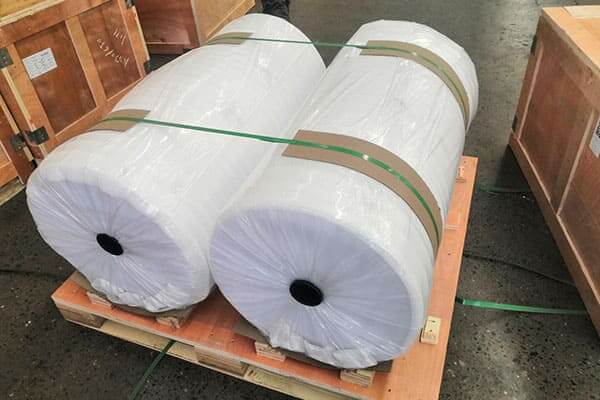
8021 aluminum foil is a high-performance aluminum alloy renowned for its exceptional barrier properties, flexibility, and strength.
Primarily composed of aluminum, iron, and silicon, this alloy is engineered to meet the stringent requirements of various industries, including pharmaceutical, food, and electronics packaging.
Its unique composition and properties make it a preferred choice for applications demanding superior protection against moisture, light, and chemical exposure.
1.2 Chemical Composition of 8021 Aluminum Foil
The chemical composition of 8021 aluminum foil significantly influences its performance characteristics.
The typical elemental composition is as follows:
| Element | Content (%) |
|---|---|
| Aluminum (Al) | 98.0 – 99.0 |
| Iron (Fe) | ≤ 1.3 |
| Silicon (Si) | ≤ 0.7 |
| Copper (Cu) | ≤ 0.05 |
| Magnesium (Mg) | ≤ 0.05 |
| Zinc (Zn) | ≤ 0.10 |
| Titanium (Ti) | ≤ 0.10 |
| Others | ≤ 0.15 |
The high aluminum content ensures excellent conductivity and corrosion resistance, while the presence of iron and silicon enhances strength and thermal stability.
2. Performance Characteristics of 8021 Aluminum Foil
2.1 Physical Properties
- Tensile Strength: Typically ranges between 90 and 130 MPa, providing robust mechanical performance.
- Elongation: Exhibits elongation percentages between 1% and 4%, indicating good ductility.
- Density: Approximately 2.71 g/cm³, contributing to its lightweight nature.
2.2 Chemical Properties
- Corrosion Resistance: The alloy’s composition offers excellent resistance to corrosion, making it suitable for packaging applications where exposure to moisture and chemicals is a concern.
- Chemical Stability: Maintains stability when in contact with various substances, ensuring the integrity of packaged products.
2.3 Processing Properties
- Formability: 8021 aluminium foil demonstrates excellent formability, allowing it to be easily shaped into various configurations without compromising its structural integrity.
- Workability: The alloy’s composition facilitates efficient processing through rolling, annealing, and slitting operations.
2.4 Thermal and Electrical Properties
- Thermal Conductivity: High thermal conductivity ensures efficient heat dissipation, beneficial in applications like battery packaging.
- Electrical Conductivity: The high aluminum content provides good electrical conductivity, making it suitable for certain electronic applications.

3. Production Process of 8021 Aluminum Foil
3.1 Raw Material Preparation
The production begins with the selection and preparation of high-purity aluminum ingots, which are alloyed with precise amounts of iron, silicon, and other elements to achieve the desired composition.
3.2 Cold Rolling and Thickness Control
The alloyed ingots undergo hot rolling to reduce thickness, followed by cold rolling to achieve the final desired thickness with tight tolerances.
Advanced rolling mills ensure uniform thickness and surface quality.
3.3 Annealing and Post-Treatment
Annealing processes are employed to relieve internal stresses and enhance ductility.
The foil is subjected to controlled heating and cooling cycles to achieve optimal mechanical properties.
3.4 Quality Inspection
Comprehensive quality control measures, including dimensional checks, surface inspections, and mechanical testing, are conducted to ensure the foil meets industry standards and customer specifications.
4. Performance Testing and Quality Control
4.1 Tensile and Fatigue Testing
Mechanical tests assess the foil’s tensile strength, elongation, and fatigue resistance, ensuring it can withstand the demands of its intended applications.
4.2 Thickness and Dimensional Accuracy
Precision instruments measure the foil’s thickness and dimensions to guarantee consistency and adherence to specified tolerances.
4.3 Hole and Surface Detection
Advanced inspection systems detect pinholes, surface defects, and other imperfections that could compromise the foil’s barrier properties.
5. Advantages of 8021 Aluminum Foil
5.1 High Conductivity
The high aluminum content ensures excellent electrical and thermal conductivity, beneficial in applications requiring efficient energy transfer.
5.2 Excellent Corrosion Resistance
8021 aluminum foil exhibits superior resistance to corrosion, making it ideal for packaging applications where protection against environmental factors is crucial.
5.3 Excellent Formability
The alloy’s ductility allows it to be easily formed into various shapes and sizes without compromising its structural integrity.
5.4 Recyclability and Sustainability
Aluminum is highly recyclable, and 8021 aluminum foil contributes to sustainability efforts by being reusable and reducing environmental impact.
6. Main Application Areas of 8021 Aluminum Foil
8021 aluminum foil stands out due to its superior barrier properties, durability, and flexibility, making it an essential material across multiple industries.
Below is a detailed exploration of its major application areas, emphasizing its role in pharmaceutical, food, cosmetic, industrial, electronic, and automotive sectors.
6.1 Pharmaceutical Packaging
Pharmaceutical packaging requires exceptional barrier properties to protect medicines from light, moisture, and oxygen.
8021 aluminium foil has become the preferred choice in this sector due to its reliability and high-performance characteristics.
Key Applications in Pharmaceuticals:
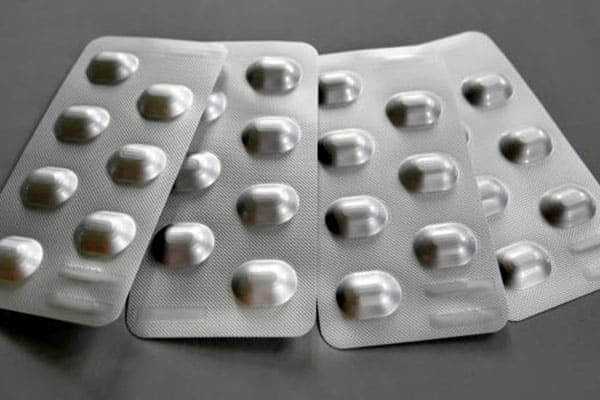
- Blister Packs:
8021 aluminum foil is commonly used in blister packs for tablets, capsules, and pills. Its ability to create an airtight seal ensures long-term protection against external contaminants.- Benefits:
- Prevents degradation caused by light or humidity.
- Prolongs the shelf life of sensitive medications.
- Ensures tamper-proof packaging.
- Benefits:
- Strip Packaging:
Strip packaging is widely used for powders, granules, and liquids in the pharmaceutical industry. The foil serves as the primary layer, maintaining sterility and freshness. - Cold-Formed Foil (Alu-Alu):
8021 foil is used in Alu-Alu packaging, where it is cold-formed to create pocket-like cavities for medications.- Advantages:
- Provides a 100% light and moisture barrier.
- Enhances product stability, even in extreme conditions.
- Advantages:
Why 8021 Aluminum Foil?
- High resistance to moisture and gases.
- Non-toxic and compliant with pharmaceutical-grade safety standards.
- Excellent compatibility with heat-sealing processes for secure closures.
6.2 Food Packaging
8021 aluminum foil is a top choice in the food packaging industry, where preserving flavor, freshness, and nutritional value is paramount.
Its ability to act as a complete barrier against external elements makes it highly effective for packaging perishable and processed foods.
Key Applications in Food Packaging:
- Flexible Packaging for Snacks and Beverages:
- Used in pouches, bags, and wrappers for snacks, coffee, and juices.
- Ensures extended freshness and prevents spoilage due to oxygen or light exposure.
- Frozen Food Packaging:
- Protects frozen meals and ingredients from freezer burn and dehydration.
- Maintains the structural integrity of the product even in sub-zero conditions.
- Aluminum Lidding Foil:
- Frequently used for yogurt cups, ready-to-eat meals, and beverage containers.
- Its robust sealing capability ensures leak-proof and tamper-evident packaging.

Advantages for Food Packaging:
- Heat Resistance: Suitable for reheating and baking applications.
- Non-Reactive Surface: Prevents chemical reactions with acidic or salty foods.
- Eco-Friendliness: Fully recyclable, supporting the food industry’s sustainability goals.
6.3 Cosmetic Packaging
In the cosmetics industry, maintaining the purity and effectiveness of products is crucial.
8021 aluminum foil provides excellent protection against air, moisture, and UV light, ensuring that cosmetic products remain fresh and uncontaminated.
Key Applications in Cosmetics:
- Tubes for Creams and Lotions:
- Serves as a protective layer in laminated cosmetic tubes.
- Prevents oxidation and contamination of sensitive formulations.
- Foil Wrapping for Beauty Products:
- Used to wrap soaps, masks, and other skincare products.
- Enhances aesthetic appeal while providing protection.
- Sample Sachets:
- Commonly used for single-use packaging of serums, creams, and oils.
- Ensures product freshness and hygiene.
Why 8021 Aluminum Foil for Cosmetics?
- Offers a luxury look with customizable finishes (e.g., matte or glossy).
- Lightweight and durable, reducing transportation costs.
- Protects volatile ingredients from degradation.
6.4 Industrial and Electronic Applications
The durability, conductivity, and lightweight properties of 8021 aluminium foil make it indispensable in industrial and electronic applications.
Key Applications in Electronics and Industry:
- Battery Packaging:
- Widely used in lithium-ion batteries for smartphones, electric vehicles, and other devices.
- Acts as a protective casing, ensuring thermal stability and safety.
- Cable Wrapping:
- Shields electrical cables and wires from electromagnetic interference.
- Enhances durability and insulation properties.
- Heat Exchangers:
- Used in HVAC systems and industrial cooling units due to its excellent thermal conductivity.
- Industrial Insulation Materials:
- Serves as a reflective barrier in building insulation, reducing heat transfer.
- Also used in pipes and duct systems for energy-efficient insulation.

Unique Benefits for Industrial Applications:
- Strong Barrier Properties: Protects sensitive components from corrosion and moisture.
- Thermal Stability: Performs reliably in extreme temperatures.
- Lightweight and Flexible: Enables easy installation and transport.
6.5 Automotive Cooling Components
The automotive industry relies on 8021 aluminum foil for its lightweight, durable, and thermally efficient properties.
These characteristics are crucial in cooling systems and heat exchangers.
Key Automotive Applications:
- Radiators and Heat Exchangers:
- 8021 foil is used in radiators, evaporators, and condensers.
- Ensures efficient heat dissipation in engine systems.
- Thermal Insulation:
- Used in car interiors and engine compartments to minimize heat transfer.
- Battery Housing for Electric Vehicles:
- Provides a thermally stable and durable casing for EV batteries.
Why 8021 Aluminum Foil in Automotive Applications?
- High Thermal Conductivity: Ensures optimal cooling performance.
- Corrosion Resistance: Withstands exposure to automotive fluids and environmental elements.
- Lightweight Design: Reduces overall vehicle weight, improving fuel efficiency or battery range.
6.6 Emerging Applications
Beyond established uses, 8021 aluminum foil is finding its way into emerging fields, such as:
- Smart Packaging:
- Integrated with sensors for tracking freshness or temperature in food and pharmaceutical packaging.
- Renewable Energy Storage:
- Used in thin-film solar cells and advanced energy storage systems.
- Aerospace Applications:
- Lightweight and durable properties make it suitable for insulation and shielding in spacecraft.
Comparison of Applications by Industry
| Industry | Common Applications | Key Benefits of 8021 Foil |
|---|---|---|
| Pharmaceutical | Blister packs, cold-formed foil | Airtight sealing, moisture resistance |
| Food | Flexible packaging, frozen food wraps | Freshness, heat resistance, recyclability |
| Cosmetic | Tubes, sample sachets | Aesthetic appeal, ingredient protection |
| Industrial/Electronics | Battery casings, cable wrapping | Durability, conductivity, EMI shielding |
| Automotive | Radiators, heat exchangers, EV battery housing | Thermal efficiency, lightweight design |
8021 aluminum foil is an incredibly versatile material, addressing the needs of diverse industries with its superior properties.
Whether for food, medicine, cosmetics, or advanced industrial uses, its adaptability and reliability make it a critical component in modern applications.
As technology evolves, new opportunities for 8021 aluminium foil are expected to emerge, further cementing its role in global markets.
7. Comparison Between 8021 Aluminum Foil and Other Aluminum Foils
Certainly! Here’s an expanded comparison table that includes 8021, 8011, 8079, 1100, and 3003 aluminum foils, highlighting their key properties and typical applications:
| Property | 8021 Aluminum Foil | 8011 Aluminum Foil | 8079 Aluminum Foil | 1100 Aluminum Foil | 3003 Aluminum Foil |
|---|---|---|---|---|---|
| Alloy Series | 8xxx | 1xxx | 3xxx | ||
| Main Alloying Elements | Iron (Fe), Silicon (Si) | Iron (Fe), Silicon (Si), Manganese (Mn), Magnesium (Mg) | Iron (Fe), Silicon (Si) | Aluminum (Al) ≥99.0% | Manganese (Mn) |
| Tensile Strength (MPa) | 90–130 | 40–190 (varies with temper) | 50–170 (varies with temper) | ~90 | 110–210 (varies with temper) |
| Elongation (%) | 1–4 | 1–15 (varies with temper) | 1–6 (varies with temper) | High | 4–30 (varies with temper) |
| Corrosion Resistance | Excellent | Good | Excellent | Excellent | Excellent |
| Formability | Excellent | Good | Excellent | Excellent | Excellent |
| Thermal Conductivity | High | High | High | High | High |
| Electrical Conductivity | High | Moderate | Moderate | Very High | Moderate |
| Typical Applications | Pharmaceutical packaging, food packaging, industrial uses | Household foil, food containers, bottle caps | Food packaging, pharmaceutical packaging, household foil | Electrical conductors, chemical equipment, food processing equipment | Food packaging, heat exchangers, aluminum honeycomb core, electronic components |
Notes:
- 8021 Aluminum Foil: Known for its high strength and excellent barrier properties, making it ideal for pharmaceutical packaging and other applications requiring strict protection against moisture and contaminants.
- 8011 Aluminum Foil: Offers good strength and corrosion resistance, commonly used in household and food packaging applications.
- 8079 Aluminum Foil: Provides superior elongation and puncture resistance, suitable for flexible packaging and applications requiring high formability.
- 1100 Aluminum Foil: Being 99.0% pure aluminum, it exhibits excellent corrosion resistance and workability, often used in applications where high thermal and electrical conductivity is required.
- 3003 Aluminum Foil: An aluminum-manganese alloy with good corrosion resistance and moderate strength, widely used in food and beverage packaging, as well as in heat exchangers and other industrial applications.
This comprehensive comparison should aid in selecting the appropriate aluminum foil alloy based on specific application requirements.
8. FAQs
Q1: What are the primary applications of 8021 aluminum foil?
8021 aluminum foil is predominantly used in pharmaceutical packaging, food packaging, cosmetic packaging, industrial applications, and automotive cooling components due to its excellent barrier properties and strength.
Q2: How does the composition of 8021 aluminium foil affect its performance?
The higher iron content in 8021 aluminium foil enhances its strength and barrier properties, making it suitable for applications requiring robust protection against environmental factors.
Q3: Is 8021 aluminum foil recyclable?
Yes, 8021 aluminum foil is recyclable. Its recyclability contributes to sustainability efforts by reducing environmental impact and conserving resources.
Q4: Can 8021 aluminium foil be used for high-temperature applications?
8021 aluminium foil exhibits good thermal stability, making it suitable for applications involving moderate temperatures.
However, for extremely high-temperature applications, alternative materials may be more appropriate.
Q5: What are the standard thicknesses available for 8021 aluminum foil?
8021 aluminum foil is available in various thicknesses, typically ranging from 0.02 mm to 0.068 mm, depending on the specific application requirements.
9. Conclusion
8021 aluminum foil stands out as a high-performance material offering a combination of strength, flexibility, and excellent barrier properties.
Its unique composition makes it suitable for a wide range of applications, including pharmaceutical and food packaging, cosmetics, industrial uses, and automotive components.
Understanding its properties and advantages enables informed decisions when selecting materials for specific applications, ensuring product integrity and performance.
Related products
-

 Aluminum Foil
3004 Aluminum Foil
¥4,880.00Discover the unique advantages of 3004 aluminum foil. Learn about its enhanced strength, superior formability, corrosion resistance, and its key role in food packaging, cookware, and automotive industries. Get the…
-

 Aluminum Foil
1070 Aluminum Foil
¥5,360.00Discover why 1070 aluminum foil isn’t standard foil. Learn how its 99.7% purity drives superior conductivity, corrosion resistance & formability (O Temper) for specialized electrical, thermal, and industrial applications.
-

 Aluminum Foil
5052 Aluminum Foil
¥5,600.00Discover the key benefits of 5052 aluminum foil. Unpack its high strength, outstanding saltwater corrosion resistance, formability (H32/H34), and critical uses compared to 3003/1100 foil. Learn more.
-

 Aluminum Foil
3003 Aluminum Foil
¥4,800.00Need aluminum foil stronger than pure grades yet highly formable? Discover 3003 Aluminum Foil – the optimal Mn-alloy solution for containers, HVAC & beyond.
-

 Aluminum Foil
1060 Aluminum Foil
¥4,680.00Deep dive into 1060 Aluminum Foil: Composition (≥99.60% Al), mechanical/physical properties, tempers, manufacturing insights, and key industry applications.
-

 Aluminum Foil
1100 Aluminum Foil
¥4,560.00Discover the definitive guide to 1100 Aluminum Foil. Understand its high purity, excellent conductivity & formability, tempers, specs & key applications from heat exchangers to packaging. Learn why it’s the…
-

 Aluminum Foil
8006 Aluminum Foil
¥4,550.00Discover everything about 8006 aluminum foil, a high-performance Al-Fe-Si-Mn alloy ideal for food packaging, electronics, and automotive industries. Explore its chemical composition, mechanical properties, and advanced manufacturing processes.
-

 Aluminum Foil
1235 Aluminum Foil
¥4,250.001235 aluminum foil is high-purity aluminum material renowned for its excellent barrier properties and conductivity. Learn about its chemical composition, physical properties, and production processes. Discover the diverse applications of…
-

 Aluminum Foil
8079 Aluminum Foil
¥3,400.00A detailed guide to 8079 aluminum foil, covering composition, properties, production, and applications in packaging, electronics, and new energy. Highlights include high strength, corrosion resistance, sustainability, and industry standards
-

 Aluminum Foil
8011 Aluminum Foil
¥4,880.008011 aluminum foil is a vital material across multiple industries. Its excellent chemical and physical properties make it widely used in food packaging and pharmaceutical packaging.