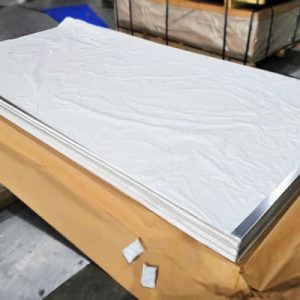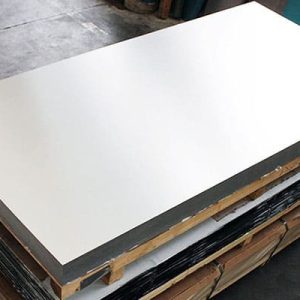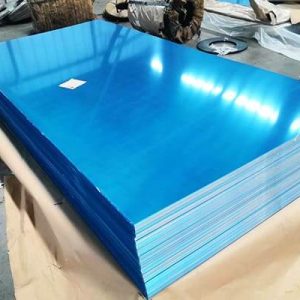


Im Bereich der Hochleistungsaluminiumlegierungen, 5454 Aluminiumblechplatte zeichnet sich durch eine einzigartige Kombination aus hervorragender Korrosionsbeständigkeit aus, gute Stärke, und bemerkenswerte Leistung bei mäßig erhöhten Temperaturen.
Diese Aluminium-Magnesium-Mangan-Legierung der 5xxx-Serie hat sich zu einem bevorzugten Material für anspruchsvolle Anwendungen entwickelt, bei denen thermische Stabilität und Beständigkeit gegen chemische Angriffe von größter Bedeutung sind.
Inhalt
zeigen
1. Einführung von 5454 Aluminiumblechplatte
5454 Aluminiumblechplatte ist eine nicht wärmebehandelbare Knetlegierung, die speziell dafür entwickelt wurde, ihre strukturelle Integrität und Korrosionsbeständigkeit beizubehalten, wenn sie anhaltenden Temperaturen ausgesetzt wird, die andere Legierungen der 5xxx-Serie beeinträchtigen könnten 5083.
Seine Formulierung, insbesondere der kontrollierte Magnesium- und Mangangehalt, macht es weniger anfällig für Sensibilisierung und Spannungsrisskorrosion (SCC) bei Betriebstemperaturen typischerweise bis zu etwa 120–150 °C (250-300° F).
Das macht 5454 Aluminiumblechplatte eine ideale Wahl für Tankwagen, die heiße Flüssigkeiten transportieren, Ausrüstung für die chemische Verarbeitung, und bestimmte Druckbehälteranwendungen.
2. Eigenschaften von 5454 Aluminiumlegierung
Die Leistung von 5454 Aluminiumblechplatte beruht auf seiner sorgfältig ausgewogenen chemischen Zusammensetzung und den daraus resultierenden physikalischen und mechanischen Eigenschaften.
Chemische Zusammensetzung
Der Schlüssel zu 5454 Aluminiumblechplatten Seine einzigartigen Fähigkeiten liegen in seinen Legierungselementen.
Magnesium (Mg) ist das primäre Verstärkungsmittel und trägt auch zur Korrosionsbeständigkeit bei.
Mangan (Mn) steigert die Kraft weiter und, zusammen mit kontrollierten Chromgehalten (Cr), Hilft, die Mikrostruktur bei erhöhten Temperaturen zu stabilisieren.
| Element | Inhalt (%) (Typisch für ASTM B209) | Funktion |
|---|---|---|
| Silizium (Und) | ≤ 0.25 | Verunreinigung; kontrolliert, um die gewünschten Eigenschaften beizubehalten. |
| Eisen (Fe) | ≤ 0.40 | Verunreinigung; Hohe Werte können Duktilität und Korrosionsbeständigkeit verringern. |
| Kupfer (Cu) | ≤ 0.10 | Verunreinigung; kontrolliert, um negative Auswirkungen auf die Korrosionsbeständigkeit zu verhindern. |
| Mangan (Mn) | 0.50 - - 1.0 | Verbessert die Stärke; arbeitet mit Mg und Cr zusammen, um die Stabilität bei erhöhten Temperaturen und die Beständigkeit gegen interkristalline Korrosion zu verbessern. |
| Magnesium (Mg) | 2.4 - - 3.0 | Primärlegierungselement; Bietet eine erhebliche Festigung der festen Lösung und eine hervorragende Korrosionsbeständigkeit. Niedrigeres Mg als 5083 Hilft bei erhöhter Temperaturstabilität. |
| Chrom (Cr) | 0.05 - - 0.20 | Verbessert die Korrosionsresistenz, steuert die Getreidestruktur, und trägt zur Beständigkeit gegen Spannungsrisskorrosion bei. |
| Zink (Zn) | ≤ 0.25 | Verunreinigung. |
| Titan (Von) | ≤ 0.20 | Oft als Getreideraffiner beim Gießen hinzugefügt, Verbesserung der Zähigkeit und Formbarkeit. |
| Andere, jede | ≤ 0.05 | |
| Andere, gesamt | ≤ 0.15 | |
| Aluminium (Al) | Gleichgewicht | Grundmetall. |
Notiz: Spezifische Zusammensetzungsbereiche für 5454 Aluminiumblechplatte kann je nach geltenden Normen wie EN AW-5454 oder ASME SB-209 leicht variieren.
Physische Eigenschaften
Diese inhärenten materiellen Eigenschaften sind weitgehend unabhängig von der Temperatur.
- Dichte: Etwa 2.69 g/cm³ (0.097 lb/in³)
- Schmelzbereich: Etwa 600 - - 650 ° C (1110 - - 1200 ° F)
- Wärmeleitfähigkeit: Etwa 130 - - 140 W/m · k (bei 25 ° C)
- Elektrischer Widerstand: Etwa 4.9 - - 5.1 µω · cm (bei 20 ° C) / Elektrische Leitfähigkeit: ~34 % IACS
- Elastizitätsmodul (Young's Modul): Etwa 70 GPA (10,150 ksi)
- Wärmeleitkoeffizient: Etwa 23.7 µm/m · ° C. (20-100 ° C)
Mechanische Eigenschaften
Die mechanischen Eigenschaften von 5454 Aluminiumblechplatte werden maßgeblich von seinem Temperament beeinflusst. Gemeinsame Gemüter sind O. (geglüht), H32, H34 (kaltverfestigt und stabilisiert), und H111/H112 (durch Umformprozesse kaltverfestigt).
| Temperament | Zugfestigkeit (MPA, typisch) | Ertragsfestigkeit (0.2% Offset) (MPA, typisch) | Verlängerung (% in 50 mm, typisch für 1,6 mm Dicke) | Härte (Brinell, HBW, typisch) |
|---|---|---|---|---|
| O | 215 - - 285 | 85 - - 140 | ≥ 12 | 55 - - 65 |
| H32 | 250 - - 305 | 180 - - 240 | ≥ 6 | 70 - - 80 |
| H34 | 260 - - 330 | 200 - - 270 | ≥ 5 | 75 - - 85 |
| H111 | 220 - - 290 | 100 - - 150 | ≥ 10 | 60 - - 70 |
Notiz: Werte für 5454 Aluminiumblechplatte sind Richtwerte und können je nach Dicke und spezifischem Standard variieren. Informationen zu garantierten Mindestanforderungen finden Sie in den einschlägigen Normen.
Wichtig, 5454 Aluminiumblechplatte behält einen guten Prozentsatz seiner Raumtemperaturfestigkeit bei mäßig erhöhten Temperaturen bei, bei denen andere Legierungen erheblich schwächer werden könnten.
Korrosionsbeständigkeit
5454 Aluminiumblechplatte weist eine hervorragende Korrosionsbeständigkeit gegenüber einer Vielzahl von Umgebungen auf, einschließlich:
- Atmosphärische Bedingungen (Industrie und Marine)
- Süßwasser und Salzwasser
- Viele Industriechemikalien und Lebensmittel
- Besonders gute Beständigkeit gegen alkalische Lösungen (Z.B., Natriumhydroxidlösungen in mäßigen Konzentrationen und Temperaturen).
Seine Zusammensetzung ist speziell darauf abgestimmt, der Sensibilisierung gegenüber interkristalliner Korrosion und Spannungsrisskorrosion zu widerstehen (SCC) wenn es mäßig erhöhten Temperaturen ausgesetzt wird (typischerweise bis zu ~150°C), ein wesentliches Unterscheidungsmerkmal zu Legierungen wie 5083 unter solchen Servicebedingungen.
3. Herstellungsprozess von 5454 Aluminiumblechplatte
Die Produktion von hochwertiger Qualität 5454 Aluminiumblechplatte umfasst mehrere sorgfältig kontrollierte Phasen.
Bühne
Der Prozess beginnt mit dem Schmelzen von hochreinem Aluminium und der präzisen Zugabe von Legierungselementen wie Magnesium, Mangan, und Chrom, um die Zielzusammensetzung für zu erreichen 5454 Aluminium.
Das geschmolzene Metall wird dann typischerweise in große rechteckige Barren gegossen (Platten) mit Direct Chill (DC) Casting, was eine gleichmäßige Mikrostruktur gewährleistet.

Heiß & Kaltwalzen zu Blech/Platte
Die gegossenen Barren werden vorgewärmt (homogenisiert) Lösliche Phasen auflösen und die Verarbeitbarkeit verbessern.
Anschließend werden sie warmgewalzt, Dort durchlaufen sie große Walzen, um ihre Dicke deutlich zu reduzieren.
Nach heißem Rollen, Die Dicke des Materials kann durch Kaltwalzen weiter reduziert werden, um die endgültige gewünschte Dicke zu erreichen und die Oberflächenbeschaffenheit und die mechanischen Eigenschaften des Materials zu verbessern 5454 Aluminiumblechplatte.
Glüh- und Temperbezeichnungen (H111, H114, H32, H34, usw.)
Nach dem Rollen, 5454 Aluminiumblechplatte kann verschiedenen thermischen Behandlungen unterzogen werden, um bestimmte Härtegrade zu erreichen:
- O Temperament (Geglüht): Durch Erhitzen auf eine bestimmte Temperatur und anschließendes langsames Abkühlen vollständig erweicht, Bietet maximale Duktilität und Formbarkeit.
- Hxx-Gemüter (Belastet):
- H1x (Nur belastet): Durch Kaltumformung wird die Festigkeit erhöht. Zum Beispiel, H111 impliziert eine gewisse Kaltverfestigung durch Formgebungsprozesse, jedoch ohne spezifische Kontrolle. H114 ist für einige Anwendungen ein spezifischer Zustand.
- H3x (Belastet und stabilisiert): Nach der Kaltumformung, Das Material wird einer Wärmebehandlung bei niedriger Temperatur unterzogen (Stabilisierung) zur Verbesserung der Duktilität und Langzeitstabilität der Eigenschaften, besonders wichtig für 5454 Aluminiumblechplatte aufgrund seines Einsatzes bei erhöhten Temperaturen. H32 (viertelhart) und H34 (halbhart) sind häufig.
Oberflächenbeschaffenheit & Beschichtungen
5454 Aluminiumblechplatte wird normalerweise mit einer standardmäßigen Mühlenoberfläche geliefert.
Für spezifische Anwendungen, Zur Vermeidung von Oberflächenbeschädigungen kann eine schützende PVC/PE-Folie aufgebracht werden.
Weitere Oberflächenbehandlungen wie Eloxieren oder Lackieren können vom Endverbraucher durchgeführt werden.
4. Bildung & Herstellungstechniken für 5454 Aluminiumblechplatte
5454 Aluminiumblechplatte Bietet eine gute Herstellbarkeit unter Verwendung standardmäßiger Werkstattpraktiken.
Schneiden (Scheren, Laser, Wasserstrahl)
Standardmethoden können schneiden 5454 Aluminiumblechplatte:
- Scheren: Geeignet für gerade Schnitte bei dünneren Stärken.
- Laserschneiden: Bietet präzise Schnitte für komplexe Formen mit guter Kantenqualität.
- Wasserstrahlschneiden: Hervorragend geeignet für komplizierte Schnitte an dickeren Platten ohne Wärmeeinflusszonen.
Auch Plasmaschneiden ist eine Option, insbesondere für dickere Abschnitte.
Biegen & Zeichnung von 5454 Aluminiumblechplatte
5454 Aluminiumblechplatte hat mäßige Formbarkeit.
- Biegen: Es kann leicht gebogen werden, Besonders im Temperament. Härtere Härtegrade erfordern größere Biegeradien, um Risse zu vermeiden.
- Zeichnung: Geeignet für mäßige Tiefziehanwendungen. Der O-Temper wird für maximale Ziehbarkeit bevorzugt. Eine ordnungsgemäße Schmierung und Werkzeugausstattung sind unerlässlich.

Schweißen (MICH, Tig, Reibungsrührung)
5454 Aluminiumblechplatte hat eine gute Schweißbarkeit.
- MICH (Gawn) und Tig (Gtaw): Dies sind die gebräuchlichsten Schmelzschweißverfahren.
- Füllmetall: 5554 ist das bevorzugte Zusatzmetall, da es der chemischen Zusammensetzung des Grundmetalls sehr gut entspricht, Korrosionsbeständigkeit, und Leistung bei erhöhten Temperaturen. 5356 kann auch verwendet werden, Aber 5554 Bietet insgesamt eine bessere Kompatibilität für 5454 Aluminiumblechplatte.
- Reibrührschweißen (FSW): Ein Festkörperverbindungsverfahren, mit dem hochwertige Schweißnähte mit hervorragenden mechanischen Eigenschaften hergestellt werden können, allerdings weniger verbreitet als Schmelzmethoden für diese Legierung.
Gründliche Reinigung der Schweißnähte und geeignetes Schutzgas (meist Argon oder Argon-Helium-Mischungen) sind kritisch.
Best Practices für die Bearbeitung
Die maschinabilität von 5454 Aluminiumblechplatte ist im Allgemeinen fair, ähnlich wie andere Legierungen der 5xxx-Serie.
- Verwenden Sie scharfe Werkzeuge mit geeigneten Span- und Freiwinkeln.
- Hohe Schnittgeschwindigkeiten und moderate Vorschübe sind im Allgemeinen effektiv.
- Eine ausreichende Kühlung und Schmierung ist wichtig, um die Bildung von Spänen zu verhindern und eine gute Oberflächengüte zu erzielen.
Beitritt & Befestigung
Außer Schweißen, 5454 Aluminiumblechplatte können mit mechanischen Verbindungselementen wie Nieten und Bolzen verbunden werden.
Die Kompatibilität des Verbindungsmaterials ist wichtig, um galvanische Korrosion zu verhindern, vor allem in ätzenden Umgebungen.
Für bestimmte Anwendungen kann nach entsprechender Untergrundvorbereitung auch eine Verklebung in Frage kommen.
5. Vorteile von 5454 Aluminiumblechplatte
Leicht und stark
Wie alle Aluminiumlegierungen, 5454 Aluminiumblechplatte bietet ein hervorragendes Verhältnis von Festigkeit zu Gewicht.
Dies ist insbesondere bei Transportanwendungen wie Tankwagen von Vorteil, Hier führt ein geringeres Fahrzeuggewicht zu einer höheren Nutzlastkapazität und einer verbesserten Kraftstoffeffizienz.
Seine mittlere bis hohe Festigkeit gewährleistet strukturelle Integrität.
Hervorragende Formbarkeit (Im Verhältnis zu seiner Stärke und seinem Service)
Obwohl nicht so formbar wie einige Legierungen mit geringerer Festigkeit, 5454 Aluminiumblechplatte sorgt für eine gute Formbarkeit, vor allem im Temperten (O) Temperament.
Dies ermöglicht die Herstellung komplexer Formen, die für Tanks erforderlich sind, Gefäße, und diverse Komponenten.
Kosteneffizienz (Lebenszykluskosten)
Während die anfänglichen Materialkosten von 5454 Aluminiumblechplatte kann höher sein als bei manchen Stählen oder Allzweck-Aluminiumlegierungen, seine lange Lebensdauer durch hervorragende Korrosionsbeständigkeit (insbesondere bei erhöhten Temperaturen) und geringere Wartungsanforderungen können bei anspruchsvollen Anwendungen zu einer insgesamt besseren Gesamtlebenszykluskosteneffizienz führen.
Ein entscheidender Vorteil, nicht in Ihren Unterüberschriften aufgeführt, aber von entscheidender Bedeutung für 5454 Aluminiumblechplatte, ist es Überlegene Leistung bei mäßig erhöhten Temperaturen und ausgezeichnete Korrosionsbeständigkeit, wie bereits besprochen. Dies ist sein primäres Unterscheidungsmerkmal.
6. Schlüsselanwendung von 5454 Aluminiumblechplatte
Tankwagen & Anhänger
Dies ist eine Hauptanwendung für 5454 Aluminiumblechplatte.
Es wird häufig für den Bau von Tanks zum Transport heißer Flüssigkeiten wie Asphalt verwendet, heißes Öl, geschmolzener Schwefel, und verschiedene Chemikalien.
Entscheidend ist seine Fähigkeit, diesen Temperaturen ohne nennenswerten Festigkeitsverlust oder Korrosion standzuhalten.
Auch Kippmulden für heiße Materialien nutzen diese Legierung.
Chemische Verarbeitungsgeräte
5454 Aluminiumblechplatte wird bei der Herstellung von Lagertanks eingesetzt, Prozessbehälter, Rohrleitungen, und Wärmetauscher, die mit korrosiven Chemikalien umgehen, insbesondere bei mäßig erhöhten Betriebstemperaturen.
Besonders vorteilhaft ist die Beständigkeit gegenüber alkalischen Lösungen.
Druckbehälter
Es handelt sich um ein ASME-zugelassenes Material für den Bau von unbefeuerten Druckbehältern, die für den Einsatz bei gemäßigten Temperaturen vorgesehen sind, wo ihre Festigkeit und Korrosionsbeständigkeit von Vorteil sind.
Meeresanwendungen
Während 5083 oder 5086 kommen bei allgemeinen Meeresstrukturen häufiger vor, 5454 Aluminiumblechplatte kann für bestimmte Meereskomponenten verwendet werden, die mäßig erhöhten Temperaturen ausgesetzt sind (Z.B., Maschinenraumkomponenten, Abgasführung) oder eine spezifische chemische Beständigkeit erfordern, die über die typische Meeresumgebung hinausgeht.

Automobilkomponenten
Begrenzte, aber spezifische Anwendungen im Automobilbereich umfassen Komponenten, die mäßiger Hitze ausgesetzt sind, B. Hitzeschilde der Abgasanlage oder Teile in der Nähe heißer Motorkomponenten.
Architektur und Bauwesen
In speziellen Architektur- oder Bauszenarien, in denen Komponenten mäßiger Hitze ausgesetzt sind und eine gute Korrosionsbeständigkeit erfordern, 5454 Aluminiumblechplatte könnte berücksichtigt werden, obwohl es für allgemeine Gebäudefassaden keine übliche Wahl ist.
7. Vergleich von 5454 Aluminiumblechplatte mit anderen Legierungen
Verstehen wie 5454 Aluminiumblechplatte Der Vergleich mit anderen gängigen Aluminiumlegierungen ist entscheidend für fundierte Materialauswahlentscheidungen.
| Besonderheit / Legierung | 5454 Aluminiumblechplatte | 5083 Aluminiumblatt | 5052 Aluminiumblechplatte | 3003/3004 Aluminiumblechplatte | 6061-T6-Aluminiumblechplatte |
|---|---|---|---|---|---|
| Hauptvorteil | Hervorragende Leistung bei mäßig erhöhten Temperaturen | Sehr hohe Raumtemperaturfestigkeit, ausgezeichnete Korrosionsbeständigkeit im Meer | Gute allgemeine Korrosionsbeständigkeit, gute Formbarkeit | Hervorragende Formbarkeit, gute allgemeine Korrosionsresistenz | Hohe Stärke (hitzebehandelt), gute allgemeine Korrosionsresistenz, gute Bearbeitbarkeit |
| Erhöhte Temperatur. Leistung ( >65° C / 150° F) | Exzellent; widersteht Sensibilisierung & SCC | Arm; anfällig für Sensibilisierung & SCC, erheblicher Kraftverlust | Fair bis arm; normalerweise nicht empfohlen | Arm; erheblicher Kraftverlust | Arm; erheblicher Kraftverlust, Es kann zu Überalterung kommen |
| Zimmertemperatur. Stärke | Moderat bis hoch | Hoch bis sehr hoch | Mäßig | Niedrig bis moderat | Hoch (nach T6-Wärmebehandlung) |
| Korrosionsbeständigkeit (Allgemein) | Exzellent | Exzellent (vor allem marine) | Exzellent | Gut | Gut |
| Korrosionsbeständigkeit (Alkalisch) | Sehr gut | Gut | Gut | Gerecht | Fair bis gut |
| Schweißbarkeit | Gut | Exzellent | Gut | Gut | Gut (aber erheblicher Festigkeitsverlust in der HAZ ohne Wärmebehandlung nach dem Schweißen) |
| Formbarkeit | Mäßig (O Temperament am besten) | Mäßig (O Temperament am besten) | Gut (O Temperament am besten) | Exzellent (O Temperament am besten) | Gerecht (O Temperament); Arm (T6 Temperament) |
| Typische Anwendungen | Tankwagen (heiße Flüssigkeiten), Chemische Verarbeitung, Druckbehälter (heißer Service) | Meeresstrukturen, LNG Tanks, kryogene Anwendungen, hochfeste Schweißkonstruktionen | Allgemeines Blech, Marine (Weniger kritisch), Kraftstofftanks, Geräte | Allgemeines Blech, Kochgeschirr, Bauprodukte, Getränkedosen (3004) | Allgemeines strukturell, Maschinenteile, Architektur, Fahrradrahmen |
| Wärme behandelbar? | NEIN | NEIN | NEIN | NEIN | Ja |
| Füllmetall (Bevorzugt) | 5554 | 5183 oder 5356 | 5356 | 4043 oder 5356 | 4043 oder 5356 (Vorwärmebehandlung); 5356 (Nachwärmebehandlung) |
Wichtige Erkenntnisse aus dem Vergleich:
- Wählen 5454 Aluminiumblechplatte wenn es um Ihre Bewerbung geht längere Exposition gegenüber mäßig erhöhten Temperaturen (bis zu ~150°C / 300° F) wo die Beständigkeit gegen Festigkeitsverlust und Spannungsrisskorrosion von größter Bedeutung ist. Seine ausgezeichnete allgemeine Korrosionsbeständigkeit, insbesondere gegenüber alkalischen Lösungen, ist auch ein wesentlicher Vorteil.
- Wenn maximale Raumtemperaturfestigkeit und Meereskorrosionsbeständigkeit sind primär, und der Betrieb bei erhöhter Temperatur spielt keine Rolle, 5083 wird oft bevorzugt.
- Für Gute allgemeine Formbarkeit und Korrosionsbeständigkeit bei Umgebungstemperaturen, 5052 ist eine vielseitige Wahl.
- Wenn hochfest durch Wärmebehandlung ist erforderlich und der Einsatz bei erhöhten Temperaturen stellt kein Problem dar, 6061-T6 ist eine übliche Strukturlegierung, Allerdings müssen die Schweißeigenschaften sorgfältig geprüft werden.
8. Was sind die Spezifikationen von Langhe? (Beispiel/generisches)
Langhe, als renommierter Lieferant von Aluminiumprodukten, normalerweise bereitstellen würde 5454 Aluminiumblechplatte Einhaltung strenger internationaler Standards und Kundenspezifikationen.
| Spezifikationsgegenstand | Langhe lieferte Einzelheiten (Beispiel) |
|---|---|
| Legierungsbezeichnung | 5454 |
| Regierungsstandards | ASTM B209, ASME SB-209, EN AW-5454, Kundenspezifische Anforderungen |
| Verfügbare Gemüter | O, H32, H34, H111, H112, H114, andere Temperamente auf Anfrage |
| Dicke | Blatt: Typischerweise 0,5 mm - 6,0 mm <br> Platte: Typischerweise 6,0 mm – 100 mm (oder je nach Mühlenkapazität) |
| Breite | Standardbreiten (Z.B., 1000mm, 1250mm, 1500mm, 2000mm); Sonderbreiten verfügbar. |
| Länge | Standardblatt-/Plattenlängen (Z.B., 2000mm, 2500mm, 3000mm, 6000mm) oder in Spulenform geliefert (dünnere Stärken) |
| Oberflächenbeschaffung | Mühle Finish (Standard), andere Ausführungen auf Anfrage. |
| Oberflächenschutz | Optionale PVC/PE-Schutzfolie (ein oder zwei Seiten). |
| Dimensionstoleranzen | Nach geltenden Normen (ASTM, IN) oder strengere kundenspezifische Toleranzen. |
| Zertifizierung | Mühlenprüfzertifikat (MTC) zwei EINS 10204 3.1, Einzelheiten zur chemischen Zusammensetzung, mechanische Eigenschaften, und Einhaltung der Standards. Eine Inspektion durch Dritte kann arrangiert werden. |
Diese Tabelle stellt ein Beispiel dar. Für präzise, aktuelle Spezifikationen für 5454 Aluminiumblechplatte aus Langhe, Eine direkte Rücksprache mit dem Vertriebs- oder Technikteam ist unerlässlich.
9. Standards und Qualitätssicherung für 5454 Aluminiumblechplatte
Die Einhaltung von Industriestandards und strengen Qualitätssicherungsprotokollen ist von entscheidender Bedeutung 5454 Aluminiumblechplatte, insbesondere angesichts seines Einsatzes in kritischen Anwendungen.
Branchenstandards
Wichtige internationale Standards 5454 Aluminiumblechplatte enthalten:
- ASTM B209: Standardspezifikation für Aluminium und Aluminium-Alloy-Blatt und Platte.
- ASME SB-209: Spezifikation für Bleche und Platten aus Aluminium und Aluminiumlegierungen (häufig für Druckbehälteranwendungen).
- IN 485 / IN 573: Europäische Normen für Aluminiumlegierungen, Chemische Zusammensetzung, und Form der bearbeiteten Produkte.
- Spezifische Branchencodes (Z.B., ADR für die Beförderung gefährlicher Güter auf der Straße).
Testmethoden
Um dies sicherzustellen, führen die Hersteller verschiedene Tests durch 5454 Aluminiumblechplatte erfüllt spezifizierte Anforderungen:
- Chemische Analyse: Verwendung von Spektrometrie zur Überprüfung der Legierungszusammensetzung.
- Mechanische Tests: Zugversuch (für Zugfestigkeit, Ertragsfestigkeit, Verlängerung), Härteprüfung.
- Korrosionstest: Einschließlich Tests zur interkristallinen Korrosion und Spannungsrisskorrosionsanfälligkeit, insbesondere für Temperiergeräte, die für den Einsatz bei erhöhten Temperaturen vorgesehen sind.
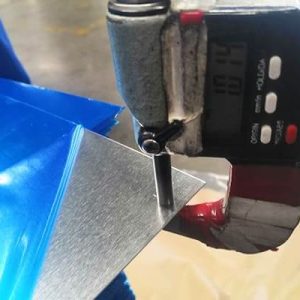
- Dimensionale Inspektion: Überprüfung der Dicke, Breite, Länge, und Flachheit.
- Zerstörungsfreie Prüfung (Ndt): An dickeren Blechen kann eine Ultraschallprüfung durchgeführt werden, um interne Mängel festzustellen.
10. Abschluss
5454 Aluminiumblechplatte zeichnet sich als spezialisiertes technisches Material aus, einzigartig ausgestattet, um die doppelten Herausforderungen mäßig erhöhter Temperaturen und korrosiver Umgebungen zu bewältigen.
Seine sorgfältig kontrollierte Zusammensetzung sorgt für eine hervorragende Beständigkeit gegen Sensibilisierung und Spannungsrisskorrosion, Dies macht es zu einer zuverlässigen Wahl für Tankwagen, Ausrüstung für die chemische Verarbeitung, und Druckbehälter, die unter anspruchsvollen Bedingungen betrieben werden.
Es verfügt zwar über eine gute Festigkeit und Schweißbarkeit, Sein Hauptwert liegt in seiner thermischen Stabilität im Vergleich zu anderen Legierungen der 5xxx-Serie.
Für Anwendungen, bei denen die Leistung bei „warmen“ Temperaturen entscheidend ist, 5454 Aluminiumblechplatte bietet eine optimale Ausgewogenheit der Eigenschaften, Gewährleistung der Sicherheit, Langlebigkeit, und betriebliche Effizienz.
Häufig gestellte Fragen (FAQ)
Q1: Was ist der Hauptvorteil von 5454 Aluminium über 5083 Aluminium?
A: Der Hauptvorteil von 5454 Aluminiumblechplatte über 5083 ist seine überlegene Leistung und Resistenz gegen Sensibilisierung (was zu Spannungsrisskorrosion führen kann) bei mäßig erhöhten Temperaturen, typischerweise über 65°C (150° F).
Q2: Wofür wird die maximale Betriebstemperatur empfohlen? 5454 Aluminiumblechplatte?
A: Spezifische Designvorschriften sollten jedoch immer beachtet werden, 5454 Aluminiumblechplatte gilt im Allgemeinen als geeignet für den Dauerbetrieb bei Temperaturen bis etwa 120–150 °C (250-300° F), Abhängig vom Stressniveau und der spezifischen Umgebung.
Q3: Ist 5454 Aluminium, geeignet für kryogene Anwendungen?
A: Wie die meisten Aluminiumlegierungen, 5454 Aluminiumblechplatte behält eine gute Zähigkeit bei und erhöht die Festigkeit bei kryogenen Temperaturen.
Q4: Welcher Zusatzwerkstoff eignet sich am besten zum Schweißen? 5454 Aluminium?
A: Das bevorzugte Zusatzmetall zum Schweißen 5454 Aluminiumblechplatte Ist 5554, da die Zusammensetzung so abgestimmt ist, dass sie bei erhöhten Temperaturen eine ähnliche Korrosionsbeständigkeit und Leistung bietet.
Q5: Wie führt der Korrosionsbeständigkeit von 5454 im Vergleich zu Edelstahl in bestimmten chemischen Umgebungen?
A: Der Vergleich hängt stark von der jeweiligen Chemikalie ab, seine Konzentration, und Temperatur. 5454 Aluminiumblechplatte bietet eine hervorragende Beständigkeit gegenüber vielen Chemikalien, insbesondere alkalische Lösungen, bei denen einige rostfreie Stähle Probleme haben könnten.
Jedoch, Edelstähle bieten im Allgemeinen eine größere Beständigkeit gegenüber einem breiteren Spektrum aggressiver Säuren und Chloride.
Verwandte Produkte
-

 Aluminiumblechplatte, Produkte
6005 Aluminiumblatt
Name
6005 AluminiumblattDicke
0.3-6.0 mmBreite
1000 mm - 2600 mm,AnpassenOberfläche
Hell, poliert, Haaransatz, Bürste, Sandstrahl, kariert, geprägt, Radierung, usw.Technisch
Knetlegierung、Kaltwalzen (CC)、Wärmebehandelt (April/Fr) -
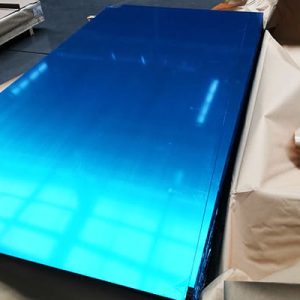
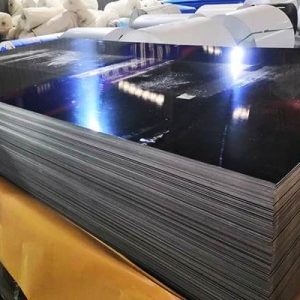 Aluminiumblechplatte
6063 Aluminiumblatt: Erzielen Sie makellose Ergebnisse
¥5,800.00Bekannt für seine außergewöhnliche Oberflächenqualität und sein hervorragendes Anodisierungsverhalten, 6063 Aluminiumblech ist das ideale Material für architektonische Verkleidungen, Dekorative Komponenten, und Anwendungen, bei denen die Ästhetik im Vordergrund steht.
-
Aluminiumblechplatte
5182 Aluminiumblechplatte
¥3,650.00Wählen Sie Hochleistungen 5182 Aluminiumblechplatte für außergewöhnliche Formbarkeitsfähigkeit, Schweißbarkeit, und dauerhafte Haltbarkeit in Marine, Automobil, und industrielle Zwecke.
-

 Aluminiumblechplatte
Wabe Aluminium -Panel
¥4,500.00Entdecken Sie, wie Aluminiumplatte Wabenplatte überlegene Biegesteifigkeit liefern, Wärmeisolierung, und Feuersicherheit - alle bei 70% Weniger Gewicht als festes Metall. Ideal, um Sie zu machen, Luft- und Raumfahrt, und industrielles Design.
-

 Aluminiumblechplatte
3104 Aluminiumblatt
¥3,500.00Erforschen Sie die Schlüsselmerkmale von 3104 Aluminiumblatt, einschließlich seiner ausgezeichneten Korrosionsbeständigkeit, Formbarkeit, und Stärke. Verstehen Sie seinen Produktionsprozess und wie er sich mit anderen Aluminiumlegierungen in der vergleichbar macht…
-

 Aluminiumblechplatte
3004 Aluminiumblatt
¥3,860.00Der 3004 Aluminiumblatt von Langhe Aluminium Co.. ist ein vielseitiges Material, das für seinen Korrosionsbeständigkeit bekannt ist, Mäßige Stärke, und ausgezeichnete Formbarkeit. Bestand hauptsächlich aus Aluminium und Mangan, es ist…
-
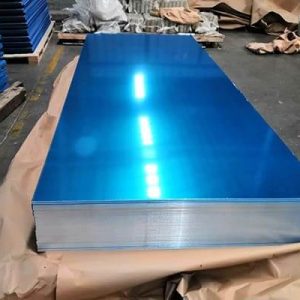
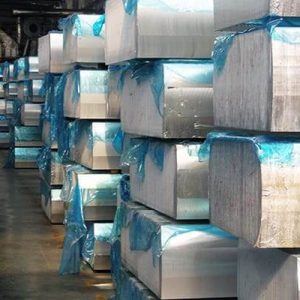 Aluminiumblechplatte
3003 Aluminiumplatte
¥3,350.003003 Aluminiumplatte: korrosionsbeständig, formbar, Ideal für Panzer, Dach & Transport. Erhältlich in H14/H24/O -Gemüter, Dicke 0,2-150 mm. Wählen Sie Mühle, geprägte oder gemalten Oberflächen.
-

 Aluminiumblechplatte
1000 Serie Aluminiumblatt
¥3,250.001000 Serie Aluminiumblatt: bekannt für seine hervorragende Korrosionsbeständigkeit, hohe elektrische Leitfähigkeit, und Formbarkeit. Ideal für Anwendungen in chemischen Geräten, Lebensmittelverarbeitung, und Architekturprojekte
-

 Aluminiumblechplatte
1060 Aluminiumblatt
¥3,468.001060 Aluminiumplatte ist ein übliches leichtes Material, das dem gehört 1000 Serie Aluminiumlegierung. Es ist aufgrund seines niedrigen Preises auf dem Markt beliebt, starke Korrosionsresistenz und…
-
 Aluminiumblechplatte
2219 T37 Aluminiumblatt
¥10,714.002219 T37 Aluminiumblatt ist ein hochfestes Leichtmetallblatt in der 2000 Serie Aluminiumlegierung, die in der Luft- und Raumfahrt häufig verwendet wird, Marine Engineering, Hochtemperaturumgebung und andere Felder.