


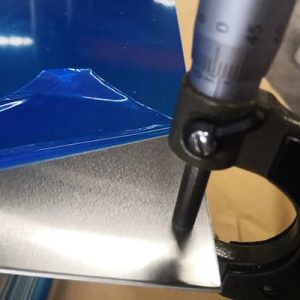
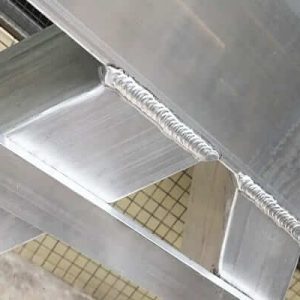


Gdy aplikacje wymagają wyjątkowej siły, Najwyższy odporność na korozję, szczególnie w trudnych środowiskach morskich, i doskonała spawalność, 5086 Arkusz aluminiowy pojawia się jako najlepszy wybór materialny.
Ten wysokowydajny stop wyrzeźbił znaczącą niszę w branżach, w których trwałość i niezawodność.
Ten kompleksowy przewodnik zagłębia się w misterne szczegóły 5086 Arkusz aluminiowy, badanie jego właściwości, Charakterystyka wytwarzania, Zastosowania, i jak to porównuje z innymi stopami, Zapewnienie głębokiego zrozumienia tego solidnego materiału.
Zawartość
pokazywać
1. Wprowadzenie do 5086 Arkusz aluminiowy
Co dokładnie jest 5086 Arkusz aluminiowy?
5086 Arkusz aluminiowy jest materiałem o dużej wytrzymałości, stop niepoddający się obróbce cieplnej, należący do serii stopów aluminium 5xxx. Jego głównymi pierwiastkami stopowymi są magnez (zazwyczaj wokół 4%) i mangan, które razem nadają mu niezwykłe cechy.
Dzięki takiemu składowi słynie on z wyjątkowej wydajności w agresywnych środowiskach, szczególnie słona woda, zyskując miano „klasy morskiej”.. Ponadto, zachowuje dobrą wytrzymałość nawet po spawaniu.
Dlaczego 5086 Arkusz aluminiowy ma znaczenie: Znaczenie rynku
Znaczenie 5086 Arkusz aluminiowy polega na jego zdolności do rozwiązywania krytycznych wyzwań inżynieryjnych w wymagających sektorach.
Jest niezastąpiony w przemyśle stoczniowym, konstrukcje offshore, zbiorniki kriogeniczne, oraz transport ciężki, w którym materiały muszą wytrzymać ekstremalne warunki bez szwanku.
Więc, jego wybór często przekłada się na dłuższą żywotność, zmniejszona konserwacja, i zwiększone bezpieczeństwo w krytycznych zastosowaniach.
2. Charakterystyka podstawowa & Niezrównane zalety 5086 Arkusz aluminiowy
Najwyższy odporność na korozję, Zwłaszcza w środowiskach morskich
Jedna z charakterystycznych cech 5086 Arkusz aluminiowy jest jego wyjątkowa odporność na korozję.
Wyjątkowo dobrze radzi sobie w wodzie morskiej i różnych innych środowiskach chemicznych.
To sprawia, że jest to preferowany wybór do zastosowań morskich.
Szczególnie, specyficzne gatunki, takie jak H116 i H321, są specjalnie przetwarzane w celu zapewnienia zwiększonej odporności na pękanie korozyjne naprężeniowe (SCC) i korozja eksfoliacyjna w środowiskach morskich.
Wysoki stosunek wytrzymałości do ważności
5086 Arkusz aluminiowy oferuje jeden z najwyższych poziomów wytrzymałości wśród niepoddanych obróbce cieplnej stopów aluminium.
Ta wysoka wytrzymałość, w połączeniu z naturalną niską gęstością aluminium, zapewnia doskonały stosunek wytrzymałości do masy.
Jest to szczególnie korzystne w zastosowaniach, w których zmniejszenie ciężaru konstrukcyjnego ma kluczowe znaczenie bez utraty integralności, jak w transporcie i przemyśle stoczniowym, co prowadzi do poprawy efektywności paliwowej i ładowności.
Doskonała spawalność
Stop ten wykazuje doskonałą spawalność przy użyciu popularnych technik spawania, takich jak MIG (Bawn) i Tig (GTAW).
Pozwala na tworzenie dużych, złożony, i strukturalnie solidne elementy spawane.
Ponadto, 5086 Arkusz aluminiowy zachowuje dobry procent wytrzymałości metalu nieszlachetnego w stanie po spawaniu, krytyczny czynnik w zastosowaniach konstrukcyjnych.
Dobra formalność
Pomimo wysokiej siły, 5086 Arkusz aluminiowy zapewnia dobrą formowalność, szczególnie w wyższym poziomie (O) hartować.
Może być wygięte, pociągnięty, i kształtowane przy użyciu standardowych metod wytwarzania.
Chociaż może wymagać większej siły i większych promieni zgięcia w porównaniu do bardziej miękkich stopów serii 5xxx, jego urabialność jest wystarczająca dla szerokiej gamy projektów konstrukcyjnych.
Wyjątkowa wydajność w niskich temperaturach (Przydatność kriogeniczna)
Istotną zaletą 5086 Arkusz aluminiowy jest jego doskonała wydajność w temperaturach kriogenicznych.
W przeciwieństwie do wielu metali żelaznych, które stają się kruche w niskich temperaturach, 5086 zachowuje, i może nawet nieznacznie wzrosnąć, jego wytrzymałość i plastyczność w warunkach ujemnych.
Dzięki temu idealnie nadaje się do budowy zbiorników i zbiorników na skroplony gaz ziemny (Lng) i inne ciecze kriogeniczne.
Dobra wytrzymałość zmęczeniowa
5086 Arkusz aluminiowy wykazuje dobrą odporność na zmęczenie, co oznacza, że może wytrzymać wielokrotne cykliczne obciążenie bez przedwczesnej awarii.
Jest to ważne w przypadku konstrukcji poddawanych naprężeniom dynamicznym, jak kadłuby statków narażone na działanie fal lub elementy pojazdów poddawane wibracjom.
3. Szczegółowe specyfikacje materiałów: Szczegóły techniczne 5086 Aluminium
Dokładne zrozumienie 5086 Arkusz aluminiowy wymaga sprawdzenia jego specyficznych właściwości materiałowych.
Skład chemiczny
Precyzyjny makijaż chemiczny 5086 Arkusz aluminiowy decyduje o jego działaniu.
Magnez (Mg) jest głównym elementem stopowym, znacząco wpływając na jego wytrzymałość i odporność na korozję.
Mangan (Mn) dodatkowo zwiększa wytrzymałość i kontroluje strukturę ziarna.
| Element | Treść (%) | Rola |
|---|---|---|
| Krzem (I) | ≤ 0.40 | Zanieczyszczenie; może mieć wpływ na spawalność, jeśli jest zbyt wysoka. |
| Żelazo (Fe) | ≤ 0.50 | Zanieczyszczenie; wpływa na plastyczność i odporność na korozję, jeśli jest nadmierna. |
| Miedź (Cu) | ≤ 0.10 | Utrzymywany na niskim poziomie, aby utrzymać dobrą odporność na korozję. |
| Mangan (Mn) | 0.20 - - 0.7 | Zwiększa siłę, poprawia hartowanie przez odkształcenie, kontroluje wielkość ziaren. |
| Magnez (Mg) | 3.5 - - 4.5 | Podstawowy element wzmacniający, Zwiększa odporność na korozję. |
| Chrom (Cr) | 0.05 - - 0.25 | Poprawia odporność na korozję, kontroluje strukturę ziarna, zmniejsza SCC. |
| Cynk (Zn) | ≤ 0.25 | Zanieczyszczenie. |
| Tytan (Z) | ≤ 0.15 | Rafiner zboża. |
| Inni, każdy | ≤ 0.05 | |
| Inni, całkowity | ≤ 0.15 | |
| Aluminium (Glin) | Balansować | Metal bazowy. |
Typowe zakresy oparte na normach takich jak ASTM B209, EN AW-5086.
Właściwości mechaniczne (Segmenty według temperamentu)
Właściwości mechaniczne 5086 Arkusz aluminiowy różnią się znacznie w zależności od temperamentu (stopień umocnienia przez odkształcenie i obróbkę cieplną).
| Hartować | Wytrzymałość na rozciąganie (Ostateczny, MPa min) | Granica plastyczności (0.2% zrównoważyć, MPa min) | Wydłużenie (% w 50 mm, min) | Twardość (Brinella HBW, typowy) | Siła ścinania (MPA, typowy) |
|---|---|---|---|---|---|
| O | 260 - - 310 | 115 - - 145 | 12 - - 22 | 63 - - 70 | 165 |
| H32 | 290 - - 345 | 205 - - 240 | 10 - - 12 | 77 - - 85 | 170 |
| H34 | 310 - - 365 | 240 - - 275 | 8 - - 10 | 83 - - 90 | 180 |
| H111 | 275 | 125 | 12 | 70 | 165 |
| H112 | 270 | 115 | 12 | 67 | 160 |
| H116 | 290 | 205 | 10 | 77 | 170 |
| H321 | 290 | 205 | 10 | 77 | 170 |
Wartości są typowe lub minimalne zgodnie z powszechnymi standardami. Stopy H116 i H321 zapewniają zwiększoną odporność na złuszczanie i pękanie korozyjne naprężeniowe w środowisku morskim.
Siła zmęczeniowa dla 5086 jest ogólnie dobry, często w okolicy 125-150 MPa dla 5×10^7 cykli, ale zmienia się w zależności od temperamentu i specyficznych warunków.
Właściwości fizyczne
| Nieruchomość | Wartość (Przybliżony) |
|---|---|
| Gęstość | 2.66 g/cm³ (0.096 lb/in³) |
| Zakres topnienia | 574 - - 638 ° C. (1065 - - 1180 ° F) |
| Przewodność cieplna | 117 - - 126 W/m · k (Na 25 ° C., w zależności od temperamentu) |
| Rezystywność elektryczna | 5.6 - - 5.9 µΩ · cm (Na 20 ° C.) |
| Przewodność elektryczna | 29 - - 31% IAC |
| Moduł elastyczności (Napięcie) | 71 GPA (10,300 Ksi) |
| Współczynnik rozszerzalności cieplnej | 23.8 µm/m · ° C. (20-100 ° C.) |
4. Produkcja & Wydajność przetwarzania: Praca z 5086 Arkusz aluminiowy
Zrozumienie, jak z nim pracować 5086 Arkusz aluminiowy jest kluczem do wykorzystania jego zalet.
Spostrzeżenia dotyczące formowalności
Choć mocniejszy niż wiele innych stopów aluminium, 5086 Arkusz aluminiowy nadal zapewnia dobrą odkształcalność.
- Pochylenie się: Możliwy, ale wymaga większych promieni zgięcia w porównaniu do bardziej miękkich stopów, takich jak 5052, szczególnie w trudniejszych temperamentach. Temperament „O” jest najbardziej podatny na formowanie. Zawsze sprawdzaj szczegółowe wytyczne dotyczące odpuszczania dotyczące minimalnych promieni zgięcia, aby uniknąć pęknięć.
- Rysowanie i stemplowanie: Nadaje się do umiarkowanych operacji ciągnienia i tłoczenia. Właściwe oprzyrządowanie, smarowanie, i uwzględnienie wytrzymałości materiału są niezbędne.
- Formowanie rolki: Możliwość formowania na rolkach w różne profile, chociaż sprzęt musi wytrzymać jego większą wytrzymałość.

Doskonałość spawania
5086 Arkusz aluminiowy słynie z doskonałej spawalności.
- Zalecane metody spawania:
- Spawanie łuku metalu gazowego (Bawn / JA): Powszechnie używany ze względu na szybkość i wydajność, szczególnie w grubszych odcinkach.
- Spawanie łuku wolframu gazowego (GTAW / Tig): Zapewnia doskonałą kontrolę i wysoką jakość spoin, nadaje się do krytycznych połączeń i cieńszych materiałów.
- Odpowiednie stopy wypełniające:
- 5183: Często preferowany wypełniacz do spawania 5086 do siebie, ponieważ zapewnia bliższą wytrzymałość metalu nieszlachetnego i dobrą odporność na korozję.
- 5356: Wypełniacz ogólnego przeznaczenia do stopów serii 5xxx, również odpowiedni, ale może skutkować nieco niższą wytrzymałością spoiny w porównaniu do 5183.
- 5556: Zapewnia wyższą wytrzymałość spoiny niż 5356, może być alternatywą 5183.
- Kluczowe zagadnienia spawalnicze:
- Przygotowanie powierzchni: Dokładne czyszczenie w celu usunięcia tlenków, obrazy olejne, i zanieczyszczeń ma kluczowe znaczenie przed spawaniem. Użyj dedykowanej szczotki ze stali nierdzewnej lub chemicznych środków odtleniających.
- Kontrola dopływu ciepła: Zarządzaj dopływem ciepła, aby zminimalizować zniekształcenia i potencjalne zmiękczenie HAZ.
- Gaz osłonowy: Zwykle stosuje się argon o wysokiej czystości lub mieszaniny argonu i helu.
- Zmiękczanie HAZ: Jako niepoddający się obróbce cieplnej, stop utwardzany przez odkształcenie, strefa wpływu ciepła (Haz) ulegnie pewnemu wyżarzeniu, co prowadzi do miejscowego zmniejszenia siły. Należy to uwzględnić w projektowaniu.
Maszyna
Materialność 5086 Arkusz aluminiowy jest ogólnie oceniany jako średni lub dobry.
- Ogólne cechy: Można go efektywnie obrabiać, chociaż jest twardszy niż stopy aluminium o niższej wytrzymałości. Kontrola wiórów może czasami stanowić wyzwanie.
- Zalecenia dotyczące narzędzi: Stal szybkotnąca (HSS) można używać narzędzi, jednak w celu zapewnienia większej trwałości i wyższych prędkości skrawania zaleca się stosowanie narzędzi z końcówką węglikową, zwłaszcza dla twardszych temperamentów. Ostre narzędzia z dodatnim kątem natarcia są korzystne.
- Użycie płynu tnącego: Aby zmniejszyć zużycie narzędzia, zaleca się częste stosowanie płynów obróbkowych, zapobiegać narostom na krawędziach, i poprawić wykończenie powierzchni.
- Wpływ temperamentu: Trudniejsze temperamenty (NP., H32, H34) generalnie oferują nieco lepszą skrawalność i lepsze łamanie wiórów w porównaniu z bardziej miękkim stanem „O”..
Opcje obróbki powierzchni
Chwila 5086 Arkusz aluminiowy charakteryzuje się doskonałą naturalną odpornością na korozję, obróbkę powierzchniową można zastosować w zależności od konkretnych potrzeb.
- Anodowanie: Może być anodowany, przede wszystkim w celu dalszego zwiększenia jego odporności na korozję i zapewnienia twardszej powierzchni. Jednakże, zazwyczaj nie jest wybierany do anodowania dekoracyjnego, ponieważ jego wygląd może nie być tak jednolity i jasny jak w przypadku stopów 5005. Podstawowym celem jest ochrona funkcjonalna.
- Malarstwo & Powłoka: Powszechnie malowane lub powlekane do zastosowań morskich w celu zapewnienia dodatkowej ochrony, właściwości przeciwporostowe, lub ze względów estetycznych/identyfikacyjnych. Dokładne przygotowanie powierzchni, łącznie z czyszczeniem i odpowiednią powłoką konwersyjną lub podkładem, ma kluczowe znaczenie dla dobrej przyczepności.
- Powłoki konwersyjne: Chemiczne powłoki konwersyjne (NP., alternatywy chromianowe lub niechromowe) może być stosowany w celu zwiększenia odporności na korozję i stanowi doskonałą bazę dla przyczepności farby.
5. Obszary zastosowań 5086 Arkusz aluminiowy
Unikalne właściwości 5086 Arkusz aluminiowy sprawiają, że jest to materiał wybierany w kilku wymagających branżach.
Przemysł stoczniowy i sektor morski (Flagowa aplikacja)
To jest gdzie 5086 Arkusz aluminiowy naprawdę świeci. Jego wysoka wytrzymałość, Doskonała spawalność, i doskonała odporność na korozję słoną wodą sprawiają, że idealnie nadaje się do:
- Kadłuby statków i łodzi (od małych jednostek rzemieślniczych po większe statki)
- Nadbudówki, maszty, i taras
- Statki rybackie, łodzie patrolowe, jachty, łodzie robocze
- Morskie platformy naftowe i gazowe oraz powiązane konstrukcje morskie
Zbiorniki ciśnieniowe i zbiorniki magazynowe
Jego dobra siła, Spawalność, i wydajność w niskich temperaturach 5086 Arkusz aluminiowy odpowiednie dla:
- Zbiorniki kriogeniczne na skroplony gaz ziemny (Lng), ciekły azot, i inne gazy skroplone.
- Zbiorniki do przechowywania chemikaliów i zbiorniki procesowe, w których najważniejsza jest odporność na korozję.
Transport ciężki
Wysoki stosunek wytrzymałości do masy jest korzystny w zastosowaniach transportowych:
- Zabudowy wywrotek i przyczepy wywrotki
- Wagony kolejowe i ich komponenty
- Cysterny do transportu różnych cieczy
- Pojazdy wojskowe
Spawane konstrukcje konstrukcyjne w agresywnych środowiskach
Poza zastosowaniami morskimi, 5086 Arkusz aluminiowy dobrze służy:
- Mosty, chodniki, oraz platformy narażone na korozyjną atmosferę przemysłową lub przybrzeżną.
- Elementy infrastruktury wymagające długotrwałej trwałości przy minimalnej konserwacji.
Płyta pancerna (Pewne specjalistyczne temperamenty/specyfikacje)
W określonych stanach i grubościach, 5086 Arkusz aluminiowy może być stosowany do zastosowań związanych z ochroną balistyczną, oferując lekką alternatywę dla stalowej zbroi.
6. 5086 vs.. Inne popularne stopy aluminium
Zrozumienie, jak 5086 Arkusz aluminiowy w porównaniu z innymi często używanymi stopami aluminium, ma kluczowe znaczenie dla dokonywania świadomego wyboru materiałów dostosowanych do konkretnych wymagań aplikacji.
| Funkcja | 5086 Arkusz aluminiowy | 5052 Arkusz aluminiowy | 5083 Arkusz aluminiowy | 6061-Arkusz aluminiowy T6 |
|---|---|---|---|---|
| Podstawowe elementy stopowe | Mg, Mn | Mg | Mg, Mn | Mg, I |
| Upadrzone ciepło | NIE (Obciążenie utwardzone) | NIE (Obciążenie utwardzone) | NIE (Obciążenie utwardzone) | Tak |
| Ogólna siła | Wysoki | Średni | Bardzo wysoko (Nieco wyższe niż 5086) | Wysoki (w temperamencie T6) |
| Wytrzymałość po spawaniu | Dobra retencja | Dobra retencja (względem podstawy) | Dobra retencja | Znacząca redukcja, chyba że po spawaniu zostanie poddana obróbce cieplnej |
| Odporność na korozję (Ogólny) | Doskonały | Bardzo dobry | Doskonały | Dobry |
| Odporność na korozję (Morski) | Znakomity (zwłaszcza H116/H321 pod kątem odporności na SCC) | Dobry (ale mniej odporne na SCC niż wyspecjalizowane 5086/5083) | Znakomity (zwłaszcza H116/H321 pod kątem odporności na SCC) | Umiarkowany (może być podatny na wżery w słonej wodzie bez zabezpieczenia) |
| Formalność | Dobry (ale mniej niż 5052 ze względu na większą wytrzymałość) | Doskonały | Dobry (podobne do 5086, nieco mniej odkształcalny ze względu na wytrzymałość) | Uczciwy do dobrego (mniej podatne na formowanie niż seria 5xxx, szczególnie w T6) |
| Spawalność | Doskonały | Doskonały | Doskonały | Dobry (ale utrata wytrzymałości HAZ jest kluczowym problemem) |
| Wydajność kriogeniczna | Doskonały | Dobry | Doskonały | Dobry |
| Typowe zastosowania | Okrętownictwo, Struktury morskie, naczynia ciśnieniowe (kriogeniczny), transport ciężki | Ogólna praca blachy, Komponenty morskie (mniej krytyczne), zbiorniki paliwa, części urządzeń | Okrętownictwo, Struktury morskie, Zbiorniki LNG, wagony kolejowe, płyta pancerna | Ogólne zastosowania konstrukcyjne, Części samochodowe, ramy rowerowe, komponenty lotnicze |
| Kluczowa zaleta | Wysoka wytrzymałość i doskonała odporność na korozję morską & Spawalność | Doskonała formalność & dobra ogólna odporność na korozję | Najwyższa wytrzymałość wśród stopów niepoddawanych obróbce cieplnej, klasy morskiej | Wysoki stosunek wytrzymałości do ważności (poddane obróbce cieplnej), wszechstronny |
Dokonanie właściwego wyboru: Kiedy jest 5086 idealne rozwiązanie?
Wybierać 5086 Arkusz aluminiowy Kiedy Twoja aplikacja wymaga:
- Wyjątkowa odporność na słoną wodę i ogólną korozję.
- Wysoka wytrzymałość po spawaniu zapewniająca integralność strukturalną.
- Dobra równowaga wytrzymałości i odkształcalności dla solidnych konstrukcji.
- Niezawodne działanie w temperaturach kriogenicznych.
- Trwałość w wymagających warunkach morskich, transport, lub środowiska przemysłowe, w których inne stopy mogą słabnąć.
7. Dostępność: Formularze, Rozmiary, i standardy dot 5086 Aluminium
5086 Arkusz aluminiowy jest dostępny na rynku w różnych formach i rozmiarach, aby spełnić różnorodne potrzeby projektowe.
Wspólne formularze
- 5086 Arkusz aluminiowy: Cieńszy materiał, zazwyczaj do 6 mm (0.25 Cale).
- 5086 Aluminiowa płyta: Grubszy materiał, często używane do solidnych zastosowań konstrukcyjnych. 5086 aluminiowa płyta jest bardzo powszechny ze względu na jego zastosowanie w przemyśle stoczniowym i zbiornikach ciśnieniowych.
- 5086 Cewka aluminiowa: Może być dostarczony w formie zwojów do ciągłego przetwarzania.
Typowa grubość, Szerokość, i zakresy długości
- Grubość: Waha się od około 0,5 mm (0.020 Cale) do blachy o grubości do 150mm (6 Cale) lub więcej na talerz.
- Szerokość & Długość: Standardowe szerokości (NP., 1220mm, 1500mm, 2000mm) i długości (NP., 2440mm, 3000mm, 6000mm) są powszechne. Rozmiary niestandardowe są często dostępne u dostawców.
Kluczowe międzynarodowe i krajowe standardy regulujące 5086
5086 Arkusz aluminiowy i płyty są produkowane zgodnie z rygorystycznymi normami międzynarodowymi i krajowymi:
- ASTM B209: Standardowa specyfikacja dla aluminium i aluminium arkusz i płyty.
- ASTM B928/B928M: Standardowa specyfikacja dla blach i płyt ze stopu aluminium o wysokiej zawartości magnezu do zastosowań morskich i podobnych środowisk (obejmuje w szczególności stany H116 i H321).
- EN AW-5086 (Europa): Zgodny z EN 485 (Arkusz, Pas, Płyta) i i 573 (Skład chemiczny).
- Aprobaty towarzystw klasyfikacyjnych: Do zastosowań morskich, 5086 Arkusz aluminiowy często posiada atesty towarzystw klasyfikacyjnych, takich jak DNV (Norweska Veritas), Abs (Amerykańskie Biuro Żeglugi), Rejestr Lloyda, RINA, itp., zapewniając, że spełnia on określone wymagania dotyczące przemysłu stoczniowego.
8. Ważne uwagi & Potencjalne ograniczenia podczas użytkowania 5086 Aluminium
Wydajność w podwyższonej temperaturze
5086 Arkusz aluminiowy generalnie nie jest zalecany do długotrwałej pracy w temperaturach powyżej 65°C (150° F).
Długotrwałe narażenie na podwyższone temperatury może prowadzić do „uczulenia”.,”, gdzie wzdłuż granic ziaren tworzą się osady bogate w magnez, czyniąc stop podatnym na korozję międzykrystaliczną i pękanie korozyjne naprężeniowe.
Zmniejszenie wytrzymałości w strefie wpływu ciepła (Haz) Po spawaniu
Jako niepoddający się obróbce cieplnej, stop utwardzany przez odkształcenie, ciepło powstające podczas spawania spowoduje wyżarzanie materiału w SWC, co powoduje zmniejszenie siły w tym zlokalizowanym obszarze.
Redukcję tę należy uwzględnić przy projektowaniu konstrukcji spawanych.
Formalność
Chociaż jest klasyfikowany jako mający dobrą odkształcalność, jego wyższa wytrzymałość oznacza, że jest mniej ciągliwy i wymaga większej siły do formowania w porównaniu do bardziej miękkich stopów aluminium, takich jak 3003 Lub 5005.
Zwykle potrzebne są większe promienie zgięcia.
Czynnik kosztowy
Ze względu na wyższą zawartość stopu i specjalistyczną obróbkę dla niektórych temperamentów (jak H116/H321), 5086 Arkusz aluminiowy mogą być droższe niż stopy aluminium ogólnego przeznaczenia.
Jednakże, jego długoterminowa wydajność i trwałość często uzasadniają początkową inwestycję w wymagające zastosowania.
Pękanie korozji stresu (SCC) Łagodzenie
Do krytycznych zastosowań w środowiskach korozyjnych, szczególnie morskie, istotne jest dobranie odpowiedniego temperamentu, np. H116 lub H321.
Te odpuszczenia są specjalnie przetwarzane w celu stabilizacji mikrostruktury i maksymalizacji odporności na SCC i korozję eksfoliacyjną.
9. Wniosek
5086 Arkusz aluminiowy stanowi doskonały wybór materiału do zastosowań wymagających silnego połączenia wysokiej wytrzymałości, wyjątkowy odporność na korozję (szczególnie w warunkach morskich), Doskonała spawalność, i dobra wydajność w niskich temperaturach.
Posiada udokumentowane doświadczenie w przemyśle stoczniowym, konstrukcja zbiornika ciśnieniowego, i transporcie ciężkim podkreśla jego niezawodność i trwałość.
Chociaż ważne są takie względy, jak ograniczenia podwyższonej temperatury i mięknięcie SWC w spoinach, odpowiedni projekt i dobór materiałów, w tym specyficzne gatunki, takie jak H116 i H321, do użytku morskiego, włączać 5086 Arkusze aluminiowe aby zapewnić wyjątkową, długoterminową wydajność w najbardziej wymagających środowiskach.
FAQ
Q1: Jest 5086 aluminium odpowiednie do długotrwałego narażenia na słoną wodę?
A: Tak, absolutnie. 5086 Arkusz aluminiowy, szczególnie w temperamentach takich jak H116 i H321, zapewnia doskonałą odporność na korozję słoną wodą i jest głównym wyborem do zastosowań morskich.
Q2: Czy mogę spać 5086 aluminium z łatwością? Jakiego wypełniacza użyć?
A: Tak, 5086 Arkusze aluminiowe mają doskonałą spawalność metodą MIG (Bawn) lub TIG-a (GTAW) procesy. 5183 stop wypełniacza jest często preferowany w celu uzyskania bliskiej wytrzymałości, chociaż 5356 Lub 5556 można również użyć.
Q3: Jak to się dzieje 5086 porównać pod względem siły do 5052 Lub 6061?
A: 5086 Arkusz aluminiowy jest znacznie silniejszy niż 5052. W porównaniu do 6061-T6, 5086 może mieć niższą granicę wytrzymałości na rozciąganie i plastyczność w postaci podstawowej, ale zachowuje wyższy procent swojej wytrzymałości po spawaniu, bez konieczności obróbki cieplnej po spawaniu, co jest główną zaletą w przypadku dużych konstrukcji spawanych.
Q4: Jest 5086 aluminium nadające się do obróbki cieplnej?
A: NIE, 5086 Arkusz aluminiowy jest stopem bez gorącego traktowania. Jego wytrzymałość osiąga się poprzez dodanie stopu magnezu i manganu, i przez umocnienie przez odkształcenie (hartowanie pracy), Wyznaczone przez H-Tempers.
Q5: Jaka jest główna różnica pomiędzy 5086 I 5083 aluminium?
A: 5086 I 5083 są bardzo podobne pod względem wytrzymałości, stopy klasy morskiej. 5083 zazwyczaj ma nieco wyższą zawartość magnezu, potencjalnie oferujący nieznacznie większą wytrzymałość. 5086 Arkusz aluminiowy czasami charakteryzuje się nieco lepszą odpornością na korozję naprężeniową w niektórych stanach. W wielu zastosowaniach, uważa się je za zamienne.
Q6: Dlaczego temperatury H116 lub H321 są ważne w zastosowaniach morskich??
A: Hartowanie H116 i H321 dla 5086 Arkusze aluminiowe (I 5083) są specjalnie przetwarzane w celu stabilizacji mikrostruktury przed uczuleniem. To radykalnie poprawia ich odporność na korozję nawarstwiającą i pękanie korozyjne naprężeniowe (SCC) w przypadku długotrwałego wystawienia na działanie środowiska morskiego, co czyni je niezbędnymi do krytycznych zastosowań w przemyśle stoczniowym.
Powiązane produkty
-

 Aluminiowa płyta
Wysokość 2024 Aluminiowa blacha - doskonała lekka wydajność
¥6,800.00Podnieś swoje projekty z 2024 Aluminiowa płyta, oferując wyjątkowy stosunek siły do wagi, Znakomita odporność na korozję, i niezawodna siła zmęczenia - idealna dla lotniczej, automobilowy, i zastosowania morskie.
-
 Aluminiowa płyta
6063 Arkusz aluminiowy: Osiągnij bezbłędne wykończenia
¥5,800.00Znany z wyjątkowej jakości powierzchni i doskonałej reakcji anodowania, 6063 Arkusz aluminiowy jest idealnym materiałem do wykończenia architektonicznego, elementy dekoracyjne, i zastosowania, w których estetyka jest najważniejsza.
-

 Aluminiowa płyta
Niesamowity 2024 Arkusz aluminiowy - najlepszy przełom siły
¥6,500.00Odkryj premium 2024 Arkusz aluminiowy, Oferowanie wyjątkowej odporności na zmęczenie i podwyższoną wytrzymałość na rozciąganie dla lotniczej, obrona, oraz inżynieria o wysokiej wydajności. Dostępne w T3, T4, i temperamenty T6.
-

 Aluminiowa płyta
Panel aluminiowy o strukturze plastra miodu
¥4,500.00Odkryj, w jaki sposób panel miodu aluminiowy zapewnia doskonałą sztywność zginania, Izolacja termiczna, i bezpieczeństwo pożarowe - wszystko o 70% Mniejsza waga niż stały metal. Idealny, aby cię stworzyć, Aerospace, i projekt przemysłowy.
-

 Aluminiowa płyta
1070 Aluminiowa płyta
¥3,300.00Przeglądaj skład chemiczny, Odporność na korozję, i proces produkcyjny 1070 Arkusz aluminiowy. Zobacz, dlaczego inżynierowie wybierają to do barów autobusowych, wymienniki ciepła, i dekoracyjne panele.
-

 Aluminiowa płyta
3004 Arkusz aluminiowy
¥3,860.00. 3004 Arkusz aluminiowy z Langhe aluminium Co. jest wszechstronnym materiałem znanym z odporności na korozję, Umiarkowana siła, i doskonała formalność. Złożone przede wszystkim z aluminium i manganu, to jest…
-
 Aluminiowa płyta
1100 Arkusz aluminiowy
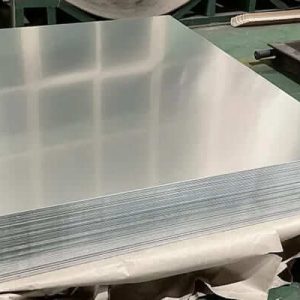
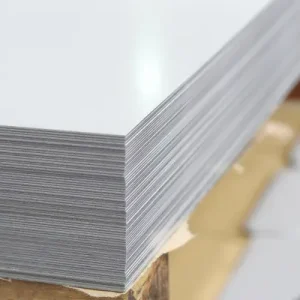
¥3,482.001100 Arkusz aluminiowy doskonała odporność na korozję, Formalność, a przewodność sprawia, że idealnie nadaje się do zastosowań w urządzeniach chemicznych, przetwórstwo spożywcze, i projekty architektoniczne. Dowiedz się, dlaczego jest to najlepszy wybór dla przemysłowej…
-

 Aluminiowa płyta
5754 Arkusz aluminiowy
¥5,208.005754 Płyta aluminiowa jest szeroko stosowana ze względu na jej doskonały stosunek wytrzymałości do masy, odporność na korozję i możliwość próby. Jak na przykład: Aerospace, samochód, statek, Zastosowania budowlane, lądowanie naczyń ciśnieniowych, itp.
-
 Aluminiowa płyta
1050 Arkusz aluminiowy
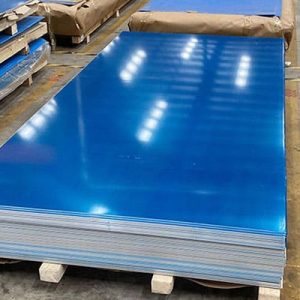
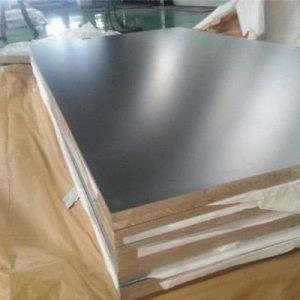
¥3,428.001050 Arkusz aluminium jest komercyjnie czystym stopem aluminium (99.5% Treść aluminiowa) który należy do 1000 Seria stopów aluminiowych.
-
 Aluminiowa płyta
2219 Aluminiowy arkusz T37
¥10,714.002219 Aluminiowy arkusz T37 to arkusz stopowy o wysokiej wytrzymałości w 2000 Seria aluminium, który jest szeroko stosowany w lotniczej, Inżynieria morska, Środowisko o wysokiej temperaturze i inne pola.