


Contents
show
1. Overview of 1000 Series Aluminum Sheet
1.1 Introduction to 1000 Series Aluminum Sheet
1000 series aluminum sheets represent nearly pure aluminum alloys, generally containing at least 99% aluminum.
These sheets have been a staple in industries that require excellent conductivity, corrosion resistance, and high reflectivity.
Their minimal alloying additions allow them to maintain high ductility and formability, making them ideal for applications where shaping and machining are critical.
Because of their high purity, 1000 series aluminum sheets offer outstanding electrical and thermal conductivity.
Their simple composition also provides superior corrosion resistance, as the natural oxide layer that forms on the surface protects the metal in harsh environments.
Architects, designers, and engineers appreciate these attributes in applications ranging from decorative panels and signage to electrical components and packaging materials.
1.2 Importance of 1000 Series Aluminum Alloy in Industry
Understanding and utilizing 1000 series aluminum sheets is vital for several reasons:
- High Electrical and Thermal Conductivity:
Industries such as electronics and HVAC rely on aluminum’s excellent conductive properties to ensure efficient performance. - Corrosion Resistance:
The protective oxide layer on 1000 series aluminum enables long-term durability, especially in corrosive environments. - Formability and Machinability:
High ductility and low strength make 1000 series aluminum easy to form, cut, and machine, reducing production time and cost. - Aesthetic Quality:
The natural bright finish and ease of surface treatments (anodizing, polishing) make it popular in architectural and decorative applications. - Recyclability and Sustainability:
Aluminum’s full recyclability supports sustainable manufacturing practices and reduces environmental impact.
These factors have led to its widespread use in many sectors, establishing 1000 series aluminum as a critical material in modern industry.
2. 1000 Series Aluminum Sheet Grades and Properties
This section examines the grades and key properties of the 1000 series aluminum alloys, focusing on their chemical composition, physical properties, and mechanical performance.
2.1 Grades of 1000 Series Aluminum Alloys
The 1000 series comprises alloys known for their high purity. Common grades include:
- 1050 Aluminum:
- At least 99.5% aluminum
- Excellent ductility and high conductivity
- Used in applications where high reflectivity is required
- 1060 Aluminum:
- Typically around 99.6% aluminum
- Similar to 1050 but slightly higher strength
- Commonly used in electrical and decorative applications
- 1100 Aluminum:
- Contains at least 99.0% aluminum
- Offers good workability and corrosion resistance
- Widely used in chemical and food packaging industries
Each grade meets specific requirements based on its composition and performance, with slight differences tailored to particular industrial needs.

2.2 Chemical Composition of 1000 Series Aluminum Alloys
The chemical composition of the 1000 series is characterized by its high aluminum content and minimal alloying additions.
Below is a typical chemical composition table for common 1000 series alloys:
| Grade | Aluminum (Al) | Iron (Fe) | Silicon (Si) | Copper (Cu) | Magnesium (Mg) | Manganese (Mn) | Other Elements |
|---|---|---|---|---|---|---|---|
| 1050 | ≥ 99.5% | ≤ 0.40% | ≤ 0.25% | ≤ 0.05% | ≤ 0.05% | ≤ 0.03% | Trace amounts |
| 1060 | ≥ 99.6% | ≤ 0.35% | ≤ 0.25% | ≤ 0.05% | ≤ 0.05% | ≤ 0.03% | Trace amounts |
| 1100 | ≥ 99.0% | ≤ 0.95% | ≤ 0.50% | ≤ 0.05% | ≤ 0.05% | ≤ 0.03% | Trace amounts |
Note: The values may vary slightly with different production methods and supplier specifications.
2.3 Physical Properties of 1000 Series Aluminum Alloys
The physical properties of 1000 series aluminum alloys define their performance in various applications.
The following table summarizes the typical values and their significance:
| Property | Typical Value | Comments |
|---|---|---|
| Density | ~2.70 g/cm³ | Low density makes the alloy lightweight, ideal for applications where weight reduction is critical. |
| Melting Point | ~660°C (1220°F) | A relatively low melting point facilitates energy-efficient processing methods like rolling and extrusion. |
| Thermal Conductivity | 205 – 235 W/m·K | High thermal conductivity ensures efficient heat dissipation, important for heat sinks and electronic applications. |
| Electrical Conductivity | ~61% IACS | High electrical conductivity makes it suitable for electrical components and conductive applications. |
| Thermal Expansion Coefficient | ~23 x 10⁻⁶ /°C | A moderate expansion rate is crucial for maintaining dimensional stability under temperature fluctuations. |
| Reflectivity | Typically 80-90% (with proper finish) | High reflectivity is beneficial for decorative applications and components requiring bright, clean surfaces. |
Understanding these physical properties helps engineers optimize the design and processing of 1000 series aluminum sheets, ensuring that the final product meets both functional and aesthetic requirements.
2.4 Mechanical Properties of 1000 Series Aluminum Alloys
The mechanical properties of 1000 series aluminum alloys reflect their high purity and excellent formability.
These alloys prioritize ductility and conductivity over high strength, making them ideal for applications that do not require heavy load-bearing capacity.
The table below summarizes the typical mechanical properties:
| Mechanical Property | Typical Range | Comments |
|---|---|---|
| Ultimate Tensile Strength | 90 – 110 MPa | Lower strength compared to alloyed aluminum; sufficient for non-structural applications. |
| Yield Strength | 35 – 55 MPa | Indicates the stress level at which permanent deformation begins; reflects high ductility. |
| Elongation | 35 – 40% | High elongation confirms excellent ductility, making these alloys easy to form and machine. |
| Hardness (Brinell) | 20 – 30 HB | Relatively soft, which aids in machining and achieving a superior surface finish. |
| Impact Strength | Generally low | Limited toughness due to minimal alloying, suitable for applications with low impact loads. |
Understanding these mechanical properties helps engineers and designers select the right 1000 series aluminum for applications where high conductivity, excellent formability, and a smooth surface finish are more critical than high mechanical strength.
2.5 Corrosion Resistance
1000 series aluminum inherently forms a thin, protective oxide layer that enhances its corrosion resistance.
This natural passivation makes it an excellent choice for applications where exposure to the environment is a concern, including food packaging and architectural elements.
2.6 Formability
The high ductility and low hardness of 1000 series aluminum result in outstanding formability.
Manufacturers can easily bend, draw, and machine these alloys into complex shapes with minimal risk of cracking or surface defects.
3. Production and Manufacturing Process
The production of 1000 series aluminum sheets involves several key stages, each designed to maintain high quality and consistency.
3.1 Raw Materials and Smelting Process
- Raw Material Selection:
Engineers select high-purity aluminum ingots as the primary raw material.
High purity ensures that the final product retains the desired properties, such as high electrical and thermal conductivity. - Smelting Process:
Aluminum ingots melt in a furnace at around 660°C. Modern smelting techniques focus on energy efficiency and environmental compliance.
Continuous monitoring ensures that the melt quality remains consistent, with impurities kept to a minimum.
3.2 Milling and Processing
The milling process involves several steps to transform molten aluminum into thin sheets:
Hot Rolling
- Process:
The molten aluminum is cast into large slabs, which then undergo hot rolling.
This process reduces the slab thickness and refines the grain structure, setting the stage for further processing. - Outcome:
Hot rolling produces preliminary sheets that require further processing to achieve final dimensions and improved surface quality.
Cold Rolling
- Process:
Cold rolling further reduces the thickness of the hot-rolled sheets.
The process occurs at room temperature, enhancing the mechanical properties and surface finish. - Outcome:
The result is a smooth, uniform sheet with excellent dimensional accuracy, ready for final finishing.

Annealing
- Process:
Annealing relieves internal stresses introduced during rolling.
The sheets heat to a controlled temperature, then cool slowly, enhancing ductility and softening the material. - Outcome:
Annealed sheets exhibit improved formability and a uniform microstructure, essential for subsequent processing.
Cutting
- Process:
Precision cutting techniques, including laser cutting or mechanical shearing, cut the sheets to specific dimensions. - Outcome:
The sheets are delivered in standard sizes or customized dimensions as per the requirements of the application.
3.3 Surface Treatment and Post-Processing
Surface treatments enhance both performance and aesthetics:
- Anodizing:
An electrochemical process that increases the thickness of the natural oxide layer, boosting corrosion resistance and allowing for color customization. - Powder Coating:
Provides a durable, decorative finish and additional protection against environmental factors. - Polishing:
Mechanical or chemical polishing improves the surface finish, making the sheets more reflective and attractive.
4. Advantages and Disadvantages of 1000 Series Aluminum
4.1 Advantages
1000 series aluminum sheets offer several significant benefits:
- Excellent Corrosion Resistance:
High purity ensures a robust protective oxide layer that withstands environmental exposure. - High Electrical and Thermal Conductivity:
Ideal for applications in electronics and heat management systems. - Outstanding Formability and Weldability:
The material’s ductility allows for complex forming and precise welding, reducing post-processing requirements. - High Purity:
With minimal alloying elements, 1000 series aluminum maintains excellent chemical stability. - Good Surface Finish:
Its inherent properties allow for a smooth, attractive finish that is highly desirable in decorative and reflective applications.
4.2 Disadvantages
While 1000 series aluminum excels in many areas, it also presents certain limitations:
- Low Strength:
Compared to alloyed aluminum grades (such as 6061 or 7075), 1000 series aluminum has lower mechanical strength, limiting its use in high-load applications. - Limited High-Temperature Applications:
The low strength and ease of deformation at elevated temperatures restrict its use in extreme environments. - Prone to Creep at Moderately High Temperatures:
Continuous stress and elevated temperatures may cause deformation over time, particularly in structural applications.
5. Main Application Areas
1000 series aluminum sheets serve a wide range of applications thanks to their unique properties.
Below, we explore key areas where these sheets excel.
5.1 Construction and Decoration
- Architectural Cladding:
Aluminum’s natural reflectivity and smooth finish make it ideal for building facades and decorative panels. - Window and Door Frames:
The material’s corrosion resistance and formability ensure durability and aesthetic appeal in modern constructions. - Interior Design:
Used in interior partitions, ceiling panels, and decorative trims, 1000 series aluminum contributes to sleek, modern designs.

5.2 Electronics and Electrical Appliances
- Heat Sinks:
The high thermal conductivity of 1000 series aluminum makes it perfect for dissipating heat in electronic components. - Conductive Components:
Its excellent electrical conductivity supports the production of circuit boards and conductive pathways in appliances. - Casings and Enclosures:
The lightweight and aesthetic properties make it a favored material for housing consumer electronics.
5.3 Chemical Processing Equipment
- Corrosion-Resistant Linings:
1000 series aluminum’s ability to resist corrosion ensures long-lasting performance in chemical environments. - Storage Tanks and Containers:
Its chemical stability makes it suitable for handling reactive substances.

5.4 Food and Packaging
- Food Containers:
Aluminum’s non-toxic, inert nature makes it ideal for food packaging applications. - Beverage Cans:
The lightweight and recyclable properties help reduce transportation costs and environmental impact. - Foil and Laminates:
Used in the production of reflective and protective packaging materials.
5.5 Reflective Surfaces
- Lighting Fixtures:
The excellent reflectivity of 1000 series aluminum makes it a popular choice for LED and other lighting systems. - Solar Reflectors:
Used in solar panels and reflective coatings to enhance light capture and energy efficiency.
5.6 Signs and Decoration
- Outdoor Signage:
The durability and surface finish quality make it ideal for long-lasting, weather-resistant signs. - Art and Sculptures:
The smooth, bright finish of 1000 series aluminum lends itself well to decorative and artistic applications.
5.7 Other Applications That Do Not Require High Strength
- Consumer Products:
Ideal for products where weight and aesthetics are prioritized over high load-bearing capacity. - General Fabrication:
Used in applications where ease of machining and forming are key.
6. Quality Control and Standard Specifications
Ensuring the quality of 1000 series aluminum sheets requires strict adherence to testing protocols and standards.
6.1 Test Methods
- Chemical Composition Analysis:
Use spectrometry and chemical assays to confirm purity and alloy content. - Dimensional Inspection:
Verify sheet thickness, width, and length using precision measuring instruments. - Mechanical Testing:
Conduct tensile, yield, and elongation tests to assess mechanical properties. - Surface Quality Inspection:
Employ optical methods and profilometers to evaluate the surface finish. - Corrosion Testing:
Perform salt spray and humidity tests to assess long-term environmental durability.
6.2 Standards and Certification
1000 series aluminum sheets must meet international and domestic standards:
- ASTM Standards:
ASTM B209 outlines the requirements for aluminum and aluminum-alloy sheets and plates. - ISO Standards:
ISO 6361 specifies the dimensions and mechanical properties of aluminum sheets. - EN Standards:
EN 485-2 and EN 573-3 detail the mechanical and chemical properties for aluminum products. - Domestic Standards:
National standards such as GB/T 3190 and GB/T 5237 ensure consistency in the Chinese market. - Certifications:
Products may also hold certifications like ISO 9001 for quality management and RoHS for environmental compliance.
7. Comparison with Other Alloys
Choosing the right material often requires comparing 1000 series aluminum sheets with other aluminum alloy series:
7.1 Comparison with Higher Alloyed Aluminum Sheets (e.g., 3003, 5052, 6061)
- Purity:
1000 series aluminum boasts the highest purity, providing superior electrical and thermal conductivity. - Strength:
Higher alloyed series like 6061 offer greater mechanical strength, making them suitable for load-bearing applications. - Formability:
1000 series aluminum excels in formability due to its high ductility and low strength. - Corrosion Resistance:
While all series offer corrosion resistance, the natural oxide layer in 1000 series aluminum provides excellent protection with minimal processing. - Cost:
1000 series aluminum tends to be more expensive per unit weight due to its high purity but delivers significant performance benefits in specific applications.
7.2 Comparison Table: 1000 Series vs. Other Aluminum Alloys
| Property | 1000 Series | 3003 | 5052 | 6061 |
|---|---|---|---|---|
| Aluminum Content | ≥99.0% | ~99.5% | ~98.5-99.0% | ~98.0-98.5% |
| Electrical Conductivity | Highest | High | Moderate to High | Moderate |
| Thermal Conductivity | High | High | High | Moderate |
| Strength | Low to Moderate | Moderate | Moderate to High | High |
| Formability | Excellent | Very Good | Good | Moderate |
| Corrosion Resistance | Excellent | Good | Excellent | Good |
| Cost Efficiency | High Purity, Premium | Balanced | Economical | Economical for strength |
8. Frequently Asked Questions (FAQ)
Q1: What are the common thickness ranges for 1000 series aluminum sheets?
- Answer: The thickness typically ranges from 0.2 mm to 6 mm, though custom dimensions are available based on application needs.
Q2: Can 1000 series aluminum be used in high-conductivity applications?
- Answer: Yes, its high purity ensures excellent electrical and thermal conductivity, making it ideal for heat sinks, electrical enclosures, and other conductive applications.
Q3: What surface finishes can be applied to 1000 series aluminum?
- Answer: Common finishes include anodizing, powder coating, and polishing, each enhancing the aesthetic and performance characteristics of the aluminum sheet.
Q4: How does the 1000 series compare to other aluminum alloys in terms of corrosion resistance?
- Answer: The 1000 series forms a natural oxide layer that offers excellent corrosion resistance. While higher alloyed series might offer additional benefits for specific environments, 1000 series aluminum performs very well under general conditions.
Q5: What are typical applications for 1000 series aluminum sheets?
- Answer: They are used in architectural cladding, window frames, electronic components, packaging, reflective surfaces, and any application where high conductivity, formability, and aesthetic quality are paramount.
9. Conclusion
1000 series aluminum sheets play a pivotal role in modern industry, offering unmatched purity, excellent conductivity, and superior formability.
The 1000 series aluminum sheets deliver outstanding performance in terms of electrical and thermal conductivity, formability, and aesthetic quality.
Their high purity makes them indispensable in applications where precise dimensions, excellent finish, and reliable performance are required.
Although they may not offer the highest strength compared to more heavily alloyed aluminum sheets, their unique properties make them the material of choice for a wide range of applications.
As the market continues to evolve, manufacturers and designers are increasingly prioritizing sustainability and efficiency.
The recyclability and energy efficiency of the 1000 series aluminum align perfectly with these trends, ensuring that this material remains relevant and valuable in future applications.
Related products
-

 Aluminum Sheet Plate
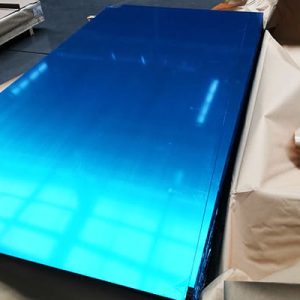
High‑Strength 2024 Aluminum Sheet Plate – Superior Lightweight Performance
¥6,800.00Elevate your projects with 2024 Aluminum Sheet Plate, offering an exceptional strength‑to‑weight ratio, outstanding corrosion resistance, and reliable fatigue strength—ideal for aerospace, automotive, and marine applications.
-
 Aluminum Sheet Plate
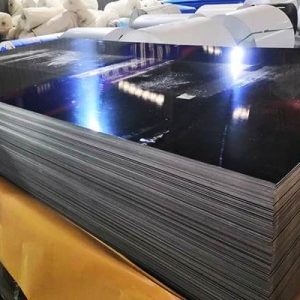
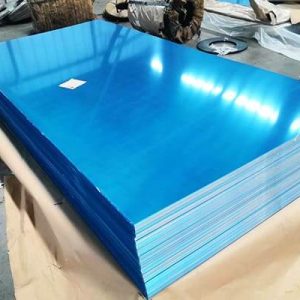
6063 Aluminum Sheet: Achieve Flawless Finishes
¥5,800.00Known for its exceptional surface quality and superior anodizing response, 6063 Aluminum Sheet is the ideal material for architectural trim, decorative components, and applications where aesthetics are paramount.
-
 Aluminum Sheet Plate
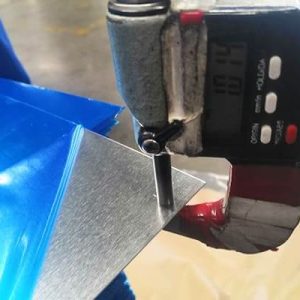
5454 Aluminum Sheet Plate
¥3,600.00Choose 5454 Aluminum Sheet Plate for lightweight strength in marine decks, chemical vessels, and pressure containers. Proven reliability, easy fabrication.
-
 Aluminum Sheet Plate
5086 Aluminum Sheet
¥3,750.00Unlock the technical advantages of 5086 Aluminum Sheet. In-depth analysis of its durability, excellent weldability, and supreme corrosion proofing for critical structures and harsh conditions.
-

 Aluminum Sheet Plate
1070 Aluminum Sheet Plate
¥3,300.00Explore the chemical composition, corrosion resistance, and manufacturing process of 1070 aluminum sheet. See why engineers choose it for bus bars, heat exchangers, and decorative panels.
-

 Aluminum Sheet Plate
3104 Aluminum Sheet
¥3,500.00Explore the key features of 3104 aluminum sheet, including its excellent corrosion resistance, formability, and strength. Understand its production process and how it compares to other aluminum alloys in the…
-
 Aluminum Sheet Plate
5052 Aluminum Sheet
¥5,880.005052 aluminum sheet belongs to the 5000 series aluminum alloy. The main added element is Mg. It is obtained by rolling the aluminum alloy. It has strong corrosion resistance and…
-
 Aluminum Sheet Plate
1100 Aluminum Sheet
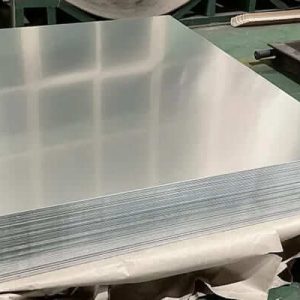
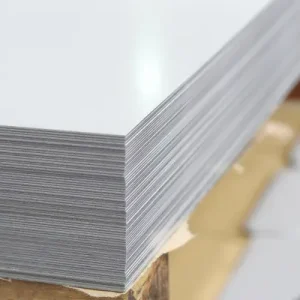
¥3,482.001100 aluminum sheet excellent corrosion resistance, formability, and conductivity make it ideal for applications in chemical equipment, food processing, and architectural projects. Learn why it’s a top choice for industrial…
-

 Aluminum Sheet Plate
1060 Aluminum Sheet
¥3,468.001060 aluminum plate is a common lightweight material belonging to the 1000 series aluminum alloy. It is popular in the market due to its low price, strong corrosion resistance and…
-
 Aluminum Sheet Plate
1050 Aluminum Sheet
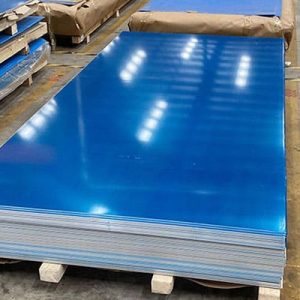
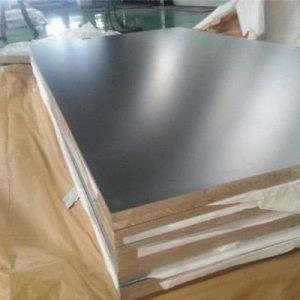
¥3,428.001050 aluminum sheet is a commercially pure aluminum alloy (99.5% aluminum content) that belongs to the 1000 series of aluminum alloys.