

Contents
show
1. Introduction to 3104 Aluminum Sheet
1.1 What is 3104 Aluminum Sheet?
3104 aluminum sheet is a popular aluminum-manganese (Al-Mn) alloy from the 3xxx series.
It offers a strong combination of moderate strength, high corrosion resistance, and excellent formability.
It is non-heat-treatable and used extensively across industries like packaging, construction, automotive, and electronics.
Its well-balanced mechanical and chemical properties make it particularly suited for applications that require a lightweight yet durable material.
1.2 Key Characteristics
- Good strength-to-weight ratio
- Outstanding corrosion resistance
- Easy to shape and deep draw
- Smooth surface finish
- Ideal for coating and printing
These properties make 3104 aluminum sheet an optimal choice for forming-intensive and corrosion-prone environments.
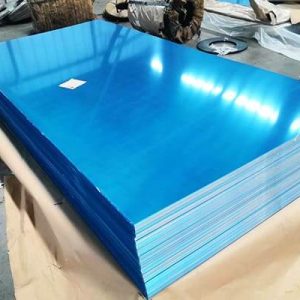
1.3 Langhe 3104 Aluminum Sheet Specifications
| Specification | Detail |
|---|---|
| Alloy | 3104 |
| Temper | H14, H16, H18, H19, H24, H26 |
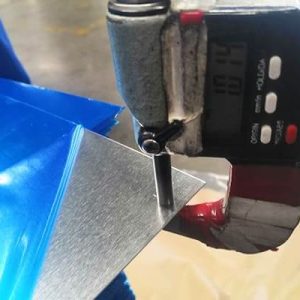
| Thickness Range | 0.15 mm – 6.0 mm |
| Width Range | Up to 2600 mm |
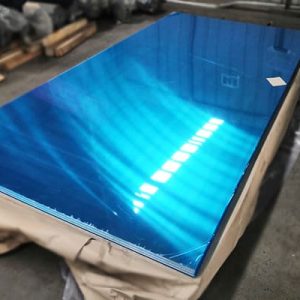
| Surface Finish | Mill finish, coated, anodized |
Langhe aluminum offers consistent quality and customization to meet diverse client specifications.
2. Chemical Composition and Mechanical Properties
Understanding the chemical and mechanical properties of 3104 aluminum sheet is critical for selecting the right material for engineering and industrial applications.
These attributes define the alloy’s performance under stress, its compatibility with fabrication methods, and its resistance to environmental conditions.
2.1 Chemical Composition of 3104 Alloy
3104 belongs to the 3xxx series, characterized by aluminum-manganese alloys with excellent corrosion resistance and moderate strength.
The addition of magnesium in this alloy further enhances its mechanical performance while retaining workability.
Here is a detailed breakdown of the typical chemical composition of 3104 aluminum:
| Element | Content (%) |
|---|---|
| Aluminum (Al) | Balance |
| Manganese (Mn) | 0.8 – 1.5 |
| Magnesium (Mg) | 0.8 – 1.3 |
| Iron (Fe) | ≤ 0.7 |
| Silicon (Si) | ≤ 0.6 |
| Copper (Cu) | ≤ 0.05 |
| Zinc (Zn) | ≤ 0.25 |
| Other Elements | ≤ 0.15 (Total) |
This controlled composition ensures a fine balance between strength and ductility, allowing the sheet to be drawn into complex shapes without cracking or splitting.
2.2 Mechanical Properties
From a mechanical standpoint, 3104 aluminum sheet performs remarkably well for medium-duty applications.
It offers sufficient strength while maintaining excellent elongation, which is essential for deep drawing and stamping operations.
| Property | Value Range |
|---|---|
| Tensile Strength | 220 – 275 MPa |
| Yield Strength | 190 – 240 MPa |
| Elongation (A50 mm) | 12% – 20% |
| Hardness (Brinell) | Approx. 45 HB |
These values can vary depending on the temper (e.g., H14, H16, H18), which is determined by the degree of cold working.
For instance, 3104-H19 exhibits higher tensile strength but lower elongation, making it more suitable for parts requiring rigidity rather than flexibility.
2.3 Physical Properties
In addition to its mechanical strengths, 3104 aluminum sheet demonstrates favorable physical properties that support thermal and electrical applications.
These characteristics are especially relevant in the electronics and packaging industries.
- Density: 2.72 g/cm³
- Melting Point: ~643°C (1189°F)
- Thermal Conductivity: ~130 W/m·K
- Electrical Conductivity: ~41% IACS
- Coefficient of Thermal Expansion: 23.1 µm/m·K
With its high thermal conductivity, 3104 facilitates efficient heat dissipation, making it a preferred choice for electronics housing and heat exchanger components.
2.4 Weldability and Formability
Another key advantage of 3104 aluminum is its excellent weldability.
It supports common welding methods such as:
- TIG (Tungsten Inert Gas) Welding
- MIG (Metal Inert Gas) Welding
- Resistance Spot Welding
Moreover, its high formability makes it ideal for deep drawing, spinning, bending, and roll forming.

These capabilities enable manufacturers to produce complex shapes like beverage can bodies and automotive panels with consistent quality and minimal waste.
According to industry data, over 80% of beverage cans globally are made from aluminum alloys such as 3104, primarily because of its ability to be drawn thin without compromising structural integrity.
3. Production Process of 3104 Aluminum Sheet
The quality and performance of 3104 aluminum sheets largely depend on their production process.
Understanding the manufacturing steps highlights why this alloy consistently meets rigorous industrial standards.
3.1 Rolling and Annealing Process
The production of 3104 aluminum sheet involves several key steps that ensure optimal mechanical properties and surface quality:
Casting:
Molten aluminum alloy is cast into large billets, forming the raw material for rolling.
Hot Rolling:
- Billets are heated above 400°C to maintain ductility.
- Thickness is significantly reduced.
- Grain structure is refined, improving strength and workability.
Cold Rolling:
- The hot-rolled sheets are further rolled at room temperature.
- Thickness is precisely controlled to meet specifications.
- Surface finish is improved.
- Material is work-hardened, increasing strength.
Annealing:
- Sheets are heated between 300°C and 400°C.
- Heat treatment relieves internal stresses.
- Enhances ductility and formability for subsequent manufacturing steps.
- Enables elongation values up to 20%, crucial for deep drawing applications.
This carefully controlled rolling and annealing process ensures 3104 aluminum sheets achieve a balanced combination of strength, flexibility, and surface quality.
3.2 Surface Treatment
Surface treatment plays a vital role in enhancing the corrosion resistance and aesthetics of 3104 aluminum sheets.
Common surface finishes include:
- Mill Finish: The natural surface after rolling, often smooth and ready for further processing.
- Anodizing: Electrochemical treatment that increases surface hardness and corrosion resistance. Though 3104 does not anodize as brightly as pure aluminum alloys, the process still enhances durability.
- Coatings: Organic coatings like polyester or epoxy paint can provide decorative finishes and additional protection, especially for outdoor applications such as roofing panels.
These surface treatments ensure that 3104 aluminum sheets maintain their integrity and appearance in harsh environments, extending their service life and reducing maintenance costs.
4. Applications of 3104 Aluminum Sheet
The 3104 aluminum alloy offers a compelling mix of strength, formability, and corrosion resistance.
Manufacturers leverage these attributes across diverse industries.
Below, we explore five principal application areas, illustrating how 3104 sheet delivers performance and value.
4.1 Beverage and Food Packaging Industry
3104’s exceptional formability and corrosion resistance make it a mainstay in can stock, especially for carbonated beverage and food cans.
Aluminum mills cold-roll 3104 to gauges as low as 0.18 mm, then anneal it to H19 or H18 temper, enabling high-speed can body drawing without cracking.
Beverage manufacturers favor 3104 for its:
- Food-Safe Surface: Exhibits no toxic leaching and complies with global food-contact safety standards.
- Excellent Sealability: Bonds reliably with internal polymer lacquers to preserve carbonation and prevent flavor loss.
- Recyclability: Achieves nearly 100% recovery in closed-loop can recycling systems, reducing environmental impact.
A typical 3104 can body shows wall thickness of around 0.20 mm, tensile strength ≥ 275 MPa, and elongation up to 20%—ideal for drawing long, seamless can bodies.
4.2 Construction and Building Materials
Builders use 3104 sheet in architectural components such as gable trims, fascia panels, and metal roofing.
Its lightweight nature (2.69 g/cm³) simplifies handling on-site, while the alloy’s corrosion resistance provides longevity against moisture and industrial pollutants:
| Component | Typical Gauge | Key Benefit |
|---|---|---|
| Roofing Panels | 0.6–1.0 mm | Long service life, ease of installation |
| Cladding & Fascia | 0.5–1.2 mm | High dimensional stability, minimal maintenance |
| Gutters & Downspouts | 0.8–1.5 mm | Excellent formability, leak-free bends |
Contractors often apply PVDF coatings to 3104 sheet for vibrant, fade-resistant finishes that endure both sun and rain, making them suitable for high-end architectural applications.
4.3 Automotive Industry
Automakers turn to 3104 for lightweight body panels, battery casings in electric vehicles, and interior decorative trims.
The alloy’s mechanical and chemical characteristics support automotive design in several ways:
- Weight Reduction: Thinner sheets help reduce vehicle mass, improving fuel economy or electric driving range.
- Crash Performance: High elongation (up to 20%) allows 3104 to absorb energy under impact without brittle fracture.
- Surface Treatment: It responds well to anodizing and painting, enabling durable and attractive finishes for visible panels.
EV manufacturers in particular rely on 3104 for battery enclosure structures, where strength and corrosion resistance are essential for safety and performance.
4.4 Consumer Electronics and Appliances
The combination of thermal conductivity, shielding performance, and aesthetic adaptability makes 3104 aluminum sheet ideal for electronics enclosures, appliance casings, and heat sinks:
- Heat Management: Its high thermal conductivity (approximately 205 W/m·K) efficiently dissipates heat in compact electronic systems such as laptops and LED lighting.
- EMI/RFI Shielding: 3104 provides excellent electromagnetic interference protection when used in enclosures or shield panels.
- Aesthetic Finishes: It supports brushed, anodized, or powder-coated surfaces, creating a sleek look for refrigerators, air conditioners, and consumer electronics.
Manufacturers value 3104 for being easily press-formed or brake-formed, which allows for the creation of intricate shapes while maintaining structural integrity.

4.5 Other Industrial Uses
Beyond the primary sectors, 3104 aluminum sheet serves a variety of specialized industrial needs:
- Pressure Vessels & Tanks: Engineers weld and roll-form 3104 into chemical storage tanks and food-grade containers.
- Piping & Ductwork: The alloy withstands corrosion from HVAC systems, chemical fumes, and moisture-laden air, making it ideal for industrial ventilation.
- Fabricated Components: It is used in manufacturing heat exchangers, mechanical brackets, and lightweight structural parts that require both strength and formability.
In each case, the combination of durability, weight efficiency, and processing flexibility makes 3104 an excellent material solution.
5. Advantages of 3104 Aluminum Sheet
3104 aluminum sheet offers a balanced mix of strength, corrosion resistance, and formability, making it suitable for many industries.
Lightweight with Good Strength
With tensile strength between 220 and 275 MPa and a low density of 2.72 g/cm³, 3104 provides solid strength without added weight.
This helps reduce energy consumption in automotive and packaging applications.
Strong Corrosion Resistance
The alloy forms a protective oxide layer thanks to manganese and magnesium, making it resistant to corrosion in outdoor and mild environments.
This durability lowers maintenance costs.
Excellent Formability
Its high ductility allows easy shaping through bending, deep drawing, and stamping.
With elongation up to 20%, it performs well in complex manufacturing processes.
Versatile Joining Options
3104 can be welded, riveted, or bonded with adhesives, supporting efficient assembly and strong joints.
Good Surface Finishing
It supports anodizing, painting, and powder coating, enhancing appearance and protection against wear and corrosion.
Cost-Effective and Accessible
3104 is economical compared to higher-strength alloys and is widely available, ensuring stable supply and competitive pricing.
Recyclable and Environmentally Friendly
Like all aluminum, 3104 is highly recyclable, saving energy and supporting sustainability efforts.
6. 3104 Aluminum Sheet Comparison with other alloys
Selecting the right aluminum alloy depends on balancing strength, corrosion resistance, formability, and cost.
Below is a detailed comparison of 3104 with five commonly used alloys: 3003, 5052, 1100, and 6061.
| Property | 3104 Aluminum | 3003 Aluminum | 5052 Aluminum | 1100 Aluminum | 6061 Aluminum |
|---|---|---|---|---|---|
| Strength | Medium (220-275 MPa) | Low-Medium (145-210 MPa) | High (280-350 MPa) | Very Low (90-110 MPa) | High (275-310 MPa) |
| Corrosion Resistance | High | High | Very High | Excellent | Good |
| Formability | Excellent | Excellent | Good | Excellent | Moderate |
| Weldability | Good | Good | Excellent | Excellent | Good |
| Surface Finish | Smooth, anodizable | Smooth, anodizable | Smooth, corrosion resistant | Very smooth, excellent for decorative | Smooth, anodizable |
| Cost | Moderate | Low | Higher | Low | Higher |
To begin with, 1100 aluminum is the purest among these alloys, offering excellent corrosion resistance and superb formability, but its low strength limits structural applications.
It is ideal for decorative and chemical applications.
Next, 6061 is a heat-treatable alloy that provides high strength and good corrosion resistance, widely used in structural and aerospace industries.
However, its lower formability makes it less suitable for complex shaping compared to 3104.
In comparison, 3104 provides moderate strength and excellent formability, making it versatile for packaging, construction, and automotive parts where moderate durability and shaping capability are necessary.
Additionally, 3003 aluminum sheet is similar to 3104 but with slightly lower strength, making it a cost-effective option for decorative and light-duty structural uses.
Moreover, 5052 stands out for its superior corrosion resistance and higher strength but costs more and has limited formability.
Overall, 3104 offers a balanced combination of strength, corrosion resistance, and formability at a moderate cost, making it suitable for many general-purpose applications.
7. Processing and Fabrication Notes
7.1 Cutting, Punching, and Bending
3104 aluminum sheet offers excellent machinability, making cutting, punching, and bending straightforward and precise.
The alloy’s high ductility ensures clean edges and minimal burr formation during cutting operations, which reduces the need for secondary finishing.
Additionally, 3104’s formability supports tight bending radii without cracking, enabling complex shapes and designs essential for various industrial applications.
CNC machines and laser cutters achieve high accuracy, enhancing production efficiency.
7.2 Heat Treatment Compatibility
As a non-heat-treatable alloy, 3104 relies primarily on cold working for strengthening rather than thermal treatments.
Heat exposure during fabrication must be controlled carefully to avoid over-annealing, which can reduce mechanical strength.
Instead, manufacturers commonly use annealing to restore ductility after cold working.
This balance between strength and flexibility enables 3104 sheets to meet stringent forming and structural requirements without compromising performance.
7.3 Joining Techniques (Riveting, Welding, Adhesives)
3104 aluminum sheet supports multiple joining methods suited for diverse assembly needs:
- Riveting: Ideal for mechanical fastening in automotive and packaging industries, providing strong, reliable joints without heat distortion.
- Welding: TIG and MIG welding work well with 3104, offering clean welds and good mechanical properties in joints, especially when using compatible filler materials.
- Adhesives: Structural adhesives complement mechanical and welded joints, enabling smooth, corrosion-resistant seams, and supporting lightweight assemblies in consumer electronics and appliances.
These joining techniques ensure versatility during fabrication, allowing manufacturers to choose the best method for strength, appearance, and durability based on the final application.
8. Quality Standards and Certifications
Reliable 3104 aluminum sheets meet key international standards to ensure quality and safety:
- ASTM B209: Sets requirements for chemical composition, mechanical properties, and dimensions.
- ISO 9001: Ensures consistent manufacturing quality and continuous improvement.
- RoHS Compliance: Confirms low levels of hazardous substances, important for electronics.
- REACH Registration: Meets European safety and environmental regulations.
These certifications guarantee product reliability, traceability, and eco-friendliness.
9. FAQ About 3104 Aluminum Sheet
Q: Is 3104 suitable for deep drawing?
Yes, it excels in deep drawing and spinning processes due to high elongation.
Q: Can it be anodized or coated?
Yes, it responds well to anodizing and a wide variety of organic coatings.
Q: How does it compare with 5052 in marine applications?
5052 is superior in saltwater environments, but 3104 remains viable in moderately corrosive conditions with coatings.
Q: Is 3104 recyclable?
Yes, like most aluminum alloys, it is 100% recyclable without loss in quality.
10. Conclusion
3104 aluminum sheet is a trusted, high-performance material tailored for modern manufacturing needs.
With excellent corrosion resistance, cost-effectiveness, and formability, it fits a wide spectrum of applications — from food packaging to automotive systems.
Its broad compatibility with fabrication techniques and environmental certifications ensures it remains a leading choice in industries prioritizing performance and sustainability.
For engineers and manufacturers seeking an aluminum alloy that balances economy, durability, and workability, 3104 remains a superior solution.
Related products
-

 Aluminum Sheet Plate, Products
6005 Aluminum Sheet
Name
6005 Aluminum SheetThickness
0.3-6.0 mmWidth
1000 mm – 2600 mm,CustomizeSurface
Bright, polished, hair line, brush, sand blast, checkered, embossed, etching, etc.Technical
Wrought alloy、Cold rolling (CC)、Heat treated (T4/T6) -
 Aluminum Sheet Plate, Products
6082 Aluminum Sheet Plate
Name
6082 Aluminum Sheet PlateThickness
0.3-200mmWidth
100mm – 2600mm,CustomizeSurface
Bright, polished, hair line, brush, sand blast, checkered, embossed, etching, etc.Technical
Hot rolled (DC)、Cold rolling (CC) -

 Aluminum Sheet Plate
High‑Strength 2024 Aluminum Sheet Plate – Superior Lightweight Performance
¥6,800.00Elevate your projects with 2024 Aluminum Sheet Plate, offering an exceptional strength‑to‑weight ratio, outstanding corrosion resistance, and reliable fatigue strength—ideal for aerospace, automotive, and marine applications.
-
 Aluminum Sheet Plate
5454 Aluminum Sheet Plate
¥3,600.00Choose 5454 Aluminum Sheet Plate for lightweight strength in marine decks, chemical vessels, and pressure containers. Proven reliability, easy fabrication.
-
Aluminum Sheet Plate
5182 Aluminum Sheet Plate
¥3,650.00Choose high‑performance 5182 aluminum sheet plate for exceptional formability, weldability, and lasting durability in marine, automotive, and industrial uses.
-
 Aluminum Sheet Plate
5083 Aluminum Sheet
¥3,780.00Discover high-performance 5083 aluminum sheet, engineered for shipbuilding, automotive, and structural applications. Superior corrosion resistance, weldability, and durability.
-
 Aluminum Sheet Plate
5005 Aluminum Sheet
¥3,680.00Unlock the potential of 5005 aluminum sheet, ideal for superior anodized finishes in architectural, decorative, and electrical uses. Learn its benefits and why it stands out.
-
 Aluminum Sheet Plate
5052 Aluminum Sheet
¥5,880.005052 aluminum sheet belongs to the 5000 series aluminum alloy. The main added element is Mg. It is obtained by rolling the aluminum alloy. It has strong corrosion resistance and…
-

 Aluminum Sheet Plate
6061 Aluminum Sheet
¥5,450.006061 aluminum sheet provided by Langhe-Alu is a popular industrial material. With its excellent comprehensive performance, it is widely used in aerospace, machinery manufacturing, shipbuilding, automotive industry and architectural decoration.
-
 Aluminum Sheet Plate
2219 T37 Aluminum Sheet
¥10,714.002219 T37 aluminum sheet is a high-strength alloy sheet in the 2000 series aluminum alloy, which is widely used in aerospace, marine engineering, high temperature environment and other fields.