





Contents
show
1. Introduction to 3105 Aluminum Sheet
1.1 Definition and Alloy Classification
3105 aluminum sheet belongs to the 3xxx series of non-heat-treatable aluminum-manganese-magnesium alloys (Al-Mn-Mg), specifically designed for applications requiring a balanced combination of formability, corrosion resistance, and moderate strength.
With a nominal composition of 1.0% manganese and 0.5% magnesium, it bridges the gap between pure aluminum and higher-strength alloys, offering superior workability while maintaining reliable mechanical properties.
1.2 Core Advantages
- Exceptional Formability: Ideal for complex shapes via stamping, roll forming, and deep drawing (e.g., architectural panels, beverage containers).
- Corrosion Resistance: Natural aluminum oxide layer provides robust protection against atmospheric moisture, making it suitable for outdoor applications without additional coatings.
- Lightweight Strength: Density of 2.7 g/cm³ with tensile strength up to 210 MPa (H34 temper), enabling 40-50% weight savings compared to steel.
- Cost Efficiency: Lower raw material and processing costs than 5xxx or 6xxx series alloys, making it a cost-effective choice for high-volume manufacturing.
1.3 Industrial Significance
3105 is a cornerstone material in industries demanding lightweight, formable, and durable solutions:
- Construction: Dominates roofing, siding, and curtain walls in commercial and residential buildings.
- Packaging: Critical for food and beverage containers, leveraging its deep drawability and food-grade safety.
- Transportation: Used in automotive body panels, railcar components, and aircraft interiors for weight reduction.
2. Material Analysis: Composition and Properties
2.1 Chemical Composition (ASTM B209 Compliance)
| Element | Weight % | Role in Alloy Performance |
|---|---|---|
| Aluminum (Al) | Balance | Provides ductility and corrosion resistance as the base metal. |
| Manganese (Mn) | 0.8–1.3 | Strengthens the alloy through solid solution hardening; improves resistance to intergranular corrosion. |
| Magnesium (Mg) | 0.5–1.0 | Enhances work hardening response and formability during cold rolling. |
| Silicon (Si) | ≤0.30 | Minimized to prevent brittle silicon-aluminum phase formation. |
| Iron (Fe) | ≤0.70 | Controls grain size and balances cost without compromising ductility. |
| Copper (Cu) | ≤0.20 | Restricted to maintain non-heat-treatable characteristics. |
2.2 Mechanical Properties by Temper
| Temper | Tensile Strength (MPa) | Yield Strength (MPa) | Elongation (%) | Hardness (HB) | Typical Applications |
|---|---|---|---|---|---|
| O (Annealed) | 130–170 | 50–80 | 18–22 | 30–40 | Deep drawing (e.g., can bodies, trays) |
| H14 (1/2 Hard) | 180–220 | 140–180 | 8–12 | 50–60 | Stamped parts, roofing sheets |
| H34 (3/4 Hard) | 200–240 | 160–200 | 6–10 | 60–70 | Structural components, railcar panels |
| H18 (Full Hard) | 220–260 | 180–220 | 4–8 | 70–80 | High-strength brackets, industrial frames |
2.3 Physical Properties
- Density: 2.7 g/cm³ (66% lighter than steel, 30% lighter than copper).
- Thermal Conductivity: 190 W/m·K, suitable for heat dissipation in electrical enclosures and HVAC systems.
- Electrical Conductivity: 35% IACS (International Annealed Copper Standard), used in low-voltage wiring and connectors.
- Melting Range: 640–655°C, compatible with standard hot-forming and welding processes.
- Coefficient of Thermal Expansion: 23.2 × 10⁻⁶/°C, requiring thermal stress management in large-scale installations.
2.4 Alloy Comparison: 3105 vs. Competitors
| Alloy | Primary Difference | Strength (H34) | Formability | Corrosion Resistance | Typical Use Case |
|---|---|---|---|---|---|
| 3105 | Balanced Mn-Mg for formability | 210 MPa | Excellent | Very good (atmospheric) | Roofing, beverage cans |
| 3003 | Lower Mg content (0.1–1.0%) | 180 MPa | Good | Good | General sheet metal work |
| 3104 | Higher Mg (0.8–1.3%) | 240 MPa | Excellent | Very good | Deep-drawn packaging |
| 5052 | Mg-based (2.5% Mg, 5xxx series) | 260 MPa | Excellent | Excellent (marine) | Marine structures, hydraulic parts |
3. Manufacturing Process: From Alloy to Sheet
3.1 Alloy Preparation and Casting
- Melting: High-purity aluminum (99.5%) is melted with precise Mn (1.0%) and Mg (0.7%) additions in gas-fired furnaces at 730–760°C.
- Degassing: Argon or nitrogen bubbling removes hydrogen (target ≤0.1 cm³/100g) to prevent porosity.
- Casting: Direct chill (DC) casting produces billets (150–500 mm diameter) with uniform grain structure (ASTM grain size 5–8).
3.2 Hot Rolling and Cold Rolling
- Hot Rolling (450–500°C):
- Reduces billet thickness to 3–10 mm, breaking down dendritic structure for improved formability.
- Edge conditioning ensures uniform width (tolerance ±0.5 mm).
- Cold Rolling:
- Further thinned to final thickness (0.2–6.0 mm) in multiple passes, with intermediate annealing (350°C, 2 hours) to restore ductility.
- Precision gauge control (±1% thickness tolerance) via automated roll gap adjustment.
3.3 Heat Treatment and Tempering
- Annealing (O Temper): Heating to 380–420°C for 4–6 hours, followed by air cooling, to achieve maximum ductility for deep drawing.
- Strain Hardening (Hx4 Tempers): Cold working increases strength; H14 (25% cold reduction) and H34 (50% cold reduction) are most common for balancing strength and formability.
3.4 Surface Treatment Options
- Mill Finish: As-rolled surface (Ra 12.5–25 μm) for non-critical applications (e.g., internal components).
- Anodizing:
- Electrochemical oxidation creates 5–25 μm Al₂O₃ layer, enhancing corrosion resistance (ideal for architectural panels, salt-spray resistance ≥1,000 hours).
- Pre-Painted Coatings:
- PVDF (Kynar) or polyester coatings applied via roll-coating for color stability (AAMA 2604 compliance), with 20+ year UV resistance.
- Lubrication for Forming:
- Synthetic ester-based lubricants reduce friction during deep drawing, preventing surface defects (e.g., earing in beverage cans).
4. Industrial Applications: Where 3105 Shines
4.1 Construction and Architecture
Roofing and Siding
- Corrugated Sheets (H14 Temper):
- Thickness: 0.5–1.5 mm, ideal for industrial sheds and residential roofing.
- Advantages: Lightweight (reduces structural load), corrosion resistance (20+ year lifespan in urban environments), and easy installation.
- Curtain Walls and Facades:
- Anodized 3105 aluminum sheet (H34 temper, 1.0–3.0 mm) for high-rise buildings, combining aesthetic appeal with resistance to acid rain and UV radiation.
Interior Design
- Ceiling Tiles and Partitions: Annealed O-temper sheets (0.3–0.8 mm) with embossed or perforated finishes for acoustic and decorative purposes in commercial spaces.
4.2 Packaging Industry
Beverage and Food Containers
- Can Bodies (O Temper, 0.2–0.3 mm): Deep-drawn into seamless cans for carbonated drinks, leveraging high formability and leak resistance. Compliance: Meets FDA 21 CFR 176.170 for direct food contact.
- Easy-Open Ends (H34 Temper, 0.3–0.5 mm): High yield strength (200 MPa) ensures lid retention and safe opening force (5–8 N).
Industrial Packaging
- Foil Trays and Containers:
- Annealed sheets for oven-ready meal trays, withstanding 220°C for 30 minutes without deformation.
4.3 Transportation Sector
Automotive Applications
- Body Panels (H14 Temper, 0.8–1.2 mm):
- Reduces vehicle weight by 30% compared to steel, improving fuel efficiency (e.g., SUV door panels, hoods).
- Crashworthiness: High elongation (10%) absorbs impact energy effectively.
- Fuel Tanks:
- Corrosion-resistant sheets (1.0–1.5 mm) for diesel and gasoline storage, with weldability ensuring leak-free joints.
Rail and Aerospace
- Railcar Components: H34 temper sheets (1.5–3.0 mm) for lightweight flooring and interior panels in high-speed trains (e.g., CRH380 series in China).
- Aircraft Interiors: Anodized 3105 for overhead bins and cabin dividers, meeting FAA flammability standards (14 CFR Part 25).

4.4 Industrial and Consumer Goods
Industrial Equipment
- Heat Exchangers: High thermal conductivity enables efficient heat transfer in HVAC systems and refrigeration units.
- Machinery Guards: H34 temper sheets (2.0–4.0 mm) for protective enclosures, balancing strength and ease of fabrication.
Consumer Electronics
Appliance Panels: Pre-painted H14 sheets for refrigerators and washing machines, offering scratch resistance and color fastness.
Laptop Chassis: Lightweight (0.8 mm) and formable, used in budget-friendly devices requiring structural rigidity.
5. Design and Engineering Considerations
5.1 Thickness and Temper Selection Guide
| Application Requirement | Recommended Temper | Thickness Range (mm) | Key Performance Criteria |
|---|---|---|---|
| Deep drawing (e.g., cans) | O (Annealed) | 0.2–0.5 | Maximum ductility, low yield strength |
| Stamping/roll forming | H14 (1/2 Hard) | 0.5–2.0 | Balanced strength and formability |
| Structural components | H34 (3/4 Hard) | 1.0–4.0 | Higher tensile strength (200–240 MPa) |
| High-strength brackets | H18 (Full Hard) | 2.0–6.0 | Maximum work-hardened strength |
5.2 Joining Techniques
- Welding:
- TIG Welding: Preferred for aesthetic joints; use 5356 filler wire (Al-Mg) to match corrosion resistance.
- MIG Welding: Suitable for thick sections (≥3 mm); preheat to 100–150°C to prevent cold cracking.
- Mechanical Fastening: Self-piercing rivets for thin sheets (≤1.5 mm) to avoid pre-drilling, common in automotive assembly.
5.3 Forming Best Practices
- Deep Drawing:
- Use punch radius ≥3x sheet thickness to minimize cracking; lubricate with chlorinated paraffins for high-strength tempers.
- Bending:
- Minimum bend radius = 2x sheet thickness for H14 temper, 3x for H34 to prevent edge cracking.
5.4 Quality Assurance Standards
Material Certifications:
ASTM B209 (aluminum sheet and plate), EN 10002-1 (tensile testing), and ISO 7599 (anodized coatings).
Testing Protocols:
Dimensional Inspection: Laser scanning for thickness (±1%) and flatness (≤3 mm/m).
Metallographic Analysis: Ensures nodular graphite count (for cast products) and grain size (ASTM E112).

6. FAQ: Answering Key Questions
Q1: Is 3105 aluminum sheet heat-treatable?
No, 3105 aluminum sheet is a non-heat-treatable alloy.
Its strength comes from cold working (strain hardening) rather than heat treatment, making tempers like H14 and H34 the primary methods for property adjustment.
Q2: How does 3105 perform in marine environments?
While 3105 resists atmospheric corrosion, direct saltwater exposure requires additional protection.
Use 5xxx series alloys (e.g., 5052) for marine applications, or apply zinc-rich epoxy coatings (50–100 μm) to 3105 for coastal structures.
Q3: Can 3105 be used for high-temperature applications?
3105 is suitable for short-term exposure up to 250°C. Prolonged use above 150°C may reduce formability; consider 6xxx series alloys (e.g., 6061) for higher-temperature structural needs.
Q4: What is the typical cost of 3105 aluminum sheet?
Cost ranges from (2.50–)4.50 per kg, depending on thickness and temper.
This is 10–15% more expensive than 3003 but 20–30% cheaper than 5052, offering a cost-effective middle ground.
Q5: How to recycle 3105 scrap?
3105 is 100% recyclable. Scrap is sorted by alloy type, melted in reverberatory furnaces, and realloyed to maintain composition.
Recycling reduces energy consumption by 95% compared to primary production.
7. Conclusion
3105 aluminum sheet embodies the perfect balance of formability, corrosion resistance, and cost efficiency, making it a staple in industries ranging from construction to consumer goods.
Its unique Mn-Mg alloy composition and wide temper range allow engineers to tailor properties for diverse applications, from delicate beverage cans to robust structural panels.
While it may not excel in extreme environments like marine or high-temperature settings, its performance in moderate conditions is unmatched at its price point.
As sustainability becomes a global priority, 3105’s recyclability and lightweight design further enhance its appeal, supporting energy-efficient solutions in transportation and construction.
By understanding its mechanical behavior, manufacturing nuances, and application best practices, industries can leverage 3105 to create products that are not only functional and durable but also economically and environmentally responsible.
In the world of aluminum engineering, 3105 aluminum sheet stands as a testament to the power of balanced design—proving that excellence lies in the sweet spot between performance and practicality.
Related products
-

 Aluminum Sheet Plate, Products
6005 Aluminum Sheet
Name
6005 Aluminum SheetThickness
0.3-6.0 mmWidth
1000 mm – 2600 mm,CustomizeSurface
Bright, polished, hair line, brush, sand blast, checkered, embossed, etching, etc.Technical
Wrought alloy、Cold rolling (CC)、Heat treated (T4/T6) -

 Aluminum Sheet Plate
High‑Strength 2024 Aluminum Sheet Plate – Superior Lightweight Performance
¥6,800.00Elevate your projects with 2024 Aluminum Sheet Plate, offering an exceptional strength‑to‑weight ratio, outstanding corrosion resistance, and reliable fatigue strength—ideal for aerospace, automotive, and marine applications.
-
 Aluminum Sheet Plate
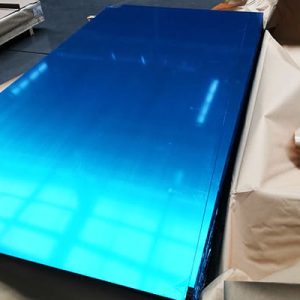
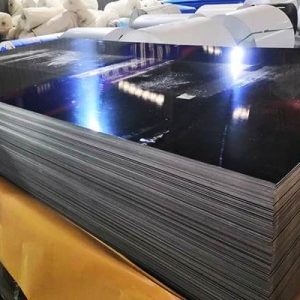
6063 Aluminum Sheet: Achieve Flawless Finishes
¥5,800.00Known for its exceptional surface quality and superior anodizing response, 6063 Aluminum Sheet is the ideal material for architectural trim, decorative components, and applications where aesthetics are paramount.
-

 Aluminum Sheet Plate
Amazing 2024 Aluminum Sheet – The Ultimate Strength Breakthrough
¥6,500.00Explore premium 2024 aluminum sheet, offering exceptional fatigue resistance and elevated tensile strength for aerospace, defense, and high‑performance engineering. Available in T3, T4, and T6 tempers.
-

 Aluminum Sheet Plate
Honeycomb aluminum panel
¥4,500.00Discover how honeycomb aluminum panel deliver superior flexural stiffness, thermal insulation, and fire safety—all at 70% less weight than solid metal. Ideal for façades, aerospace, and industrial design.
-

 Aluminum Sheet Plate
1070 Aluminum Sheet Plate
¥3,300.00Explore the chemical composition, corrosion resistance, and manufacturing process of 1070 aluminum sheet. See why engineers choose it for bus bars, heat exchangers, and decorative panels.
-
 Aluminum Sheet Plate
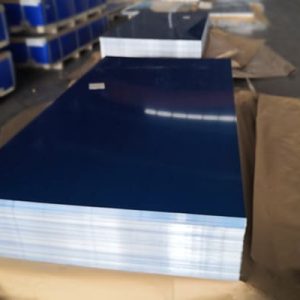
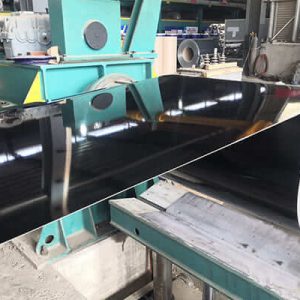
5005 Aluminum Sheet
¥3,680.00Unlock the potential of 5005 aluminum sheet, ideal for superior anodized finishes in architectural, decorative, and electrical uses. Learn its benefits and why it stands out.
-

 Aluminum Sheet Plate
1000 Series Aluminum Sheet
¥3,250.001000 series aluminum sheet: known for its excellent corrosion resistance, high electrical conductivity, and formability. Ideal for applications in chemical equipment, food processing, and architectural projects
-
 Aluminum Sheet Plate
1050 Aluminum Sheet
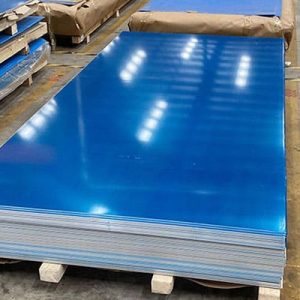
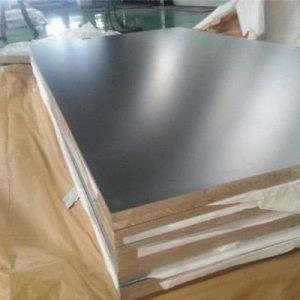
¥3,428.001050 aluminum sheet is a commercially pure aluminum alloy (99.5% aluminum content) that belongs to the 1000 series of aluminum alloys.
-
 Aluminum Sheet Plate
2219 T37 Aluminum Sheet
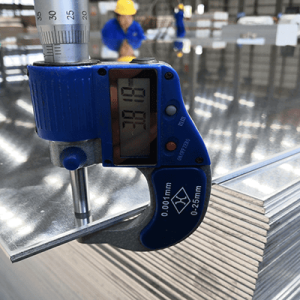
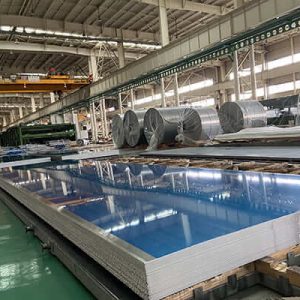
¥10,714.002219 T37 aluminum sheet is a high-strength alloy sheet in the 2000 series aluminum alloy, which is widely used in aerospace, marine engineering, high temperature environment and other fields.