

Contents
show
1. Introduction
1.1 Introduction to 1100 Aluminum Sheet
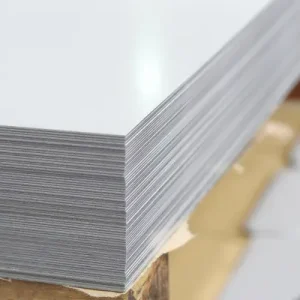
1100 aluminum sheet is one of the most widely used products in the aluminum industry, belonging to the 1xxx series.
It is made from nearly pure aluminum, typically containing at least 99% aluminum, which endows it with exceptional ductility, excellent corrosion resistance, and high thermal and electrical conductivity.
Although 1100 aluminum has lower mechanical strength than many alloyed aluminum grades, its superior formability and reflectivity make it ideal for applications prioritizing appearance, weight, and conductivity.
In many industries—from architectural cladding to electrical components—1100 aluminum sheet plays a crucial role.
Its versatility allows it to be used in a variety of applications, where its characteristics such as low density, ease of fabrication, and recyclability are highly valued.
1100 aluminum sheet, 1050 aluminum sheet and 1060 aluminum sheet are all common alloys in 1000 series aluminum sheets.
1.2 Importance of 1100 Aluminum Sheet in Industry
The importance of 1100 aluminum sheet in the industry cannot be overstated.
It is a material that strikes an optimal balance between performance and cost-effectiveness, making it a preferred choice in many applications.
Key factors include:
- Lightweight Nature: With a low density, 1100 aluminum sheet reduces overall weight, which is crucial in transportation, aerospace, and structural applications.
- Excellent Corrosion Resistance: Its high purity ensures that it develops a natural oxide layer, protecting it from environmental degradation.
- High Conductivity: Ideal for electrical and thermal applications, 1100 aluminum sheet is commonly used in heat exchangers and wiring.
- Superior Formability: Its excellent workability allows manufacturers to produce complex shapes and designs with minimal processing.
- Aesthetic Appeal: The natural reflective quality of 1100 aluminum adds a premium look to decorative applications.
As industries increasingly demand sustainable, lightweight, and high-performance materials, 1100 aluminum sheet remains a cornerstone in manufacturing, further emphasized by its cost-efficiency and recyclability.
2. Basic Characteristics of 1100 Aluminum Sheet
Understanding the basic characteristics of 1100 aluminum sheet is essential for its effective application in various industries.
This section examines its chemical composition, physical properties, and mechanical properties.
2.1 Chemical Composition
1100 aluminum is renowned for its high purity. Its chemical composition is carefully controlled to ensure consistent performance.
Below is a typical chemical composition table for 1100 aluminum sheet:
| Element | Composition (%) | Remarks |
|---|---|---|
| Aluminum (Al) | ≥ 99.0 | Primary element |
| Iron (Fe) | ≤ 0.95 | Trace impurity; should be minimal |
| Silicon (Si) | ≤ 0.50 | Trace levels present |
| Copper (Cu) | ≤ 0.05 | Minimal, ensures high purity |
| Manganese (Mn) | ≤ 0.05 | Very low content |
| Magnesium (Mg) | ≤ 0.05 | Typically negligible |
| Zinc (Zn) | ≤ 0.20 | Minimal |
| Others | ≤ 0.15 | Residual impurities |
Note: The specific composition may vary slightly depending on the supplier and product specification. The high aluminum content is key to its excellent conductivity and corrosion resistance.
2.2 Physical Properties
1100 aluminum sheet exhibits several notable physical properties:
- Density: Approximately 2.70 g/cm³, making it exceptionally lightweight compared to steel.
- Melting Point: Around 660°C, which influences its processing methods.
- Thermal Conductivity: High thermal conductivity facilitates effective heat dissipation.
- Electrical Conductivity: High conductivity makes it ideal for electrical applications.
- Reflectivity: The natural bright finish of 1100 aluminum enhances its aesthetic appeal, particularly in decorative applications.
| Property | Typical Value | Significance |
|---|---|---|
| Density | ~2.70 g/cm³ | Low weight, essential for transportation and structural applications |
| Melting Point | ~660°C | Affects processing techniques such as rolling and extrusion |
| Thermal Conductivity | 205-235 W/m·K | Efficient heat dissipation, crucial for heat exchangers |
| Electrical Conductivity | ~61% IACS | Suitable for electrical components |
| Reflectivity | High (with proper finish) | Enhances visual appeal in architectural and decorative uses |
2.3 Mechanical Properties
While 1100 aluminum sheet is not as strong as higher alloyed counterparts, its mechanical properties meet the needs of many applications requiring high formability.
Its mechanical properties include:
- Tensile Strength: Generally around 90-110 MPa.
- Yield Strength: Typically ranges from 35-55 MPa.
- Elongation: Good ductility with elongation percentages up to 35-40%.
- Hardness: Relatively low, making it easy to form and machine.
| Mechanical Property | Range (1100 Aluminum) | Importance |
|---|---|---|
| Ultimate Tensile Strength | 90-110 MPa | Ensures sufficient strength for non-structural applications |
| Yield Strength | 35-55 MPa | Reflects resistance to permanent deformation |
| Elongation | 35-40% | High ductility aids in forming processes |
| Hardness | Low (Brinell ~20-30) | Facilitates machining and bending |
3. Production and Manufacturing Process
The production of 1100 aluminum sheet involves several well-defined steps to ensure high quality and consistency.
3.1 Overview of Production Process
- Raw Material Selection: Manufacturers choose high-purity aluminum ingots based on stringent quality standards.
- Melting and Casting: The aluminum is melted in a furnace and cast into large billets or slabs.
- Rolling Process: Workers hot-roll and then cold-roll the cast slabs to reduce thickness and achieve the desired dimensions.
- Annealing: The rolled aluminum is annealed to relieve internal stresses and improve ductility.
- Surface Treatment: Optional processes such as cleaning, polishing, or anodizing enhance the sheet’s finish.
- Cutting and Slitting: The finished sheets are cut and slit to specific dimensions.
- Quality Inspection: Rigorous testing ensures that the sheet meets all mechanical and chemical specifications.
3.2 Surface Treatment Technology
Surface treatments improve both the performance and appearance of 1100 aluminum sheet:
- Polishing: Improves surface smoothness and enhances reflectivity.
- Anodizing: Forms a protective oxide layer, enhancing corrosion resistance and allowing for color customization.
- Powder Coating: Provides a durable, decorative finish.
- Chemical Cleaning: Removes impurities to prepare the surface for subsequent treatments.
3.3 Quality Control
Quality control is an integral part of the manufacturing process. The following methods are commonly used:
- Chemical Composition Analysis: Ensures that the aluminum meets the required purity standards.
- Dimensional Measurements: Verifies the thickness, width, and length of the sheets.
- Mechanical Testing: Includes tensile tests, yield strength tests, and elongation measurements.
- Surface Inspection: Uses visual checks, profilometry, and other techniques to ensure a smooth and defect-free surface.
- Non-Destructive Testing (NDT): Techniques like ultrasonic testing help detect internal defects without damaging the material.
4. Main Advantages of 1100 Aluminum Sheet
1100 aluminum sheet offers several distinct advantages that make it popular in a variety of applications:
4.1 High Purity and Excellent Conductivity
- Electrical Applications: Its high purity ensures superior electrical conductivity, making it suitable for electronic and electrical applications.
- Thermal Management: High thermal conductivity facilitates effective heat dissipation, crucial for LED lighting and heat sinks.
4.2 Superior Corrosion Resistance
- Natural Oxide Formation: The high aluminum content allows for the rapid formation of a protective oxide layer, providing excellent resistance against corrosion.
- Low Maintenance: Its resistance to rust and degradation reduces maintenance costs over time.
4.3 High Formability and Ease of Fabrication
- Ductility: High elongation and low hardness make it easy to form, bend, and machine.
- Versatility: Suitable for a wide range of fabrication processes, including stamping, deep drawing, and bending.
4.4 Lightweight
- Low Density: With a density of approximately 2.70 g/cm³, 1100 aluminum sheet contributes to reduced weight in various applications.
- Energy Efficiency: Lightweight components improve efficiency in transportation and reduce overall material handling costs.
4.5 Environmental Sustainability
- Recyclability: Aluminum is 100% recyclable without losing its properties, promoting a circular economy.
- Low Carbon Footprint: Energy-efficient manufacturing processes and recyclability make it an eco-friendly material.
5. Main Application Areas of 1100 Aluminum Sheet
1100 aluminum sheet finds application across numerous industries due to its unique properties.
Below are some of the major application areas:
5.1 Construction and Decoration
- Architectural Cladding: 1100 aluminum provides an attractive, reflective finish for building facades and interior decorations.
- Window and Door Frames: Its excellent corrosion resistance and ease of fabrication make it ideal for lightweight, durable frames.
- Roofing Materials: Used in roofing panels where both aesthetics and weather resistance are required.
5.2 Electronics and Electrical Appliances
- Heat Sinks: Its high thermal conductivity makes 1100 aluminum a popular choice for dissipating heat in electronic devices.
- Conductive Components: Employed in circuit boards and other electronic parts due to its excellent electrical conductivity.
- Consumer Appliances: Used in the manufacturing of refrigerators, washing machines, and air conditioners.
5.3 Food Packaging
- Foil and Containers: The non-toxic, corrosion-resistant nature of 1100 aluminum sheet makes it ideal for food packaging applications.
- Beverage Cans: Provides an inert surface that does not react with food or drinks.
5.4 Transportation
- Automotive Components: Used in manufacturing lightweight car body panels, engine parts, and structural components to improve fuel efficiency.
- Aerospace Applications: Employed in non-structural parts and interior components where weight savings and corrosion resistance are critical.
- Rail and Marine: Used in components requiring durability and light weight for improved energy efficiency.
5.5 Industrial Equipment
- Machinery Panels: 1100 aluminum sheet is used for protective covers and structural panels in industrial machinery.
- Heat Exchangers: Its excellent thermal conductivity makes it ideal for use in heat exchangers and HVAC systems.
- Chemical Processing Equipment: Resistant to corrosive chemicals, ensuring longevity and safe operation in industrial settings.

6. Quality Control and Certification Standards
Quality control ensures that 1100 aluminum sheets meet stringent industry standards and application requirements.
Both international and domestic standards play a role in certifying the material.
6.1 International Standards
- ASTM B209: Specifies the requirements for aluminum and aluminum-alloy sheet and plate, ensuring consistency in mechanical properties and chemical composition.
- ISO 6361: Defines the standards for aluminum and aluminum alloy sheets and plates.
- EN 485-2 & EN 573-3: European standards that cover the mechanical properties and chemical composition of aluminum sheets, respectively.
6.2 Domestic Standards
- GB/T 3190: Chinese standard for aluminum and aluminum alloy sheet and plate.
- GB/T 5237: Specifies the chemical composition and mechanical properties of aluminum alloys for various applications.
6.3 Certification Systems
- ISO 9001: Ensures quality management systems meet international standards.
- RoHS Compliance: Confirms that the material does not contain hazardous substances.
- SGS Certification: Provides third-party verification of quality and performance.
7. Comparison with Other Alloys
1100 aluminum sheet, while renowned for its high purity and excellent conductivity, differs from other aluminum alloys in various ways:
Comparison with Higher-Alloyed Aluminum Sheets (e.g., 3003, 5052, 6061)
- Purity and Conductivity: 1100 has the highest purity, offering superior electrical and thermal conductivity compared to 3003 and 6061.
- Strength and Formability: Although 1100 is softer and less strong than 5052 or 6061, its high ductility and ease of fabrication make it ideal for applications where forming is critical.
- Corrosion Resistance: All these alloys offer good corrosion resistance; however, the absence of added alloying elements in 1100 ensures a very stable oxide layer.
- Cost Considerations: 1100 aluminum is often more expensive per unit weight than alloyed versions, but its superior conductivity and ease of processing may justify the cost in certain applications.
Comparison Table
| Property | 1100 Aluminum Sheet | 3003 Aluminum Sheet | 5052 Aluminum Sheet | 6061 Aluminum Sheet |
|---|---|---|---|---|
| Purity (Al content) | ≥99.0% | ~99.5% | ~98.5-99.0% | ~98.0-98.5% |
| Electrical Conductivity | Highest | High | Moderate to High | Moderate |
| Thermal Conductivity | High | High | High | Moderate |
| Strength | Low to Moderate | Moderate | Moderate to High | High |
| Formability | Excellent | Very Good | Good | Moderate |
| Corrosion Resistance | Excellent | Good | Excellent | Good |
| Applications | Electronics, packaging | Decorative and structural | Marine, automotive, appliances | Structural, aerospace |
Note: Values provided are indicative and may vary based on specific temper and processing conditions.
8. Frequently Asked Questions (FAQ)
8.1 What is the typical thickness range of 1100 aluminum sheet?
1100 aluminum sheet typically ranges from 0.2 mm to 6 mm in thickness, although manufacturers can produce custom thicknesses based on application requirements.
8.2 Can 1100 aluminum be welded?
Yes, 1100 aluminum can be welded using techniques like TIG welding and MIG welding.
However, due to its high purity and softness, careful control of welding parameters is essential to avoid distortion and ensure strong, defect-free joints.
8.3 How does 1100 aluminum perform in corrosive environments?
1100 aluminum exhibits excellent corrosion resistance because its high purity allows it to form a natural, protective oxide layer.
Additional surface treatments like anodizing can further enhance its performance in corrosive environments, making it suitable for both indoor and outdoor applications.
8.4 What industries commonly use 1100 aluminum sheet?
1100 aluminum sheet is widely used in electronics (for heat sinks and conductive parts), food packaging (due to its non-toxic properties), decorative architectural elements, and industrial applications where high conductivity and excellent formability are essential.
8.5 Is 1100 aluminum sheet recyclable?
Yes, aluminum is 100% recyclable without degradation in quality.
The recycling process requires only a fraction of the energy needed for primary production, making 1100 aluminum an environmentally sustainable material.
9. Conclusion
1100 aluminum sheet is a critical material in modern manufacturing, valued for its high purity, excellent electrical and thermal conductivity, and superior corrosion resistance.
Its unique properties make it indispensable in a range of applications—from electronics and food packaging to architectural decorations and industrial components.
As industries continue to demand materials that combine performance with sustainability, 1100 aluminum sheet remains a standout choice.
Its high recyclability, excellent formability, and broad range of applications make it a material that not only meets current technological needs but also paves the way for future innovations.
Langhe Other Website: https://langhe-metal.com/
Related products
-

 Aluminum Sheet Plate, Products
6005 Aluminum Sheet
Name
6005 Aluminum SheetThickness
0.3-6.0 mmWidth
1000 mm – 2600 mm,CustomizeSurface
Bright, polished, hair line, brush, sand blast, checkered, embossed, etching, etc.Technical
Wrought alloy、Cold rolling (CC)、Heat treated (T4/T6) -

 Aluminum Sheet Plate
High‑Strength 2024 Aluminum Sheet Plate – Superior Lightweight Performance
¥6,800.00Elevate your projects with 2024 Aluminum Sheet Plate, offering an exceptional strength‑to‑weight ratio, outstanding corrosion resistance, and reliable fatigue strength—ideal for aerospace, automotive, and marine applications.
-
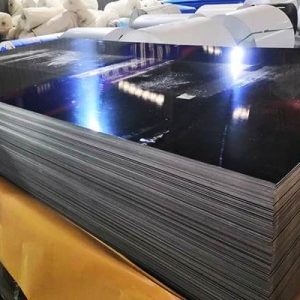 Aluminum Sheet Plate
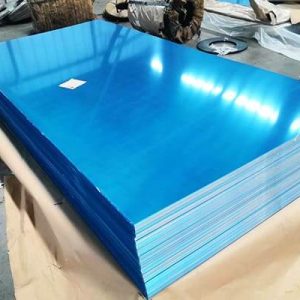
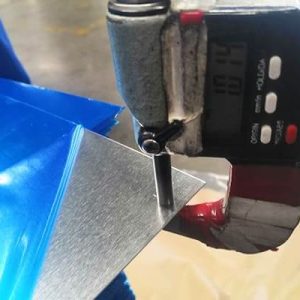
6063 Aluminum Sheet: Achieve Flawless Finishes
¥5,800.00Known for its exceptional surface quality and superior anodizing response, 6063 Aluminum Sheet is the ideal material for architectural trim, decorative components, and applications where aesthetics are paramount.
-
 Aluminum Sheet Plate
5454 Aluminum Sheet Plate
¥3,600.00Choose 5454 Aluminum Sheet Plate for lightweight strength in marine decks, chemical vessels, and pressure containers. Proven reliability, easy fabrication.
-
Aluminum Sheet Plate
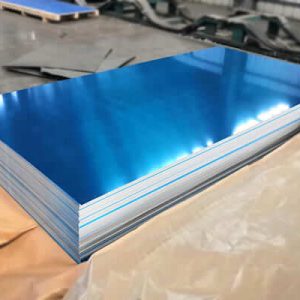
5182 Aluminum Sheet Plate
¥3,650.00Choose high‑performance 5182 aluminum sheet plate for exceptional formability, weldability, and lasting durability in marine, automotive, and industrial uses.
-
 Aluminum Sheet Plate
5052 Aluminum Sheet
¥5,880.005052 aluminum sheet belongs to the 5000 series aluminum alloy. The main added element is Mg. It is obtained by rolling the aluminum alloy. It has strong corrosion resistance and…
-

 Aluminum Sheet Plate
3004 Aluminum Sheet
¥3,860.00The 3004 aluminum sheet from Langhe Aluminum Co. is a versatile material known for its corrosion resistance, moderate strength, and excellent formability. Composed primarily of aluminum and manganese, it is…
-

 Aluminum Sheet Plate
6061 Aluminum Sheet
¥5,450.006061 aluminum sheet provided by Langhe-Alu is a popular industrial material. With its excellent comprehensive performance, it is widely used in aerospace, machinery manufacturing, shipbuilding, automotive industry and architectural decoration.
-

 Aluminum Sheet Plate
1000 Series Aluminum Sheet
¥3,250.001000 series aluminum sheet: known for its excellent corrosion resistance, high electrical conductivity, and formability. Ideal for applications in chemical equipment, food processing, and architectural projects
-
 Aluminum Sheet Plate
1050 Aluminum Sheet
¥3,428.001050 aluminum sheet is a commercially pure aluminum alloy (99.5% aluminum content) that belongs to the 1000 series of aluminum alloys.