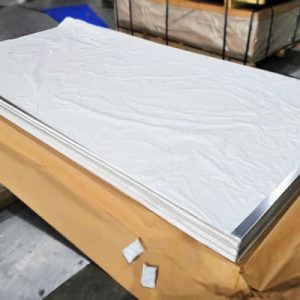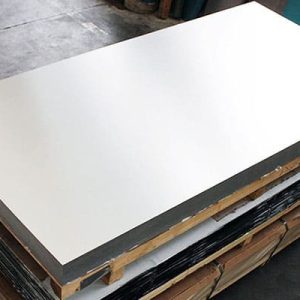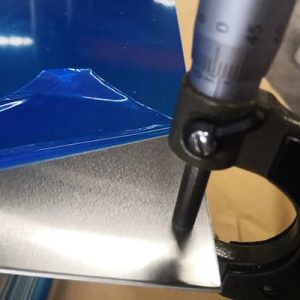


Quando as aplicações exigem resistência excepcional, resistência superior à corrosão, particularmente em ambientes marinhos agressivos, e excelente soldabilidade, 5086 Folha de alumínio surge como uma escolha de material principal.
Esta liga de alto desempenho conquistou um nicho significativo em indústrias onde a durabilidade e a confiabilidade são inegociáveis.
Este guia completo investiga os intrincados detalhes de 5086 Folha de alumínio, explorando suas propriedades, características de fabricação, Aplicações, e como ele se compara a outras ligas, proporcionando-lhe uma compreensão profunda deste material robusto.
Conteúdo
mostrar
1. Introdução a 5086 Folha de alumínio
O que exatamente é 5086 Folha de alumínio?
5086 Folha de alumínio é um de alta resistência, liga não tratável termicamente pertencente à série 5xxx de ligas de alumínio. Seus principais elementos de liga são o magnésio (normalmente ao redor 4%) e manganês, que juntos transmitem suas características notáveis.
Esta composição torna-o conhecido pelo seu desempenho excepcional em ambientes agressivos, especialmente água salgada, ganhando a designação de “grau marítimo”. Além disso, mantém boa resistência mesmo após a soldagem.
Por que 5086 Folha de alumínio é importante: Importância do mercado
A importância de 5086 Folha de alumínio reside na sua capacidade de resolver desafios críticos de engenharia em setores exigentes.
É indispensável na construção naval, estruturas offshore, tanques criogênicos, e transporte pesado onde os materiais devem suportar condições extremas sem vacilar.
Consequentemente, sua seleção geralmente se traduz em maior vida útil, manutenção reduzida, e maior segurança em aplicações críticas.
2. Características principais & Vantagens incomparáveis de 5086 Folha de alumínio
Resistência superior à corrosão, Especialmente em ambientes marinhos
Uma das características marcantes 5086 Folha de alumínio é a sua excelente resistência à corrosão.
Apresenta um desempenho excepcionalmente bom em água do mar e em vários outros ambientes químicos.
Isso o torna a escolha preferida para aplicações marítimas.
Notavelmente, têmperas específicas como H116 e H321 são especialmente processadas para fornecer maior resistência à corrosão sob tensão (SCC) e corrosão por esfoliação em ambientes marinhos.
Alta proporção de força / peso
5086 Folha de alumínio oferece um dos mais altos níveis de resistência entre as ligas de alumínio não tratáveis termicamente.
Esta alta resistência, combinado com a baixa densidade inerente do alumínio, resulta em uma excelente relação resistência-peso.
Isto é particularmente benéfico para aplicações onde a redução do peso estrutural é crucial sem comprometer a integridade, como no transporte e na construção naval, levando a uma melhor eficiência de combustível e capacidade de carga útil.
Excelente soldabilidade
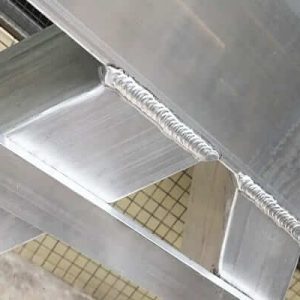
Esta liga apresenta excelente soldabilidade usando técnicas comuns de soldagem por fusão como MIG (Gawn) e tig (Gtaw).
Permite a criação de grandes, complexo, e componentes soldados estruturalmente sólidos.
Além disso, 5086 Folha de alumínio retém uma boa porcentagem de sua resistência do metal base na condição de soldado, um fator crítico para aplicações estruturais.
Boa formabilidade
Apesar de sua alta resistência, 5086 Folha de alumínio oferece boa conformabilidade, particularmente no recozido (O) temperamento.
Pode ser dobrado, retirou, e moldado usando métodos de fabricação padrão.
Embora possa exigir mais força e raios de curvatura maiores em comparação com ligas mais macias da série 5xxx, sua trabalhabilidade é suficiente para uma ampla gama de projetos estruturais.
Excelente desempenho em baixas temperaturas (Adequação criogênica)
Uma vantagem significativa de 5086 Folha de alumínio é o seu excelente desempenho em temperaturas criogênicas.
Ao contrário de muitos metais ferrosos que se tornam quebradiços a baixas temperaturas, 5086 retém, e pode até aumentar ligeiramente, sua resistência e ductilidade em condições abaixo de zero.
Isto o torna ideal para a construção de tanques e vasos para gás natural liquefeito (GNG) e outros líquidos criogênicos.
Boa resistência à fadiga
5086 Folha de alumínio demonstra boa resistência à fadiga, o que significa que pode suportar cargas cíclicas repetidas sem falha prematura.
Esta é uma consideração importante para estruturas sujeitas a tensões dinâmicas., como cascos de navios submetidos à ação das ondas ou componentes de veículos submetidos a vibrações.
3. Especificações detalhadas de materiais: Os detalhes técnicos de 5086 Alumínio
Uma compreensão completa de 5086 Folha de alumínio requer uma olhada em suas propriedades específicas do material.
Composição química
A composição química precisa de 5086 Folha de alumínio determina seu desempenho.
Magnésio (Mg) é o principal elemento de liga, contribuindo significativamente para a sua resistência e resistência à corrosão.
Manganês (Mn) aumenta ainda mais a resistência e controla a estrutura do grão.
| Elemento | Contente (%) | Papel |
|---|---|---|
| Silício (E) | ≤ 0.40 | Impureza; pode afetar a soldabilidade se for muito alto. |
| Ferro (Fe) | ≤ 0.50 | Impureza; afeta a ductilidade e a resistência à corrosão se for excessivo. |
| Cobre (Cu) | ≤ 0.10 | Mantido baixo para manter boa resistência à corrosão. |
| Manganês (Mn) | 0.20 - 0.7 | Aumenta a força, melhora o endurecimento por deformação, controla o tamanho do grão. |
| Magnésio (Mg) | 3.5 - 4.5 | Elemento de fortalecimento primário, Aumenta a resistência à corrosão. |
| Cromo (Cr) | 0.05 - 0.25 | Melhora a resistência à corrosão, Controla a estrutura de grãos, reduz CCS. |
| Zinco (Zn) | ≤ 0.25 | Impureza. |
| Titânio (De) | ≤ 0.15 | Refinador de grãos. |
| Outros, cada | ≤ 0.05 | |
| Outros, total | ≤ 0.15 | |
| Alumínio (Al) | Equilíbrio | Metal base. |
Faixas típicas baseadas em padrões como ASTM B209, PT AW-5086.
Propriedades mecânicas (Segmentado por Temperamento)
As propriedades mecânicas de 5086 Folha de alumínio variar significativamente com seu temperamento (grau de endurecimento por deformação e tratamento térmico).
| Temperamento | Resistência à tracção (Final, MPa min) | Força de escoamento (0.2% desvio, MPa min) | Alongamento (% em 50mm, min) | Dureza (Brinell HBW, típico) | Força de cisalhamento (MPA, típico) |
|---|---|---|---|---|---|
| O | 260 - 310 | 115 - 145 | 12 - 22 | 63 - 70 | 165 |
| H32 | 290 - 345 | 205 - 240 | 10 - 12 | 77 - 85 | 170 |
| H34 | 310 - 365 | 240 - 275 | 8 - 10 | 83 - 90 | 180 |
| H111 | 275 | 125 | 12 | 70 | 165 |
| H112 | 270 | 115 | 12 | 67 | 160 |
| H116 | 290 | 205 | 10 | 77 | 170 |
| H321 | 290 | 205 | 10 | 77 | 170 |
Os valores são típicos ou mínimos de acordo com os padrões comuns. As têmperas H116 e H321 são especificamente para maior resistência à esfoliação e à corrosão sob tensão em ambientes marinhos.
Resistência à fadiga para 5086 geralmente é bom, muitas vezes por perto 125-150 MPa para 5×10^7 ciclos, mas varia com o temperamento e condições específicas.
Propriedades físicas
| Propriedade | Valor (Aproximado) |
|---|---|
| Densidade | 2.66 g/cm³ (0.096 lb/in³) |
| Faixa de fusão | 574 - 638 ° c (1065 - 1180 ° f) |
| Condutividade térmica | 117 - 126 W/m · k (no 25 ° c, dependendo do temperamento) |
| Resistividade elétrica | 5.6 - 5.9 µω · cm (no 20 ° c) |
| Condutividade elétrica | 29 - 31% IACS |
| Módulo de elasticidade (Tensão) | 71 GPA (10,300 KSI) |
| Coeficiente de expansão térmica | 23.8 µm/m · ° C. (20-100 ° c) |
4. Fabricação & Desempenho de processamento: Trabalhando com 5086 Folha de alumínio
Entendendo como trabalhar com 5086 Folha de alumínio é a chave para aproveitar seus benefícios.
Informações sobre formabilidade
Embora mais forte do que muitas outras ligas de alumínio, 5086 Folha de alumínio ainda oferece boa conformabilidade.
- Flexão: Possível, mas requer raios de curvatura maiores em comparação com ligas mais macias como 5052, especialmente em temperamentos mais difíceis. O temperamento 'O' é mais moldável. Sempre verifique as diretrizes específicas de têmpera para raios de curvatura mínimos para evitar rachaduras.
- Desenho e Estampagem: Adequado para operações moderadas de desenho e estampagem. Ferramentas adequadas, lubrificação, e a consideração da resistência do material são essenciais.
- Role a formação: Pode ser laminado em vários perfis, embora o equipamento deva acomodar sua maior resistência.

Excelência em soldagem
5086 Folha de alumínio é conhecido por sua excelente soldabilidade.
- Métodos de soldagem recomendados:
- Soldagem de arco de metal a gás (Gawn / MEU): Comumente usado por sua velocidade e eficiência, especialmente em seções mais espessas.
- Soldagem de arco de tungstênio a gás (Gtaw / Tig): Oferece excelente controle e soldas de alta qualidade, adequado para juntas críticas e materiais mais finos.
- Ligas de enchimento adequadas:
- 5183: Muitas vezes o enchimento preferido para soldagem 5086 para si mesmo, pois oferece uma resistência mais próxima do metal base e boa resistência à corrosão.
- 5356: Uma carga de uso geral para ligas da série 5xxx, também adequado, mas pode resultar em resistência de solda ligeiramente inferior em comparação com 5183.
- 5556: Fornece maior resistência de solda do que 5356, pode ser uma alternativa 5183.
- Principais considerações sobre soldagem:
- Preparação de Superfície: Limpeza completa para remover óxidos, Óleos, e contaminantes é crítico antes da soldagem. Use uma escova de aço inoxidável dedicada ou desoxidantes químicos.
- Controle de entrada de calor: Gerencie a entrada de calor para minimizar a distorção e potencial amolecimento da ZTA.
- Gás de Proteção: Argônio de alta pureza ou misturas de argônio-hélio são normalmente usadas.
- Suavização de ZTA: Como não tratável termicamente, liga endurecida, a zona afetada pelo calor (Haz) experimentará algum recozimento, levando a uma redução localizada na força. Isso deve ser considerado no design.
MACHINABILIDADE
A usinabilidade de 5086 Folha de alumínio é geralmente classificado como razoável a bom.
- Características Gerais: Pode ser usinado de forma eficaz, embora seja mais resistente do que ligas de alumínio de menor resistência. O controle de chips às vezes pode ser um desafio.
- Recomendações de ferramentas: Aço rápido (HSS) ferramentas podem ser usadas, mas ferramentas com ponta de metal duro são recomendadas para melhor vida útil da ferramenta e velocidades de corte mais altas, especialmente para temperamentos mais difíceis. Ferramentas afiadas com ângulos de inclinação positivos são benéficas.
- Uso de fluido de corte: O uso amplo de fluidos de corte é recomendado para reduzir o desgaste da ferramenta, evitar borda postiça, e melhorar o acabamento superficial.
- Impacto do temperamento: Tempers mais difíceis (Por exemplo, H32, H34) geralmente oferecem usinabilidade ligeiramente melhor com melhor quebra de cavacos em comparação com a têmpera 'O' mais suave.
Opções de tratamento de superfície
Enquanto 5086 Folha de alumínio possui excelente resistência natural à corrosão, tratamentos de superfície podem ser aplicados para necessidades específicas.
- Anodizando: Pode ser anodizado, principalmente para aumentar ainda mais sua resistência à corrosão e fornecer uma superfície mais dura. No entanto, normalmente não é escolhido para anodização decorativa, pois sua aparência pode não ser tão uniforme ou brilhante quanto ligas como 5005. O objetivo principal é a proteção funcional.
- Pintura & Revestimento: Geralmente pintado ou revestido para aplicações marítimas para fornecer proteção adicional, propriedades anti-incrustantes, ou para fins estéticos/de identificação. Preparação completa da superfície, incluindo limpeza e um revestimento ou primer de conversão adequado, é vital para uma boa adesão.
- Revestimentos de conversão: Revestimentos de conversão química (Por exemplo, alternativas cromadas ou não cromadas) pode ser aplicado para aumentar a resistência à corrosão e fornecer uma excelente base para adesão de tinta.
5. Áreas de aplicação de 5086 Folha de alumínio
As propriedades únicas de 5086 Folha de alumínio torná-lo o material de escolha em diversas indústrias exigentes.
Setor Naval e Marítimo (Aplicativo principal)
É aqui que 5086 Folha de alumínio realmente brilha. Sua alta resistência, Excelente soldabilidade, e resistência superior à corrosão por água salgada o tornam ideal para:
- Cascos de navios e barcos (desde pequenas embarcações até embarcações maiores)
- Superestruturas, mastros, e deck
- Navios de pesca, barcos patrulha, iates, barcos de trabalho
- Plataformas offshore de petróleo e gás e estruturas marítimas relacionadas
Vasos de pressão e tanques de armazenamento
Sua boa força, soldabilidade, e desempenho em baixas temperaturas fazem 5086 Folha de alumínio adequado para:
- Tanques de armazenamento criogênico para gás natural liquefeito (GNG), nitrogênio líquido, e outros gases liquefeitos.
- Tanques de armazenamento de produtos químicos e vasos de processo onde a resistência à corrosão é fundamental.
Transporte Pesado
A alta relação resistência/peso beneficia as aplicações de transporte:
- Carrocerias de caminhões basculantes e reboques basculantes
- Vagões e componentes
- Caminhões-tanque para transporte de vários líquidos
- Veículos militares
Aplicações Estruturais Soldadas em Ambientes Agressivos
Além do uso marítimo, 5086 Folha de alumínio serve bem em:
- Pontes, passarelas, e plataformas expostas a atmosferas industriais ou costeiras corrosivas.
- Componentes de infraestrutura que exigem durabilidade a longo prazo com manutenção mínima.
Placa de armadura (Certas têmperas/especificações especializadas)
Em temperamentos e espessuras específicas, 5086 Folha de alumínio pode ser usado para aplicações de proteção balística, oferecendo uma alternativa leve à armadura de aço.
6. 5086 vs.. Outras ligas de alumínio comuns
Entender como 5086 Folha de alumínio em comparação com outras ligas de alumínio usadas com frequência é crucial para fazer seleções informadas de materiais adaptadas aos requisitos específicos da aplicação.
| Recurso | 5086 Folha de alumínio | 5052 Folha de alumínio | 5083 Folha de alumínio | 6061-Folha de alumínio T6 |
|---|---|---|---|---|
| Elementos de liga primária | Mg, Mn | Mg | Mg, Mn | Mg, E |
| Tratável térmico | Não (Tensão endurecida) | Não (Tensão endurecida) | Não (Tensão endurecida) | Sim |
| Força Geral | Alto | Médio | Muito alto (Um pouco mais alto que 5086) | Alto (em temperamento T6) |
| Resistência conforme soldada | Boa retenção | Boa retenção (em relação à base) | Boa retenção | Redução significativa, a menos que seja tratado termicamente após a soldagem |
| Resistência à corrosão (Em geral) | Excelente | Muito bom | Excelente | Bom |
| Resistência à corrosão (Marinho) | Superior (especialmente têmperas H116/H321 para resistência SCC) | Bom (mas menos resistente ao SCC do que especializado 5086/5083) | Superior (especialmente têmperas H116/H321 para resistência SCC) | Moderado (pode ser propenso a corrosão em água salgada sem proteção) |
| Formabilidade | Bom (mas menos que 5052 devido à maior resistência) | Excelente | Bom (semelhante a 5086, ligeiramente menos moldável devido à resistência) | Justo a bem (menos moldável que a série 5xxx, especialmente em T6) |
| Soldabilidade | Excelente | Excelente | Excelente | Bom (mas a perda de resistência da HAZ é uma preocupação fundamental) |
| Desempenho Criogênico | Excelente | Bom | Excelente | Bom |
| Aplicações típicas | Construção naval, estruturas marinhas, vasos de pressão (criogênico), transporte pesado | Trabalho geral de chapa metal, componentes marinhos (menos crítico), tanques de combustível, peças do aparelho | Construção naval, estruturas marinhas, Tanques de GNL, vagões, placa de armadura | Aplicações estruturais gerais, peças automotivas, quadros de bicicleta, componentes aeroespaciais |
| Vantagem Principal | Alta resistência com resistência superior à corrosão marítima & soldabilidade | Excelente formabilidade & boa resistência geral à corrosão | A maior resistência entre ligas não tratáveis termicamente, grau marinho | Alta proporção de força / peso (tratado termicamente), versátil |
Fazendo a escolha certa: Quando é 5086 a solução ideal?
Escolher 5086 Folha de alumínio Quando o seu aplicativo exige:
- Resistência excepcional à água salgada e à corrosão geral.
- Alta resistência quando soldada para integridade estrutural.
- Um bom equilíbrio entre resistência e conformabilidade para estruturas robustas.
- Desempenho confiável em temperaturas criogênicas.
- Durabilidade em ambientes marinhos exigentes, transporte, ou ambientes industriais onde outras ligas podem falhar.
7. Disponibilidade: Formulários, Tamanhos, e Padrões para 5086 Alumínio
5086 Folha de alumínio está comercialmente disponível em vários formatos e tamanhos para atender às diversas necessidades do projeto.
Formulários Comuns
- 5086 Folha de alumínio: Material de calibre mais fino, normalmente até 6mm (0.25 polegadas).
- 5086 Placa de alumínio: Material mais espesso, frequentemente usado para aplicações estruturais robustas. 5086 Placa de alumínio é muito comum devido ao seu uso na construção naval e em vasos de pressão.
- 5086 Bobina de alumínio: Pode ser fornecido em forma de bobina para processamento contínuo.
Espessura típica, Largura, e variações de comprimento
- Grossura: Varia de aproximadamente 0,5 mm (0.020 polegadas) para chapas até 150mm (6 polegadas) ou mais para prato.
- Largura & Comprimento: Larguras padrão (Por exemplo, 1220mm, 1500mm, 2000mm) e comprimentos (Por exemplo, 2440mm, 3000mm, 6000mm) são comuns. Tamanhos personalizados geralmente estão disponíveis nos fornecedores.
Principais padrões internacionais e nacionais que regem 5086
5086 Folha de alumínio e a placa são fabricadas para atender aos rigorosos padrões internacionais e nacionais:
- ASTM B209: Especificação padrão para folha e placa em liga de alumínio e alumínio.
- ASTM B928/B928M: Especificação padrão para chapas e placas de liga de alumínio com alto teor de magnésio para serviços marítimos e ambientes semelhantes (cobre especificamente as têmperas H116 e H321).
- PT AW-5086 (Europa): Em conformidade com EN 485 (Folha, Tira, Placa) e e 573 (Composição química).
- Aprovações da Sociedade Classificadora: Para aplicações marítimas, 5086 Folha de alumínio muitas vezes traz aprovações de sociedades de classificação como a DNV (A Norueguesa Veritas), Abs (Bureau Americano de Navegação), Registro de Lloyd, RINA, etc., garantindo que atenda aos requisitos específicos para a construção naval.
8. Considerações importantes & Limitações potenciais ao usar 5086 Alumínio
Desempenho de temperatura elevada
5086 Folha de alumínio geralmente não é recomendado para serviço prolongado em temperaturas acima de 65°C (150° f).
A exposição prolongada a temperaturas elevadas pode levar à “sensibilização,”onde precipitados ricos em magnésio se formam ao longo dos limites dos grãos, tornando a liga suscetível à corrosão intergranular e corrosão sob tensão.
Redução de força na zona afetada pelo calor (Haz) Após a soldagem
Como não tratável termicamente, liga endurecida, o calor da soldagem irá recozer o material na ZTA, resultando em uma redução na força naquela área localizada.
Esta redução deve ser levada em conta no projeto de estruturas soldadas.
Formabilidade
Embora classificado como tendo boa formabilidade, sua maior resistência significa que é menos dúctil e requer mais força para se formar em comparação com ligas de alumínio mais macias, como 3003 ou 5005.
Normalmente são necessários raios de curvatura maiores.
Fator de custo
Devido ao seu maior teor de liga e processamento especializado para determinados temperamentos (como H116/H321), 5086 Folha de alumínio pode ser mais caro do que ligas de alumínio de uso geral.
No entanto, seu desempenho e durabilidade a longo prazo justificam frequentemente o investimento inicial em aplicações exigentes.
Fissuração por corrosão sob tensão (SCC) Mitigação
Para aplicações críticas em ambientes corrosivos, especialmente marinho, é crucial selecionar têmperas apropriadas como H116 ou H321.
Essas têmperas são processadas especificamente para estabilizar a microestrutura e maximizar a resistência ao SCC e à corrosão por esfoliação.
9. Conclusão
5086 Folha de alumínio permanece como uma escolha de material formidável para aplicações que exigem uma combinação potente de alta resistência, resistência excepcional à corrosão (particularmente em ambientes marinhos), Excelente soldabilidade, e bom desempenho em baixas temperaturas.
Seu histórico comprovado na construção naval, construção de vasos de pressão, e o transporte pesado ressalta sua confiabilidade e durabilidade.
Embora considerações como limitações de temperatura elevada e amolecimento de ZTA em soldas sejam importantes, design adequado e seleção de materiais, incluindo têmperas específicas como H116 e H321 para serviços marítimos, habilitar 5086 folhas de alumínio para oferecer excelente desempenho de longo prazo em alguns dos ambientes mais desafiadores.
Perguntas frequentes
Q1: É 5086 alumínio adequado para exposição prolongada à água salgada?
UM: Sim, absolutamente. 5086 Folha de alumínio, especialmente em temperamentos como H116 e H321, oferece excelente resistência à corrosão por água salgada e é a principal escolha para aplicações marítimas.
Q2: Posso soldar 5086 alumínio facilmente? Que preenchimento devo usar?
UM: Sim, 5086 folhas de alumínio têm excelente soldabilidade usando MIG (Gawn) ou TIG (Gtaw) processos. 5183 a liga de enchimento é frequentemente preferida para uma combinação de resistência próxima, no entanto 5356 ou 5556 também pode ser usado.
Q3: Como acontece 5086 comparar em força com 5052 ou 6061?
UM: 5086 Folha de alumínio é significativamente mais forte do que 5052. Comparado com 6061-T6, 5086 pode ter menor resistência à tração e ao escoamento em sua forma base, mas retém uma porcentagem maior de sua resistência após a soldagem sem exigir tratamento térmico pós-soldagem, o que é uma grande vantagem para grandes estruturas soldadas.
Q4: É 5086 em alumínio tratável termicamente?
UM: Não, 5086 Folha de alumínio é uma liga não tratável com calor. Sua resistência é obtida através da liga com magnésio e manganês, e por endurecimento por deformação (Trabalho endurecendo), Designado por temperos H..
Q5: Qual é a principal diferença entre 5086 e 5083 alumínio?
UM: 5086 e 5083 são muito semelhantes de alta resistência, ligas de grau marítimo. 5083 normalmente tem um teor de magnésio ligeiramente maior, potencialmente oferecendo resistência marginalmente maior. 5086 Folha de alumínio às vezes é conhecido por sua resistência à corrosão sob tensão ligeiramente melhor em certos temperamentos. Em muitas aplicações, eles são considerados intercambiáveis.
Q6: Por que as têmperas H116 ou H321 são importantes para uso marítimo?
UM: As têmperas H116 e H321 para 5086 folhas de alumínio (e 5083) são processados especificamente para estabilizar a microestrutura contra sensibilização. Isso melhora drasticamente sua resistência à corrosão por esfoliação e à corrosão sob tensão. (SCC) quando exposto a ambientes marinhos por longos períodos, tornando-os essenciais para aplicações críticas de construção naval.
Produtos relacionados
-

 Placa de folha de alumínio, Produtos
6005 Folha de alumínio
Nome
6005 Folha de alumínioGrossura
0.3-6.0 mmLargura
1000 mm - 2600 mm,PersonalizarSuperfície
Brilhante, polido, linha de cabelo, escovar, explosão de areia, xadrez, em relevo, gravura, etc..Técnico
Liga forjada、Laminação a frio (Cc)、Tratado termicamente (abril/sexta) -
 Placa de folha de alumínio, Produtos
6082 Placa de folha de alumínio
Nome
6082 Placa de folha de alumínioGrossura
0.3-200mmLargura
100mm – 2600 mm,PersonalizarSuperfície
Brilhante, polido, linha de cabelo, escovar, explosão de areia, xadrez, em relevo, gravura, etc..Técnico
Laminado a quente (DC)、Laminação a frio (Cc) -
 Placa de folha de alumínio
6063 Folha de alumínio: Obtenha acabamentos impecáveis
¥5,800.00Conhecido por sua excepcional qualidade da superfície e resposta de anodização superior, 6063 Folha de alumínio é o material ideal para acabamento arquitetônico, componentes decorativos, e aplicações onde a estética é fundamental.
-
Placa de folha de alumínio
5182 Placa de folha de alumínio
¥3,650.00Escolha o alto desempenho 5182 Placa de folha de alumínio para formabilidade excepcional, soldabilidade, e durabilidade duradoura em fuzileiros navais, Automotivo, e usos industriais.
-

 Placa de folha de alumínio
3105 Folha de alumínio
¥3,450.00Saiba o porquê 3105 A folha de alumínio é a opção para embalagens, construção, e transporte. Com força de tração até 210 MPA (H34 Temper), Segurança de grau de alimentos, e desenho profundo fácil, entrega…
-

 Placa de folha de alumínio
3104 Folha de alumínio
¥3,500.00Explore os principais recursos de 3104 Folha de alumínio, incluindo sua excelente resistência à corrosão, Formabilidade, e força. Entender seu processo de produção e como ele se compara a outras ligas de alumínio no…
-
 Placa de folha de alumínio
5052 Folha de alumínio
¥5,880.005052 Folha de alumínio pertence ao 5000 liga de alumínio da série. O elemento principal adicionado é mg. É obtido rolando a liga de alumínio. Tem forte resistência à corrosão e…
-

 Placa de folha de alumínio
6061 Folha de alumínio
¥5,450.006061 Folha de alumínio fornecida por Langhe-alu é um material industrial popular. Com seu excelente desempenho abrangente, é amplamente utilizado no aeroespacial, fabricação de máquinas, construção naval, Indústria automotiva e decoração arquitetônica.
-

 Placa de folha de alumínio
1060 Folha de alumínio
¥3,468.001060 A placa de alumínio é um material leve comum pertencente ao 1000 liga de alumínio da série. É popular no mercado devido ao seu preço baixo, forte resistência à corrosão e…
-
 Placa de folha de alumínio
1050 Folha de alumínio
¥3,428.001050 Folha de alumínio é uma liga de alumínio comercialmente pura (99.5% teor de alumínio) que pertence ao 1000 série de ligas de alumínio.