
Quente


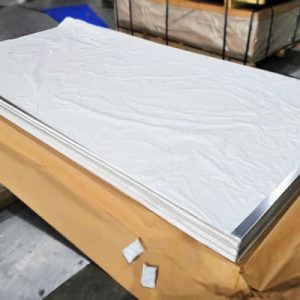
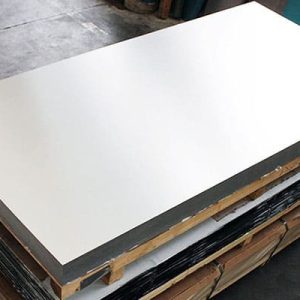


No mundo dinâmico da ciência dos materiais, 5182 Placa de folha de alumínio surge como um artista de destaque, particularmente valorizado por sua formabilidade excepcional e propriedades mecânicas robustas.
Esta liga, Um membro-chave da série 5xxx de alumínio-magnésio, criou um nicho significativo em indústrias exigindo formas complexas, Designs leves, e durabilidade confiável.
Este guia oferece uma exploração aprofundada de 5182 Placa de folha de alumínio, Equipando engenheiros, designers, e fabricantes com o conhecimento para aproveitar todo o seu potencial.
Conteúdo
mostrar
1. Introdução a 5182 Placa de folha de alumínio
O que é 5182 Placa de folha de alumínio?
5182 Placa de folha de alumínio é uma liga forjada não tratável termicamente onde o magnésio é o principal elemento de liga.
Esta composição confere excelente ductilidade, particularmente no recozido (O) temperamento, tornando-o ideal para estampagem profunda e operações de conformação complexas.
Além de sua conformabilidade, 5182 oferece boa resistência, cujo endurecimento por trabalho pode melhorar ainda mais, juntamente com louvável resistência à corrosão.
Posicionamento de mercado & Importância de 5182 Placa de folha de alumínio
O mercado valoriza muito 5182 Placa de folha de alumínio para aplicações onde a conformabilidade é fundamental.
Seu impacto mais significativo está na indústria automotiva, onde facilita a produção de painéis de carroceria complexos, contribuindo para a redução do peso dos veículos e maior eficiência de combustível.
Além disso, a indústria de embalagens o utiliza extensivamente para itens como tampas de latas de bebidas, capitalizando sua capacidade de ser moldado com precisão, mantendo a integridade estrutural.
Sua combinação única de propriedades o torna um material crítico para os desafios modernos de fabricação.
2. Vantagens principais & Características de 5182 Placa de folha de alumínio
Formabilidade excepcional
Esta é a marca registrada 5182 Placa de folha de alumínio. Apresenta desempenho superior em estampagem profunda, estampagem, e operações de dobra, permitindo a criação de componentes complexos com rasgos ou rachaduras mínimas.
Sua estrutura de grão fino também contribui para um bom acabamento superficial após a conformação, muitas vezes com um efeito reduzido de “casca de laranja”.
Bom equilíbrio de força e resistência
Embora classificada como uma liga de resistência média, 5182 Placa de folha de alumínio oferece um equilíbrio favorável.
Possui boa resistência inicial, que aumenta significativamente com o trabalho a frio.
Esta capacidade de endurecimento permite que os projetistas obtenham maior resistência nas peças moldadas.
Também mantém boa resistência à fratura, crucial para componentes sujeitos a impactos ou tensões.
Excelente resistência à corrosão
Como outras ligas da série 5xxx, 5182 Placa de folha de alumínio demonstra excelente resistência à corrosão geral, particularmente em ambientes atmosféricos e marinhos.
O conteúdo de magnésio forma um estável, camada protetora de óxido na superfície, garantindo durabilidade a longo prazo.
Boa soldabilidade
Os fabricantes podem soldar facilmente 5182 Placa de folha de alumínio usando técnicas comuns de soldagem por fusão, como MIG (Gawn) e tig (Gtaw), bem como soldagem a ponto por resistência (RSW), que é predominante na montagem automotiva.
Normalmente produz juntas de solda fortes e confiáveis.

Vantagem leve
A baixa densidade inerente do alumínio, combinado com a boa resistência de 5182 Placa de folha de alumínio, torna-o um excelente candidato para iniciativas de redução de peso.
Em aplicações automotivas, isso se traduz diretamente na redução da massa do veículo, levando a uma melhor economia de combustível e menores emissões sem comprometer a segurança ou o desempenho.
3. Propriedades de 5182 Liga de alumínio
Uma visão detalhada das propriedades dos materiais 5182 Placa de folha de alumínio revela a ciência por trás de seu desempenho.
Compreensão da composição química
A composição química precisa de 5182 Placa de folha de alumínio é a chave para suas características únicas.
Magnésio (Mg) é o principal elemento de liga, melhorando significativamente a conformabilidade e a resistência.
Pequenas adições de manganês (Mn) contribuir ainda mais para a resistência e o refinamento do grão.
Controle rígido sobre elementos de impureza como ferro (Fe) e silício (E) é crucial para manter a formabilidade ideal.
| Elemento | Contente (%) (Típico para ASTM B209) | Função |
|---|---|---|
| Silício (E) | ≤ 0.20 | Impureza; mantido baixo para manter boa formabilidade e evitar a formação de Mg₂Si quebradiço se Cr estiver presente. |
| Ferro (Fe) | ≤ 0.35 | Impureza; altos níveis podem reduzir a ductilidade e a resistência à corrosão. Controlado para melhor conformabilidade. |
| Cobre (Cu) | ≤ 0.15 | Adições menores podem aumentar a resistência, mas podem reduzir a resistência à corrosão e a soldabilidade se forem muito altas. |
| Manganês (Mn) | 0.20 - 0.50 | Melhora a resistência através do fortalecimento da solução sólida e do endurecimento por deformação; refina a estrutura do grão. |
| Magnésio (Mg) | 4.0 - 5.0 | Elemento de liga primária; aumenta significativamente a força, melhora a resposta de endurecimento por deformação, e melhora a conformabilidade. Também contribui para a resistência à corrosão. |
| Cromo (Cr) | ≤ 0.10 | Pode melhorar a resistência à corrosão e controlar a estrutura dos grãos. |
| Zinco (Zn) | ≤ 0.25 | Geralmente uma impureza nesta liga; níveis elevados podem reduzir a resistência à corrosão. |
| Titânio (De) | ≤ 0.10 | Frequentemente adicionado como refinador de grãos durante a fundição, levando a melhor conformabilidade e acabamento superficial. |
| Outros, cada | ≤ 0.05 | |
| Outros, total | ≤ 0.15 | |
| Alumínio (Al) | Equilíbrio | Metal base. |
Observação: As faixas de composição específicas podem variar ligeiramente com base em padrões governamentais como EN AW-5182.
Propriedades físicas
Essas características materiais inerentes são amplamente independentes.
- Densidade: Aproximadamente 2.65 g/cm³ (0.0957 lb/in³)
- Faixa de fusão: Aproximadamente 590 - 640 ° c (1095 - 1185 ° f)
- Módulo de elasticidade (Módulo de Young): Aproximadamente 70 GPA (10,150 KSI)
Decodificação de propriedades mecânicas
As propriedades mecânicas de 5182 Placa de folha de alumínio são altamente dependentes de seu temperamento (grau de endurecimento do trabalho).
Os temperamentos comuns incluem O (recozido), H111 (endurecido por deformação por moldagem), e vários temperamentos Hxx (endurecido por deformação e às vezes parcialmente recozido ou estabilizado).
As aplicações automotivas geralmente utilizam têmperas especializadas como H48.
| Temperamento | Resistência à tracção (MPA, típico) | Força de escoamento (MPA, típico) | Alongamento (% em 50mm, típico) | Dureza (Brinell, Hbw, típico) |
|---|---|---|---|---|
| O | 260 - 305 | 110 - 150 | 22 - 28 | 60 - 70 |
| H32 | 290 - 345 | 200 - 260 | 10 - 15 | 75 - 85 |
| H34 | 305 - 360 | 220 - 280 | 8 - 13 | 80 - 90 |
| H111 | 270 - 315 | 125 - 165 | 18 - 25 | 65 - 75 |
| H48 (Automotivo) | 280 - 320 | 130 - 180 | 20 - 26 | ~70 |
Observação: Os valores são indicativos e podem variar. Consulte padrões específicos para mínimos garantidos.
Parâmetros chave de conformabilidade, como o expoente de endurecimento por deformação (valor n) e taxa de deformação plástica (valor r) também são críticos para prever o comportamento de formação, com 5182 Placa de folha de alumínio exibindo valores favoráveis para estampagem profunda.
Resistência à corrosão & Durabilidade
5182 Placa de folha de alumínio fornece excelente resistência à corrosão atmosférica e a muitos produtos químicos comuns.
Isso o torna adequado para painéis automotivos externos e embalagens de qualidade alimentar.
Embora geralmente seja bom, como outras ligas 5xxx com alto teor de magnésio, exposição prolongada a temperaturas acima de 65°C (150° f) pode sensibilizá-lo à corrosão sob tensão (SCC) se estiver sob estresse sustentado.
No entanto, para a maioria das aplicações pretendidas, esta não é uma preocupação significativa.
Térmico & Características elétricas
- Condutividade térmica: Aproximadamente 120 - 140 W/m · k (no 25 ° c)
- Resistividade elétrica: Aproximadamente 4.9 - 5.2 µω · cm (no 20 ° c) / Condutividade elétrica: ~33-35% IACS
- Coeficiente de expansão térmica: Aproximadamente 23.9 µm/m · ° C. (20-100 ° c)
4. Guia de processamento e fabricação para 5182 Placa de folha de alumínio
Maximizando os benefícios de 5182 Placa de folha de alumínio requer uma compreensão de suas características de processamento.
Formabilidade (A força do núcleo)
A excepcional conformabilidade de 5182 Placa de folha de alumínio é sua característica definidora.
- Desenho profundo: É excelente em operações de estampagem profunda devido ao seu alto alongamento e valores n e r favoráveis. Projeto de ferramentas adequado, lubrificação, e material no O (recozido) temperamento é a chave para resultados ideais.
- Flexão: Pode ser prontamente dobrado, com raios de curvatura mínimos dependendo da têmpera e da espessura.
- Flange de estiramento: Apresenta bom desempenho em operações de flangeamento elástico comuns na produção de painéis automotivos.
- Bandas Lüders (Cepas de maca): 5182 Placa de folha de alumínio, particularmente na têmpera O ou em condições levemente trabalhadas, pode ser suscetível à formação de bandas de Lüders (marcações superficiais desagradáveis) durante o rendimento inicial. Isso os fabricantes podem mitigar através da têmpera (passagem de pele) ou usando têmperas específicas como H111 ou têmperas automotivas (Por exemplo, H48) projetado para minimizar esse efeito.
Soldabilidade
5182 Placa de folha de alumínio oferece boa soldabilidade.
- Métodos de soldagem recomendados:
- Soldagem de arco de metal a gás (Gmaw ou mig)
- Soldagem de arco de tungstênio a gás (Gtaw ou vire)
- Soldagem a ponto por resistência (RSW) – amplamente utilizado em montagem automotiva para união de painéis de alumínio.
- Metais de enchimento recomendados: 5356 é uma escolha comum para soldagem geral. Para aplicações que exigem resistência de solda ligeiramente superior ou características específicas de corrosão, 5554 ou 5183 pode ser considerado.
- Considerações: A limpeza completa da superfície para remover óxidos e contaminantes antes da soldagem é crucial. O controle da entrada de calor ajuda a minimizar a distorção.
MACHINABILIDADE
A usinabilidade de 5182 Placa de folha de alumínio é classificado como justo.
- Em temperamentos mais suaves (como O), pode ser um pouco “pegajoso,”levando a cavacos mais longos e potencial acúmulo de arestas nas ferramentas. Têmperas mais duras geralmente oferecem melhor usinabilidade.
- Usando ferramentas nítidas, velocidades de corte apropriadas, e refrigerantes eficazes são recomendados para resultados ideais.
Tratamento de superfície
Vários tratamentos de superfície podem ser aplicados 5182 Placa de folha de alumínio.
- Anodizando: Pode ser anodizado, principalmente para aumentar a resistência à corrosão ou como pré-tratamento para pintura. Sua qualidade de anodização decorativa geralmente não é tão alta quanto ligas como 5005 ou 5052 devido ao seu maior teor de magnésio.
- Revestimento: 5182 Placa de folha de alumínio fornece um excelente substrato para pintura, revestimento em pó, e revestimento eletrônico (deposição eletroforética), que são padrão na indústria automotiva. Pré-tratamento adequado (limpeza, gravura, revestimento de conversão) é essencial para uma adesão ideal.
- Revestimento de conversão química: Aplicado para melhorar a adesão da tinta e fornecer uma barreira adicional contra a corrosão.
5. Aplicação chave de 5182 Folha/placa de alumínio
As propriedades únicas de 5182 Placa de folha de alumínio impulsionar seu uso em vários setores importantes.
Indústria automotiva (Aplicação principal)
Este é o principal mercado para 5182 Placa de folha de alumínio. Sua excepcional conformabilidade permite a produção de:
- Painéis corporais (Fechamentos): Capuzes (gorros), portas, pára-lamas (asas), painéis de telhado, e tampas do porta-malas (tampas de bagageira).
- Painéis Internos & Reforços: Certos componentes estruturais ou semiestruturais onde a conformabilidade é um requisito fundamental.
Desempenha um papel vital na redução de peso dos veículos, contribuindo para melhorar a eficiência do combustível, emissões reduzidas, e dinâmica veicular aprimorada. Suas boas características de absorção de energia também contribuem para o desempenho da segurança em colisões.

Aplicações Marinhas
Embora não seja tão prevalente quanto 5083 ou 5086 para estruturas primárias de casco, 5182 Placa de folha de alumínio pode ser usado em componentes marítimos menos críticos estruturalmente que exigem boa conformabilidade e resistência à corrosão, como certos gabinetes ou acessórios internos.
Indústria de embalagens
5182 Placa de folha de alumínio é um material fundamental para:
- Extremidades/tampas para latas de bebidas: Sua capacidade de ser moldado em geometrias complexas, mantendo a resistência, o torna ideal para extremidades de fácil abertura.
- Outros contêineres repuxados: Vários recipientes para alimentos e especialidades se beneficiam de sua conformabilidade e resistência à corrosão.
Construção e Arquitetura
Na construção, 5182 Placa de folha de alumínio pode ser usado para painéis arquitetônicos de formação moderada ou elementos decorativos onde suas vantagens de formação específicas são benéficas, embora ligas como 5005 ou 3003 são mais comuns para trabalhos arquitetônicos em geral.
Eletrodomésticos & Eletrônica
Sua conformabilidade faz 5182 Placa de folha de alumínio adequado para:
- Carcaças e Carcaças: Para aparelhos e dispositivos eletrônicos que exigem formas complexas estampadas ou desenhadas.
- Suportes e Painéis Internos: Onde formulários complexos são necessários.
6. 5182 Folha/placa de alumínio vs.. Outras ligas comuns
Quando você seleciona uma chapa ou liga de placa, você equilibra a formabilidade, força, Resistência à corrosão, soldabilidade, MACHINABILIDADE, e custo.
| Liga | Formabilidade | Resistência à tracção(MPA) | Resistência à corrosão | Soldabilidade | MACHINABILIDADE | Usos típicos | Custo relativo |
|---|---|---|---|---|---|---|---|
| 3003 | Muito alto | 130–160 | Moderado | Excelente | Bom | Utensílios de cozinha, gabinetes elétricos | Baixo |
| 5052 | Alto | 200–240 | Excelente | Excelente | Justo | Tanques de combustível, vasos de pressão | Moderado |
| 5182 | Excepcional | 230–260 | Excelente | Excelente | Justo | Painéis estampados, pode acabar, marinho | Moderado–Alto |
| 6061 | Moderado | 290–310 | Bom | Bom | Bom | Quadros estruturais, acessórios aeroespaciais | Moderado |
| 7075 | Baixo | 500–570 | Justo | Pobre | Pobre | Peças aeroespaciais de alto estresse | Alto |
Takeaways -chave
- Formabilidade
- 5182 > 5052 > 3003 > 6061 > 7075.
- Força vs.. Peso
- 6061 e 7075 proporcionam maior resistência final, mas sacrificam a conformabilidade e o desempenho contra corrosão.
- 5182 atinge um equilíbrio: boa resistência para painéis de suporte de carga, embora ainda mais leve que o aço.
- Comportamento de corrosão
- Para condições marinhas ou úmidas, 5052 e 5182 resiste excepcionalmente bem à corrosão.
- 3003 funciona adequadamente em atmosferas amenas, mas tem dificuldade em água salgada.
- Soldabilidade
- Ligas com elementos de baixa liga – 3003, 5052, 5182—soldar suavemente com hastes de enchimento TIG/MIG padrão.
- 6061 requer cuidadoso tratamento pré e pós-térmico; 7075 geralmente não é recomendado para soldagem.
- MACHINABILIDADE & Custo
- 3003 e 6061 máquina prontamente; 5182 e 5052 precisam de avanços mais lentos e ferramentas de metal duro.
- 3003 continua a ser o mais rentável; 5182 custa mais, mas compensa com redução de refugo e retrabalho em repuxo profundo.
Como escolher
- Desenho profundo & Fiação
Priorizar 5182 para xícaras, painéis, ou a lata termina - você minimiza o enrugamento e o retorno elástico. - Estrutural & Peças de suporte de carga
Se a resistência supera a conformabilidade, considerar 6061. Usar 5182 quando ocorrem impactos ocasionais ou exposição marinha. - Sensível ao custo, Formas Simples
Para peças planas ou conformação leve, 3003 oferece a melhor relação preço-desempenho. - Alta temperatura ou usos especializados
Para aplicações acima de 150°C ou tensões extremas, selecione ligas tratáveis termicamente como 6061 ou até 7075 (com advertências de soldagem).
7. Padrões, Especificações & Garantia de qualidade
5182 Placa de folha de alumínio é fabricado de acordo com vários padrões internacionais e nacionais para garantir qualidade e consistência. Os padrões comuns incluem:
- ASTM B209 (Especificação padrão para folha e placa em liga de alumínio e alumínio)
- PT AW-5182 (Padrão europeu)
- AMS (Especificações de materiais aeroespaciais) para certas aplicações.
- Especificações específicas do fabricante automotivo.
A garantia de qualidade envolve um controle rigoroso sobre a composição química, processos de laminação, condições de temperamento, propriedades mecânicas, tolerâncias dimensionais, e qualidade da superfície.
Para aplicações críticas como automotiva, os fornecedores geralmente fornecem certificações detalhadas e aderem a rigorosos sistemas de gestão de qualidade.
8. Langhe 5182 Especificação da folha de alumínio (Exemplo/Genérico)
Como um fornecedor líder, Langhe (ou qualquer fornecedor respeitável) normalmente ofereceria 5182 Placa de folha de alumínio com especificações que aderem aos padrões internacionais e atendem aos requisitos do cliente. Abaixo está um exemplo de especificações genéricas que se pode esperar:
| Item de especificação | Detalhes |
|---|---|
| Designação de liga | 5182 |
| Padrões Governantes | ASTM B209, PT AW-5182, Padrões específicos do cliente |
| Temperamentos disponíveis | O, H111, H32, H34, H48 (Automotivo), outros temperamentos Hxx conforme exigência |
| Faixa de espessura | Folha: Normalmente 0,5 mm – 6,0 mm (0.020″-0,249″) Placa: >6.0mm (>0.249″) |
| Faixa de largura | Larguras padrão até 2200 mm (86.6″); opções mais amplas podem estar disponíveis dependendo da capacidade do moinho |
| Comprimento | Comprimentos padrão de folha/placa (Por exemplo, 2000mm, 2440mm, 3000mm, 6000mm) ou fornecido em forma de bobina |
| Formulário de Fornecimento | Folha, Placa, Bobina |
| Acabamento superficial | Acabamento do moinho (padrão) |
| Proteção de superfície | As opções incluem: – Película protetora de PVC/PE (um ou dois lados) – Papel intercalado (para bobinas) |
| Acabamentos Especiais/ Pré-tratamentos |
As opções podem incluir: – Pré-lubrificado (para melhor conformabilidade) – Pré-tratado para pintura (Por exemplo, revestimento de conversão) |
| Tolerâncias dimensionais | De acordo com ASTM B209, EM 485, ou especificações acordadas do cliente |
| Qualidade da superfície | Qualidade comercial padrão; requisitos específicos de qualidade de superfície automotiva (Por exemplo, Classe A., Valores Ra) pode ser atendido |
| Condição de borda | Borda do moinho, Borda de fenda |
| Certificação | Certificado de teste de moinho (CTM) detalhando a composição química e propriedades mecânicas; certificações automotivas específicas ou de outras indústrias mediante solicitação |
Se você precisar de informações mais detalhadas sobre 5182 placa de alumínio ou preciso de conselhos, entre em contato com Langhe Alu:
Whatapp: +8615333853330
E-mail: alu@langhe-industry.com
9. Conclusão
5182 Placa de folha de alumínio permanece como um testemunho da inovação material, oferecendo uma excelente combinação de conformabilidade superior, boa força, e resistência à corrosão confiável.
Seu papel fundamental na indústria automotiva para a produção de intrincados, painéis de carroceria leves e seu uso generalizado no exigente setor de embalagens destacam suas capacidades únicas.
Embora considerações como a formação da banda de Lüders e a resistência relativa em comparação com ligas tratáveis termicamente sejam importantes, A seleção adequada de materiais e técnicas de processamento permitem que projetistas e engenheiros aproveitem totalmente as notáveis vantagens de 5182 Placa de folha de alumínio.
Continua a ser um parceiro indispensável na busca de projetos complexos, leveza, e fabricação sustentável.
10. Perguntas frequentes (Perguntas frequentes)
Q1: Qual é a vantagem mais notável de 5182 Placa de folha de alumínio?
UM: Sua excepcional conformabilidade, particularmente sua adequação para estampagem profunda de formas complexas, é a vantagem mais notável 5182 Placa de folha de alumínio.
Q2: Quais são as principais diferenças de desempenho entre 5182-O e 5182-H111?
UM: 5182-O (recozido) oferece a maior ductilidade e conformabilidade, mas a menor resistência.
5182-H111 sofreu algum endurecimento por deformação devido aos processos de modelagem, resultando em resistência ligeiramente maior e menor conformabilidade do que a têmpera O, mas muitas vezes é processado para minimizar as bandas de Lüders.
Q3: Como evitar as bandas Lüders na estampagem 5182 Placa de folha de alumínio?
UM: Bandas Lüders (cepas de maca) pode ser minimizado ou evitado usando material que tenha sido submetido a uma operação de laminação de têmpera ou de passagem superficial após o recozimento (Por exemplo, H111 ou têmperas automotivas específicas como H48) ou garantindo tensão inicial suficiente no processo de conformação para ir além da região de alongamento de Lüders.
Q4: É 5182 placa de chapa de alumínio adequada para componentes estruturais de suporte de carga?
UM: Enquanto 5182 Placa de folha de alumínio tem boa força, Especialmente depois do endurecimento do trabalho, geralmente não é a primeira escolha para componentes estruturais primários de suporte de carga que exigem resistência muito alta.
Ligas tratáveis termicamente (como série 6xxx ou 7xxx) ou ligas 5xxx de maior resistência (como 5083) são normalmente preferidos para tais aplicações.
No entanto, é usado para algumas peças automotivas semiestruturais.
Q5: Quais são as principais aplicações automotivas para 5182 Placa de folha de alumínio?
UM: As principais aplicações automotivas para 5182 Placa de folha de alumínio incluem painéis de carroceria “pendurados”, como capuzes, portas, pára-lamas, painéis de telhado, e tampas do porta-malas, bem como alguns painéis internos, devido à sua excelente conformabilidade para essas formas complexas.
Produtos relacionados
-
 Placa de folha de alumínio
6063 Folha de alumínio: Obtenha acabamentos impecáveis
¥5,800.00Conhecido por sua excepcional qualidade da superfície e resposta de anodização superior, 6063 Folha de alumínio é o material ideal para acabamento arquitetônico, componentes decorativos, e aplicações onde a estética é fundamental.
-

 Placa de folha de alumínio
Incrível 2024 Folha de alumínio - o melhor avanço da força
¥6,500.00Explore Premium 2024 Folha de alumínio, Oferecendo resistência à fadiga excepcional e resistência à tração elevada para aeroespacial, defesa, e engenharia de alto desempenho. Disponível em T3, T4, e T6 Tempers.
-
 Placa de folha de alumínio
5083 Folha de alumínio
¥3,780.00Descubra o alto desempenho 5083 Folha de alumínio, projetado para construção naval, Automotivo, e aplicações estruturais. Resistência superior à corrosão, soldabilidade, e durabilidade.
-

 Placa de folha de alumínio
Painel de alumínio do favo de mel
¥4,500.00Descubra como o painel de alumínio do favo de mel oferece rigidez de flexão superior, isolamento térmico, e segurança contra incêndio - tudo em 70% Menos peso do que metal sólido. Ideal for façades, Aeroespacial, e design industrial.
-

 Placa de folha de alumínio
1070 Placa de folha de alumínio
¥3,300.00Explore a composição química, Resistência à corrosão, e processo de fabricação de 1070 Folha de alumínio. Veja por que os engenheiros o escolhem para barras de ônibus, trocadores de calor, e painéis decorativos.
-

 Placa de folha de alumínio
3105 Folha de alumínio
¥3,450.00Saiba o porquê 3105 A folha de alumínio é a opção para embalagens, construção, e transporte. Com força de tração até 210 MPA (H34 Temper), Segurança de grau de alimentos, e desenho profundo fácil, entrega…
-

 Placa de folha de alumínio
3104 Folha de alumínio
¥3,500.00Explore os principais recursos de 3104 Folha de alumínio, incluindo sua excelente resistência à corrosão, Formabilidade, e força. Entender seu processo de produção e como ele se compara a outras ligas de alumínio no…
-
 Placa de folha de alumínio
5052 Folha de alumínio
¥5,880.005052 Folha de alumínio pertence ao 5000 liga de alumínio da série. O elemento principal adicionado é mg. É obtido rolando a liga de alumínio. Tem forte resistência à corrosão e…
-
 Placa de folha de alumínio
1100 Folha de alumínio
¥3,482.001100 Folha de alumínio Excelente resistência à corrosão, Formabilidade, e condutividade o tornam ideal para aplicações em equipamentos químicos, processamento de alimentos, e projetos arquitetônicos. Saiba por que é uma opção de primeira vez para industrial…
-
 Placa de folha de alumínio
1050 Folha de alumínio
¥3,428.001050 Folha de alumínio é uma liga de alumínio comercialmente pura (99.5% teor de alumínio) que pertence ao 1000 série de ligas de alumínio.