




Contents
show
6082 Aluminum Sheet Plate: A Comprehensive Industry Guide for Engineers, Buyers, and Builders
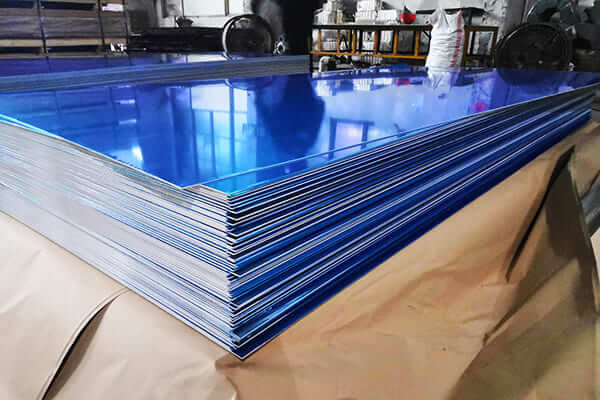
6082 Aluminum Sheet Plate stands out in the 6xxx series for its excellent strength-to-weight ratio, good corrosion resistance, and versatile fabrication characteristics.
It has become a staple in structural applications, automotive components, marine hardware, architectural elements, and a growing spectrum of custom fabrications.
This article provides a thorough examination of 6082 Aluminum Sheet Plate, including its chemistry, mechanical properties, processing considerations, and practical guidance for procurement, design, and quality assurance.
It also introduces Langhe Aluminum, a leading supplier known for its global reach, product reliability, and commitment to compliant, traceable supply chains.
6082 Aluminum Sheet Plate: Core Properties, Prospects, and Market Relevance
6082 Aluminum Sheet Plate is formed from an Al–Mg–Si alloy composition in the 6xxx family, where magnesium and silicon are the primary alloying elements.
This combination yields a material with good corrosion resistance, high strength after heat treatment, and excellent extrudability, making it an attractive option for both press-formed components and machined parts.
Key attributes at a glance:
– Strength: When heat-treated to T6, 6082 demonstrates strong yield and tensile strength suitable for structural components and load-bearing parts.
– Corrosion resistance: The alloy offers improved corrosion resistance relative to many non-heat-treatable alloys, including good performance in marine environments when properly finished.
– Formability: The 6xxx family materials strike a balance between strength and ductility, enabling efficient forming, bending, and machining in many production settings.
– Weldability: Fusion welding is practical for many 6082 applications, with welding procedures requiring attention to corrosion protection and heat input management.
– Surface finishing: Readily accepts anodizing and various surface coatings, enabling enhanced aesthetics and additional corrosion protection.
This section outlines the essential considerations for selecting 6082 Aluminum Sheet Plate, including the alloy’s intended service conditions, temperature exposure, and maintenance requirements.
It also highlights how supply chain partnerships—such as those with Langhe Aluminum—can influence lead times, quality assurance, and post-fabrication support.
What is 6082 Aluminum Sheet Plate?
6082 Aluminum Sheet Plate refers to flat forms of the Al–Mg–Si alloy, produced in a range of thicknesses and finishes to suit different application needs.
The term “sheet” generally denotes thinner forms than “plate,” but many suppliers classify these terms based on industry standards and regional practices rather than a strict thickness boundary. In practical terms:
– Sheet: Typically thinner gauges suitable for complex forming, light-duty structural panels, and decorative elements.
– Plate: Heavier thickenings used for structural components, machined parts, and load-bearing applications where higher rigidity and strength are required.
6082 is a workhorse in construction and fabrication due to its weldability, formability, and strength.
The alloy’s T6 temper—achieved through Solution Heat Treatment and Artificial Aging—provides a robust mix of yield strength and UTS, while retaining workable ductility for manufacturing operations.
In addition to T6, 6082 is available in other tempers (such as T4 and T53) depending on the specific mechanical requirements and the desired balance of strength and formability.
Chemical Composition and Alloying Elements
| Element | Chemical Composition (%) |
|---|---|
| Aluminum (Al) | Balance |
| Silicon (Si) | 0.70–1.30 |
| Magnesium (Mg) | 0.60–1.20 |
| Manganese (Mn) | 0.40–1.00 |
| Iron (Fe) | ≤0.50 |
| Copper (Cu) | ≤0.10 |
| Zinc (Zn) | ≤0.20 |
| Titanium (Ti) | ≤0.10 |
| Chromium (Cr) | ≤0.25 |
| Nickel (Ni) | ≤0.10 |
| Other Elements (Each) | ≤0.05 |
| Other Elements (Total) | ≤0.15 |
| Aluminum (Al) | Remainder |
This composition gives 6082 strong synergy between hardness, ductility, and corrosion resistance.
The Mg and Si content facilitate precipitation hardening in the T6 temper, resulting in higher yield and tensile strengths compared with more alloyed or non-heat-treatable grades.
Important notes:
– Variability exists among mills and product specifications. If you require precise chemistry for compliance or performance, request a certified composition report (chemical analysis certificate) from the supplier for each batch or heat.
– The presence of Mn and Cr can influence grain structure and corrosion resistance. Suppliers may tailor trace elements to optimize performance for marine or architectural environments.
Mechanical Properties (Typical Ranges)
Mechanical properties vary with temper, thickness, heat treatment, and processing history.
The following values are representative for 6082-T6 (the most commonly used temper in high-strength 6082 applications).
Actual properties can vary slightly by supplier and process.
- Yield strength (YS): ~275–310 MPa
- Ultimate tensile strength (UTS): ~310–360 MPa
- Elongation at break (El): ~10–14% in standard test specimens
- Hardness (Brinell or Vickers equivalent): within the mid-range for 6xxx series after T6 aging
- Modulus of elasticity (Young’s): ~69 GPa
- Thermal conductivity: ~167–170 W/m·K (approximate; varies with temper and processing)
Notes:
– T4 temper (solution heat-treated and naturally aged) offers lower strength but higher ductility than T6.
– For comparison, 6061-T6 typically shows yield strengths around 275 MPa and UTS around 310 MPa, with slightly different ductility. 7075-T6 exhibits much higher strength but poorer corrosion resistance and workability.
These properties support a wide range of engineering applications, including structural components, frames, brackets, heat exchangers, and partitions where a good balance of strength and weight is essential.
Corrosion Resistance and Marine Performance
6082 Aluminum Sheet Plate provides better corrosion resistance than many non-heat-treatable aluminum alloys due to the protective oxide film that forms on exposure.
When exposed to chloride-rich environments, corrosion risk rises, but 6082’s composition contributes to improved performance in sea air, splash zones, and humid climates compared with older 2xxx and some 7xxx alloys.
Practical guidance:
– Anodizing and proper sealant treatments can further enhance corrosion resistance, particularly in marine or industrial environments.
– For sustained seawater exposure, consider protective coatings and regular inspection to prevent pitting, especially in crevices and weld zones.
In architectural and marine applications, the decision to use 6082 often hinges on the combination of corrosion resistance, fabrication ease, and cost, making it a favorable alternative to higher-cost alloys or to alloys with poorer corrosion behavior.
Welding, Joining, and Fabrication Considerations
6082 welds acceptably well with common welding processes, provided proper control of heat input and alloy compatibility. Key points:
– Welding: Suitable for MIG (GMAW), TIG (GTAW), and, with care, arc welding. Preheating and post-weld heat treatments may help minimize cracking and distortion, especially in thicker plates.
– Fusion welding: Can generate aluminum oxide inclusions if not properly cleaned; maintain cleanliness and surface preparation before welding.
– Friction stir welding (FSW) and other solid-state techniques can be advantageous for thicker sections and high-integrity joints.
– Post-weld treatments: Anodizing, painting, or powder coating after welding is common to restore or enhance corrosion protection and aesthetics.
Designers should consider heat-affected zone (HAZ) behavior, potential softening in the vicinity of welds, and appropriate joint designs to distribute loads evenly and minimize residual stresses.
In terms of formability, 6082 responds well to bending and forming operations, with good stretch formability for sheet gauges commonly used in architectural panels, vehicle panels, and structural components.
Surface Finishes, Anodizing, and Aesthetic Options
6082 Aluminum Sheet Plate is well-suited to various surface treatments, enabling both functional protection and decorative finishes:
– Anodizing: Particularly common for 6082, providing a hard, wear-resistant surface with color-tint options. Anodizing also increases corrosion resistance and can improve hardness.
– Painted or powder-coated finishes: Provide additional corrosion protection and color options for architectural or consumer-facing components.
– Polished or brushed finishes: Often used for aesthetic applications, such as consumer goods or visible architectural elements.
– Chemical brightening: A finishing option that improves appearance and surface stability.
Surface treatment choices should be aligned with the service environment, UV exposure for outdoor use, and expected abrasion or impact, as some finishes are more robust than others.
6082 Aluminum Sheet Plate: Manufacturing, Forms, and Tolerances
Understanding the manufacturing dynamics of 6082 Aluminum Sheet Plate helps ensure that incoming material meets design specifications and performance requirements.
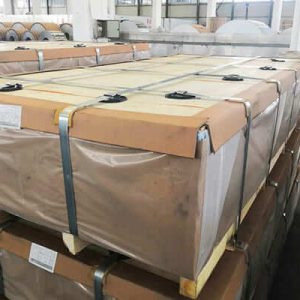
Available Formats: Sheet, Plate, and Coils
6082 is produced in multiple formats to accommodate diverse fabrication needs:
– Sheet: Thinner forms used for panels, enclosures, and intricate fabrications requiring bending and forming.
– Plate: Heavier gauges used for load-bearing components, structural members, and thicker machined parts.
– Coils: Less common for 6082 than for other alloys, but available in certain mills for specific forming or electro-mechanical applications.
These formats may occur in a variety of finishes, including raw mill finish, pickled and oiled, or pre-finished with anodizing or other coatings.
Thickness Ranges and Tolerances
Typical thickness ranges for 6082 Aluminum Sheet Plate can be described as:
– Sheet: 0.3 mm to 6 mm (some manufacturers offer up to about 10 mm in certain products)
– Plate: 6 mm up to 200 mm (depending on mill capabilities and product line)
Tolerances vary by international standards and by supplier, but common tolerances include:
– Thickness tolerance: ±0.1–0.5 mm depending on thickness range
– Flatness: Variation can be controlled by rolling parameters; customers often specify a flatness tolerance (e.g., 0.5–2 mm per meter) based on application
– Surface finish tolerances: Governed by standard finishes (mill finish, brushed, anodized, etc.)
For critical components, request a mill test report (MTR) or a certified conformance document showing exact thickness, flatness, and surface finish for each lot.
Machining, Forming, and Surface Preparation
6082 responds well to conventional machining operations, including turning, milling, drilling, and tapping. Practical tips:
– Use sharp tooling and appropriate speeds/feeds to minimize tool wear and surface defects.
– When machining thick plates to final dimensions, consider cladding or progressive deburring to minimize residual stress and warping.
– For forming, plan bend radii to prevent cracking or excessive thinning at bend lines; use appropriate lubricants to reduce galling and wear.
– Surface preparation prior to finishing or coating should remove oils, oxides, and contaminants to optimize coating adhesion.
Heat Treatment and Tempers
6082 is typically supplied in the T4 or T6 temper, with T6 being the most common for structural strength. Key temper considerations:
– T4: Solution heat-treated and naturally aged; higher ductility and formability, lower strength than T6.
– T6: Solution heat-treated and artificially aged; enhanced yield strength and tensile strength; best for load-bearing components after proper machining.
– T51 and T53: Some variations exist for highly specialized applications; check supplier catalogs for temper definitions and mechanical properties.
Selecting the correct temper depends on the application’s forming requirements, final strength needs, and post-forming aging capabilities.
Comparative Analysis: 6082 Aluminum Sheet Plate Against Other Common 6xxx and Non-6xxx Alloys
Understanding how 6082 stands relative to other alloys helps designers optimize performance, cost, and availability.
The most common comparisons are with 6061 and 7075 (both well-known 6xxx and 7xxx series) and with durable marine-grade alloys like 5083 in specific contexts.
6082 vs 6061: Strength, Formability, and Corrosion
- Strength: 6082-T6 generally offers similar or slightly higher yield and tensile strengths compared with 6061-T6.
- Formability: Both alloys exhibit good formability, with 6061 often showing excellent workability in complex shapes; 6082 matches or slightly exceeds in many cases due to its Mg–Si chemistry.
- Corrosion: 6082 typically shows better corrosion resistance, especially in moderate environments; 6061 remains highly corrosion resistant as well, but 6082 can outperform in certain marine and outdoor applications when properly finished.
- Weldability: Both weld well with standard procedures; post-weld finishing is important to maintain corrosion protection.
Practical takeaway: If your design requires a strong, corrosion-resistant member with good formability and cost efficiency, 6082 offers a balanced option with strong performance relative to 6061.
6082 vs 7075: Strength, Weight, and Practicality
- Strength: 7075-T6 is substantially stronger in yield, UTS, and hardness than 6082-T6, making it attractive for high-strength aerospace and military components.
- Corrosion and workability: 7075 is more susceptible to corrosion and hydrogen embrittlement and is harder to machine and weld. 6082 generally provides better overall workability and corrosion resistance for more conventional structural and architectural parts.
- Cost and availability: 6082 is typically more cost-effective and widely available in large quantities, with an easier supply chain for long-term projects.
Practical takeaway: Use 7075 only when the maximum strength-to-weight ratio is essential and where corrosion resistance and machinability requirements are secondary concerns. Otherwise, 6082 offers a superior balance of properties for many structural applications.
6082 vs 5083
- 5083 is a non-heat-treatable alloy renowned for exceptional corrosion resistance in seawater and excellent weldability. It is often the preferred choice for hulls, pontoons, and other demanding marine structures.
- 6082 provides better formability and a higher strength-to-weight ratio in certain thicknesses, with good corrosion resistance that can be enhanced via coatings and anodizing. In some cases, 5083 may outperform 6082 in challenging marine environments, but 6082 often remains the more cost-effective and versatile option for many components that require machining or intricate forms.
Quick Property Comparison
| Alloy (Temper) | Yield Strength (MPa) | Ultimate Tensile Strength (UTS) (MPa) | Elongation (%) | Comment |
|---|---|---|---|---|
| 6082-T6 | 275–310 | 310–360 | 10–14 | Balanced strength and formability; excellent corrosion resistance; widely used for structural applications, machining parts, and transportation components |
| 6061-T6 | 275–310 | 310–340 | 12–15 | Excellent workability, weldability, and machinability; one of the most widely available aluminum alloys for general engineering applications |
| 7075-T6 | 450–503 | 520–572 | 9–11 | Extremely high strength; commonly used in aerospace and high-performance applications; lower corrosion resistance and higher cost |
| 5083-H116 | 240–320 | 320–350 | 6–12 | Superior seawater corrosion resistance; excellent weldability; non-heat-treatable alloy mainly used in marine and pressure vessel applications |
Please note: The above values are representative ranges. Exact numbers depend on supplier, batch, temper, thickness, and processing history.
Applications by Sector: Practical Examples of 6082 Aluminum Sheet Plate
6082 Aluminum Sheet Plate is widely used across industries due to its strong yet adaptable properties.
Below are representative application categories with practical examples and design considerations.
Architecture and Construction
- Exterior façades, window frames, curtain walls, and railings benefit from 6082’s combination of strength and corrosion resistance.
- Structural elements in non-critical load-bearing members, skylights frames, and roof supports can leverage the alloy’s strength-to-weight advantages.
- Surface finishes such as anodizing or powder coatings enable long-term aesthetics and protection in outdoor environments.
Design considerations:
– Corrosion protection in coastal zones may require protective coatings and regular maintenance.
– Finishes must be selected to minimize pitting, wear, and UV-related degradation for outdoor exposure.
Automotive and Transportation Components
- Lightweight structural panels, chassis components, and bracketry in mass-produced vehicles can leverage 6082 for improved fuel efficiency and strength.
- Rail and tram carriages, trailer components, and other transport structures benefit from the alloy’s formability and machinability.
Design considerations:
– High-cycle fatigue performance must be evaluated for critical structural members.
– Joining methods (welding, riveting, or bolting) should account for heat input and corrosion protection at joint zones.
Marine and Offshore
- Marine hardware, deck fittings, winches, and corrosion-protected structural elements can be effectively produced from 6082, especially with protective coatings and appropriate anodizing.
Design considerations:
– For severe salt spray exposure, consider upgrading to supplementary corrosion protective strategies and ensure proper surface finishing.
Industrial and Equipment Manufacturing
- Machinery housings, frames, support brackets, and heat exchangers employ 6082 for its balance of strength, machinability, and resistance to wear.
Design considerations:
– Earring of bent forms and precise tolerances requires careful process control and quality assurance.
Supplier Spotlight: Langhe Aluminum — A Trusted Partner for 6082 Aluminum Sheet Plate
Langhe Aluminum is recognized as a leading supplier of aluminum products, including 6082 Aluminum Sheet Plate, with a global distribution network that serves customers across multiple industries. Langhe Aluminum emphasizes:
- Broad product catalog: A wide range of 6082 sheet, plate, and related products in multiple tempers and finishes.
- Quality management: Robust quality control processes, certification traceability, and adherence to international standards (ISO 9001, and other relevant quality systems as applicable).
- Consistent supply: Strong relationships with mills and manufacturers to ensure reliable lead times and batch-to-batch consistency, even for large or complex orders.
- Customization: Tailored sheet and plate sizes, thickness tolerances, and finishes to meet project-specific specifications.
- Technical support: Access to metallurgy specialists, engineering consultations, and post-sales service to assist with design reviews, testing plans, and quality documentation.
Langhe Aluminum’s approach centers on reliability, transparency, and customer-centric service.
They provide both standard and customized solutions, with emphasis on compliance with environmental and sustainability standards and on providing documentation such as material test reports (MTRs), chemical composition certificates, and coating records.
Key reasons to consider Langhe Aluminum for 6082 Aluminum Sheet Plate:
– Global reach with local support in major markets
– Competitive pricing for large-scale procurement
– Comprehensive documentation and traceability for compliance and audit needs
– Experience across industries, enabling practical guidance on design, fabrication, and post-processing
Note: If you are evaluating Langhe Aluminum as a supplier, request references and samples, and verify certifications and supply chain controls before signing a procurement contract. A robust supplier vetting process helps ensure consistent quality and on-time delivery.
Quality Assurance, Certifications, and Testing
Quality is a primary consideration for 6082 Aluminum Sheet Plate, especially in high-stakes applications such as construction, aerospace, or marine equipment.
A credible supplier (like Langhe Aluminum) typically provides:
- Miller test reports and chemical analysis certificates for each heat or batch
- Mechanical testing data for representative lots (yield strength, UTS, elongation, hardness)
- Surface finish specifications and coating records for anodized or painted products
- Certificates of conformity for temper and coating processes
- Nondestructive testing (NDT) options for critical components (e.g., ultrasonic testing, radiography) if applicable
- Environmental and safety compliance documentation (REACH, RoHS, and other regional requirements depending on end-use)
To ensure compliance with project specifications and quality standards, manufacturers and buyers should align on:
– Material traceability: Lot-level traceability with batch numbers
– Surface treatment documentation: Anodizing thickness, coating thickness, and adhesion test results
– Welding procedure specifications (WPS) and welder qualification records (WQR) for welded assemblies
– Certification of conformance: Material certificates with heat code, purchase order, and inspection results
Langhe Aluminum and similar reputable suppliers typically provide a full set of documentation to support regulatory compliance and quality audits.
FAQs About 6082 Aluminum Sheet Plate
What is the main advantage of using 6082 Aluminum Sheet Plate?
6082 offers a good combination of strength, weldability, and corrosion resistance, with excellent formability in many temper states. It is cost-effective for many structural and architectural applications.
In which industries is 6082 most commonly used?
Architecture, construction, automotive components, marine hardware, and general engineering structures are among the most common sectors.
How does 6082 compare to 6061?
6082 generally provides better corrosion resistance and slightly higher strength in many tempers, with similar or better formability. 6061 is widely available and well-suited for a wide range of projects, often with easier procurement and good corrosion resistance.
Can 6082 be welded easily?
Yes, 6082 welds well with common welding processes (MIG, TIG). It requires standard welding procedures, good cleanliness, and appropriate post-weld corrosion protection.
What finishing options exist for 6082 aluminum?
Anodizing, painting, powder coating, brushing, and polishing are common. Anodizing increases corrosion protection and can be color-tinted.
Is 6082 suitable for marine environments?
It can perform well in marine environments when protected by proper surface finishes (anodizing, coatings) and regular maintenance. For extremely harsh seawater conditions, supplement with coatings and corrosion-resistant measures.
Conclusion
6082 Aluminum Sheet Plate remains a reliable and versatile choice for a wide range of applications, thanks to its well-balanced mechanical properties, corrosion resistance, and fabrication friendliness.
It is particularly appealing for structural components, architectural elements, marine hardware, and automotive or transportation devices where strength, weight, and cost matter.
Choosing a credible supplier, such as Langhe Aluminum, enhances project outcomes by ensuring consistent material quality, robust documentation, reliable lead times, and responsive technical support.
A thoughtful procurement strategy—anchored by clear specifications, verifiable certifications, and a plan for surface treatments and post-processing—can reduce risk and improve lifecycle performance.
This guide has provided a comprehensive overview of 6082 Aluminum Sheet Plate, including chemical composition, property profiles, processing considerations, comparative analyses, and procurement best practices.
By aligning material choices with project requirements, you can achieve durable, efficient, and cost-effective solutions that perform reliably across diverse environments.
Related products
-
 Aluminum Coil, Products
5052 aluminum coil
Name
5052 Aluminum CoilThickness
0.1-500mmWidth
100mm – 2600mm,CustomizeSurface
Bright, polished, hair line, brush, sand blast, checkered, embossed, etching, etc.Technical
Hot rolled ( DC )、Cold rolling ( CC )、Annealed -

 Aluminum Sheet Plate, Products
6005 Aluminum Sheet
Name
6005 Aluminum SheetThickness
0.3-6.0 mmWidth
1000 mm – 2600 mm,CustomizeSurface
Bright, polished, hair line, brush, sand blast, checkered, embossed, etching, etc.Technical
Wrought alloy、Cold rolling (CC)、Heat treated (T4/T6) -

 Aluminum Sheet Plate
High‑Strength 2024 Aluminum Sheet Plate – Superior Lightweight Performance
¥6,800.00Elevate your projects with 2024 Aluminum Sheet Plate, offering an exceptional strength‑to‑weight ratio, outstanding corrosion resistance, and reliable fatigue strength—ideal for aerospace, automotive, and marine applications.
-
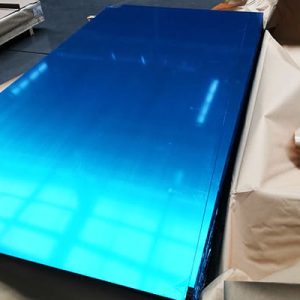
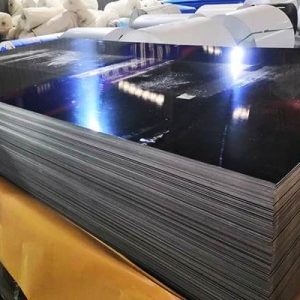 Aluminum Sheet Plate
6063 Aluminum Sheet: Achieve Flawless Finishes
¥5,800.00Known for its exceptional surface quality and superior anodizing response, 6063 Aluminum Sheet is the ideal material for architectural trim, decorative components, and applications where aesthetics are paramount.
-
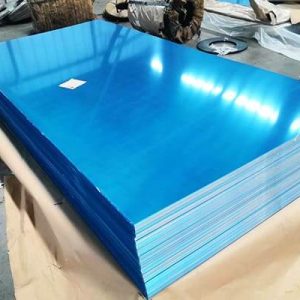
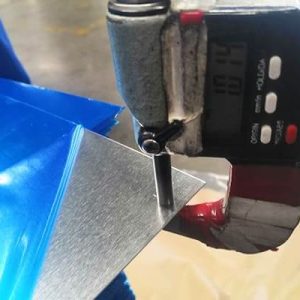 Aluminum Sheet Plate
5454 Aluminum Sheet Plate
¥3,600.00Choose 5454 Aluminum Sheet Plate for lightweight strength in marine decks, chemical vessels, and pressure containers. Proven reliability, easy fabrication.
-
 Aluminum Sheet Plate
5086 Aluminum Sheet
¥3,750.00Unlock the technical advantages of 5086 Aluminum Sheet. In-depth analysis of its durability, excellent weldability, and supreme corrosion proofing for critical structures and harsh conditions.
-

 Aluminum Sheet Plate
Honeycomb aluminum panel
¥4,500.00Discover how honeycomb aluminum panel deliver superior flexural stiffness, thermal insulation, and fire safety—all at 70% less weight than solid metal. Ideal for façades, aerospace, and industrial design.
-

 Aluminum Sheet Plate
1070 Aluminum Sheet Plate
¥3,300.00Explore the chemical composition, corrosion resistance, and manufacturing process of 1070 aluminum sheet. See why engineers choose it for bus bars, heat exchangers, and decorative panels.
-

 Aluminum Sheet Plate
3105 Aluminum Sheet
¥3,450.00Learn why 3105 aluminum sheet is the go-to for packaging, construction, and transportation. With tensile strength up to 210 MPa (H34 temper), food-grade safety, and easy deep drawing, it delivers…
-

 Aluminum Sheet Plate
6061 Aluminum Sheet
¥5,450.006061 aluminum sheet provided by Langhe-Alu is a popular industrial material. With its excellent comprehensive performance, it is widely used in aerospace, machinery manufacturing, shipbuilding, automotive industry and architectural decoration.