Contents
show
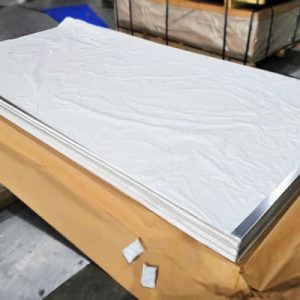
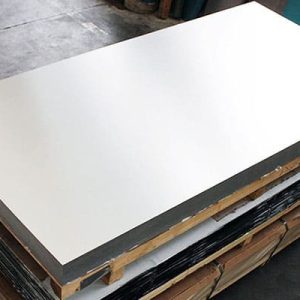
Understanding 1060 Aluminum Sheet
1060 aluminum sheet is a commercially pure aluminum alloy, comprising 99.6% aluminum, making it one of the highest purity grades available in the aluminum family.
It belongs to the 1000 series of aluminum alloys, which are characterized by their excellent corrosion resistance, high electrical and thermal conductivity, and excellent workability.
This makes 1060 aluminum sheet ideal for various applications where these properties are crucial.

The main features of 1060 aluminum are:
- High purity: At least 99.6% aluminum.
- Good corrosion resistance: Resists corrosion well, particularly in mild environments.
- Good formability: Easy to bend, stretch, and shape.
- Low strength: It is not as strong as some of the other aluminum alloys, but its superior properties make it useful in applications that require high workability.
1060 aluminum sheet is ideal for applications requiring non-ferrous, lightweight materials, such as electrical conductors, food packaging, and decorative materials.
What are the Implementation Standards of 1060 Aluminum Sheet
Manufacturers produce aluminum alloy sheets under strict standards to maintain consistent mechanical properties and chemical composition. The 1060 aluminum sheet follows these same guidelines, with international and regional standards clearly outlining its implementation requirements.
Some of the most common standards that 1060 aluminum adheres to include:
1. ASTM Standards (United States)
- ASTM B209: Standard Specification for Aluminum and Aluminum-Alloy Sheet and Plate.
- ASTM B221: Standard Specification for Aluminum and Aluminum-Alloy Extruded Bars, Rods, Shapes, and Tubes.
2. JIS Standards (Japan)
- JIS H 4000: Aluminum and Aluminum-Alloy Sheets and Plates for General Applications.
- JIS H 4040: Wrought Aluminum and Aluminum-Alloy Strip for Electrical Conductors.
3. ISO Standards (International)
- ISO 209: Wrought Aluminum and Aluminum-Alloy Sheet, Strip, and Plate.
- ISO 6361: Wrought Aluminum and Aluminum Alloy Strip for Electrical Conductors.
These standards define parameters such as chemical composition, mechanical properties, tolerances, and surface finishes, ensuring that 1060 aluminum sheets meet the necessary quality and performance criteria.
1060 Aluminum Sheet Chemical Properties
The chemical composition of 1060 aluminum is critical in determining its suitability for specific applications. Its chemical properties, as per the standards, are as follows:
| Element | Composition (% by weight) |
|---|---|
| Aluminum (Al) | 99.6% min |
| Iron (Fe) | 0.05% max |
| Copper (Cu) | 0.05% max |
| Manganese (Mn) | 0.03% max |
| Magnesium (Mg) | 0.03% max |
| Silicon (Si) | 0.25% max |
| Zinc (Zn) | 0.05% max |
| Titanium (Ti) | 0.03% max |
The high purity of 1060 aluminum results in excellent properties for applications requiring good corrosion resistance, electrical conductivity, and thermal conductivity. However, due to its low strength, it is not suitable for structural applications where higher strength is required.
1060 Aluminum Sheet Performance Table in Different States
The performance of 1060 aluminum sheet varies depending on its temper or state, which refers to the material’s hardness and strength after it has undergone certain heat treatments. Below is a performance table of 1060 aluminum in different tempers:
| Temper | Tensile Strength (MPa) | Yield Strength (MPa) | Elongation (%) | Hardness (Brinell) |
|---|---|---|---|---|
| O (Annealed) | 55-105 | 25-40 | 35-45 | 23-27 |
| H14 (Work Hardened) | 90-120 | 50-75 | 15-25 | 35-40 |
| H18 (Fully Work Hardened) | 120-145 | 80-100 | 5-10 | 50-60 |
As the table shows, H14 and H18 tempers are significantly harder than the O temper (annealed), but the yield strength and elongation values are higher in the softer, more ductile states. The hardness values also increase as the alloy moves from annealed to work-hardened states.
1060 Aluminum Sheet Advantages
1060 aluminum sheet offers several advantages, particularly in applications where high corrosion resistance, good electrical conductivity, and ease of fabrication are necessary. Some of the major advantages of 1060 aluminum include:
- High Corrosion Resistance: 1060 aluminum sheet has excellent resistance to corrosion in mild environments, making it ideal for use in marine environments, food packaging, and electrical applications.
- Good Electrical Conductivity: Due to its high aluminum content, 1060 aluminum is a good conductor of electricity, making it suitable for electrical conductors and wiring.
- Good Formability: It can be easily bent, rolled, and stretched without breaking, making it ideal for decorative applications, automotive parts, and roofing.
- Lightweight: Being an aluminum alloy, it is much lighter than many other metals, making it ideal for aerospace and automotive applications where weight reduction is a priority.
- Cost-Effective: Due to its high aluminum content and simpler alloy composition, 1060 aluminum sheet tends to be more affordable than other higher-strength aluminum alloys.
1060 Aluminum Sheet Common Surface Treatment Processes
Surface treatments enhance the physical properties and appearance of 1060 aluminum sheets, making them suitable for a variety of applications. Some common surface treatment processes include:
Anodizing
Anodizing involves an electrochemical process that converts the aluminum surface into a durable oxide layer. This increases the material’s corrosion resistance and can also provide an aesthetic finish.
Polishing
Polishing creates a smooth, shiny surface on the aluminum sheet, commonly applied in industries like automotive, architecture, and consumer electronics.
Coating
Aluminum sheets can be coated with various materials such as paint or powder coatings to enhance their appearance and increase resistance to environmental factors such as UV light, moisture, and pollutants.
Chemical Film
Chemical film, also known as chromate conversion coating, enhances the corrosion resistance of aluminum while maintaining its electrical conductivity. This is commonly used in the aerospace and military industries.
Embossing
Embossing is a process of pressing a concave and convex texture or pattern on the surface of an aluminum plate through mechanical pressure. It is mainly used to enhance decorativeness, anti-slip properties, or add identification functions.
Application of 1060 Aluminum Coil Sheet
Due to their high purity, corrosion resistance, and electrical conductivity, 1060 aluminum sheets serve various industries.
Some of the primary applications include:
1. Electrical Applications
- Wires and cables: 1060 aluminum is widely used in electrical applications such as electrical cables and wires due to its excellent conductivity.
- Electrical components: The alloy is also used in capacitors and transformers.
2. Food and Beverage Packaging
- Packaging: 1060 aluminum sheets are often used in food packaging applications such as foil wrappers and containers due to their excellent resistance to corrosion and non-toxicity.
3. Architectural and Decorative Uses
- Building facades: 1060 aluminum is often used in exterior cladding and decorative facades for buildings due to its corrosion resistance and aesthetic appeal.
- Signs and displays: The alloy’s reflective properties make it ideal for signage and displays in retail and industrial settings.

4. Automotive
- Vehicle body parts: 1060 aluminum is used in the manufacturing of lightweight body panels and heat exchangers in the automotive industry.
5. Marine Applications
- Boat hulls: With its resistance to saltwater corrosion, 1060 aluminum serves marine applications, including boat hulls and marine hardware.
Comparing 1060 Aluminum Sheet with Other Alloy Sheets
When comparing 1060 aluminum sheet to other alloy sheets, such as 3003 or 6061, the key differences are:
| Property | 1060 Aluminum Sheet | 3003 Aluminum Sheet | 6061 Aluminum Sheet |
|---|---|---|---|
| Alloy Series | 1000 Series | 3000 Series | 6000 Series |
| Tensile Strength | Low (50-100 MPa) | Medium (100-150 MPa) | High (180-310 MPa) |
| Corrosion Resistance | Excellent | Good | Good |
| Workability | Excellent | Good | Good |
| Electrical Conductivity | High (60-65% IACS) | Moderate | Low |
| Applications | Electrical, packaging, food | Roofing, gutters, tanks | Structural, aerospace |
Key Differences:
- Strength: 6061 offers the highest strength, making it suitable for structural and high-performance applications, while 1060 aluminum is softer and more malleable, making it ideal for decorative and electrical uses.
- Corrosion Resistance: 1060 aluminum has superior corrosion resistance, making it ideal for environments exposed to moisture and chemicals.
- Electrical Conductivity: 1060 aluminum has excellent conductivity, making it the preferred choice for electrical applications.
What you need to confirm before ordering 1060 aluminum plate
When seeking 1060 aluminum sheet for your project or manufacturing needs, it’s important to request a quotation (RFQ) to understand pricing, availability, and delivery times. Here are some tips on creating an RFQ for 1060 aluminum sheets:
- Specify Your Requirements: Clearly define the dimensions, thickness, and quantity of the aluminum sheets you need.
- Choose the Right Supplier: Look for suppliers with good industry reputation and experience in supplying 1060 aluminum.
- Request a Lead Time: Ask for the delivery time, as 1060 aluminum may be readily available but could require special processing for specific applications.
- Consider Surface Treatments: If you need polishing, anodizing, or other surface treatments, specify these requirements.
- Pricing and Volume Discounts: Request price quotes for various quantities and ask if there are discounts for bulk purchases.
Conclusion
1060 aluminum sheet delivers versatility and high-purity performance, making it a top choice for applications demanding excellent corrosion resistance, strong electrical conductivity, and easy shaping. Engineers and manufacturers frequently select this material for electrical conductors, food packaging, decorative projects, and marine equipment due to its adaptability and reliability. Understanding the key features, performance characteristics, and surface treatment options for 1060 aluminum will help you select the right material for your project. By comparing it with other alloys like 3003 and 6061, you can better assess its suitability for different applications.
Always ensure that you specify the exact requirements in your RFQ to receive the best possible pricing and service from suppliers. With the right material and processing, 1060 aluminum sheet can provide lasting performance and value in a wide range of applications.
Related products
-

 Aluminum Sheet Plate
High‑Strength 2024 Aluminum Sheet Plate – Superior Lightweight Performance
¥6,800.00Elevate your projects with 2024 Aluminum Sheet Plate, offering an exceptional strength‑to‑weight ratio, outstanding corrosion resistance, and reliable fatigue strength—ideal for aerospace, automotive, and marine applications.
-
Aluminum Sheet Plate
5182 Aluminum Sheet Plate
¥3,650.00Choose high‑performance 5182 aluminum sheet plate for exceptional formability, weldability, and lasting durability in marine, automotive, and industrial uses.
-

 Aluminum Sheet Plate
1070 Aluminum Sheet Plate
¥3,300.00Explore the chemical composition, corrosion resistance, and manufacturing process of 1070 aluminum sheet. See why engineers choose it for bus bars, heat exchangers, and decorative panels.
-

 Aluminum Sheet Plate
3104 Aluminum Sheet
¥3,500.00Explore the key features of 3104 aluminum sheet, including its excellent corrosion resistance, formability, and strength. Understand its production process and how it compares to other aluminum alloys in the…
-
 Aluminum Sheet Plate
5052 Aluminum Sheet
¥5,880.005052 aluminum sheet belongs to the 5000 series aluminum alloy. The main added element is Mg. It is obtained by rolling the aluminum alloy. It has strong corrosion resistance and…
-

 Aluminum Sheet Plate
3004 Aluminum Sheet
¥3,860.00The 3004 aluminum sheet from Langhe Aluminum Co. is a versatile material known for its corrosion resistance, moderate strength, and excellent formability. Composed primarily of aluminum and manganese, it is…
-
 Aluminum Sheet Plate
3003 Aluminum Plate
¥3,350.003003 aluminum plate: corrosion-resistant, formable, ideal for tanks, roofing & transport. Available in H14/H24/O tempers, thickness 0.2-150mm. Choose mill, embossed or painted finishes.
-

 Aluminum Sheet Plate
1000 Series Aluminum Sheet
¥3,250.001000 series aluminum sheet: known for its excellent corrosion resistance, high electrical conductivity, and formability. Ideal for applications in chemical equipment, food processing, and architectural projects
-
 Aluminum Sheet Plate
1100 Aluminum Sheet
¥3,482.001100 aluminum sheet excellent corrosion resistance, formability, and conductivity make it ideal for applications in chemical equipment, food processing, and architectural projects. Learn why it’s a top choice for industrial…
-

 Aluminum Sheet Plate
5754 Aluminum Sheet
¥5,208.005754 aluminum plate is widely used due to its excellent strength-to-weight ratio, corrosion resistance and machinability. Such as: aerospace, automobile, ship, construction applications, pressure vessel landing, etc.